Last updated November 17, 2026
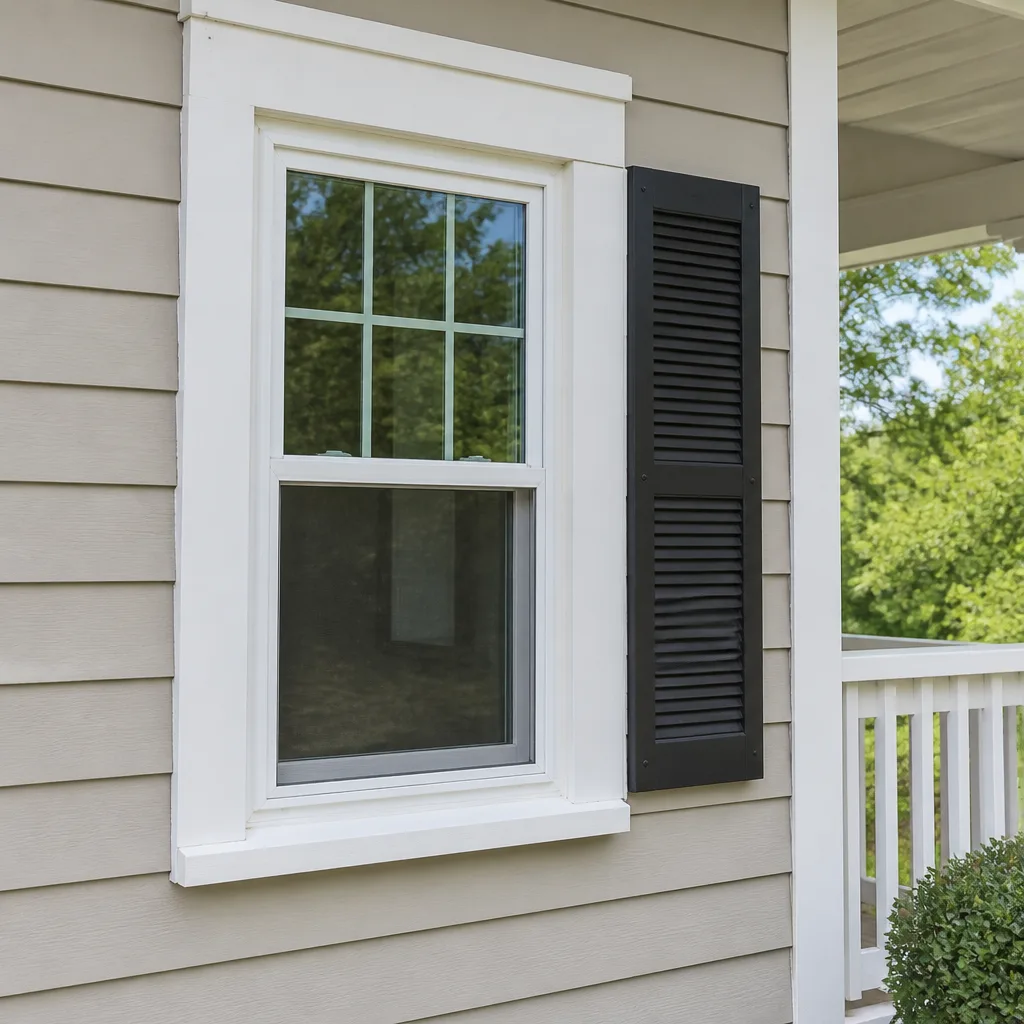 Single hung
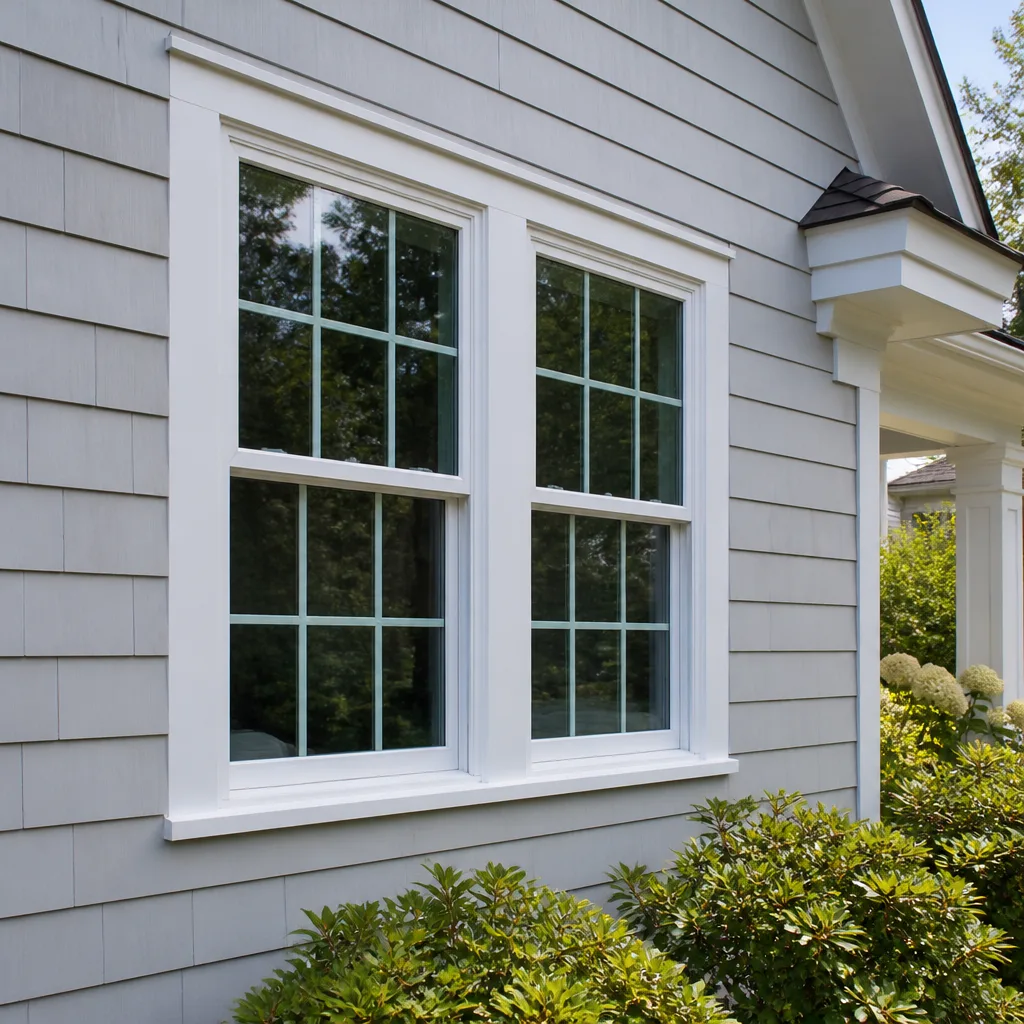 Double hung
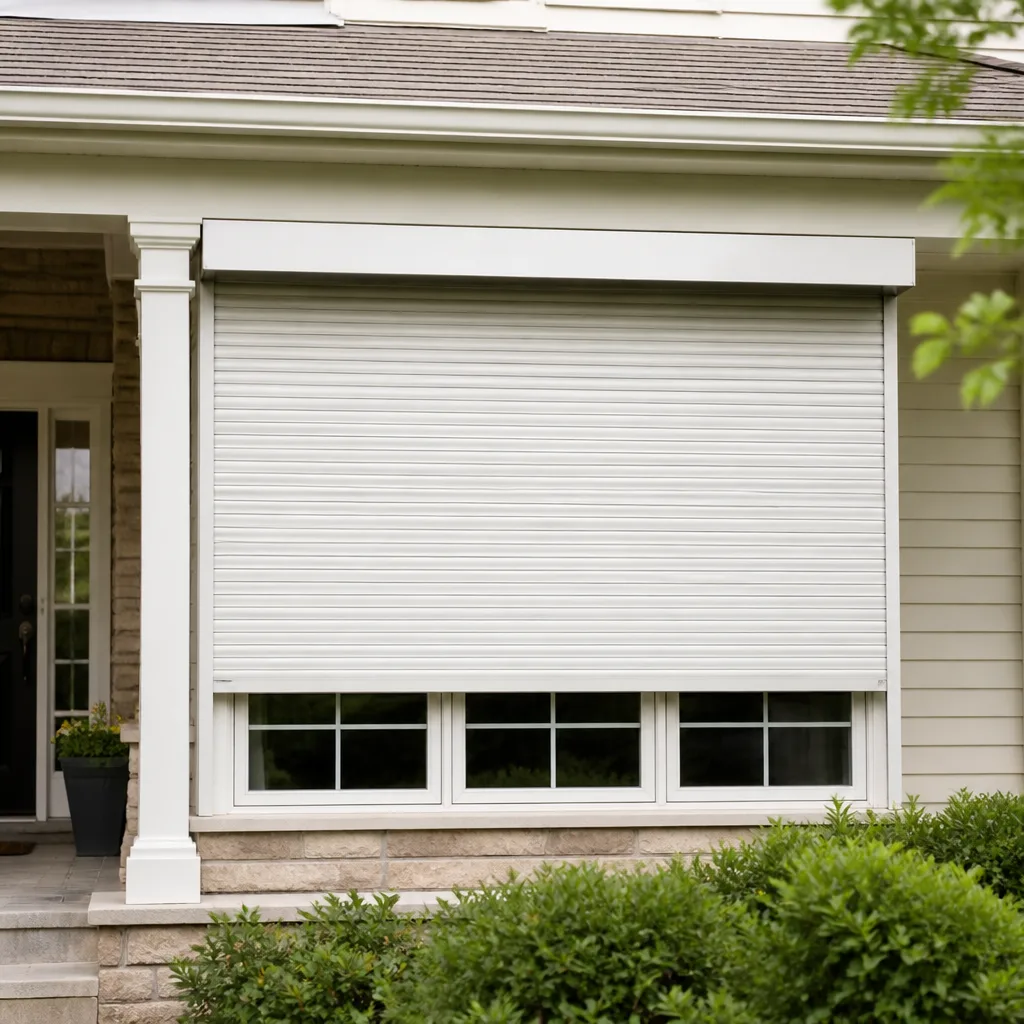 Horizontal roller
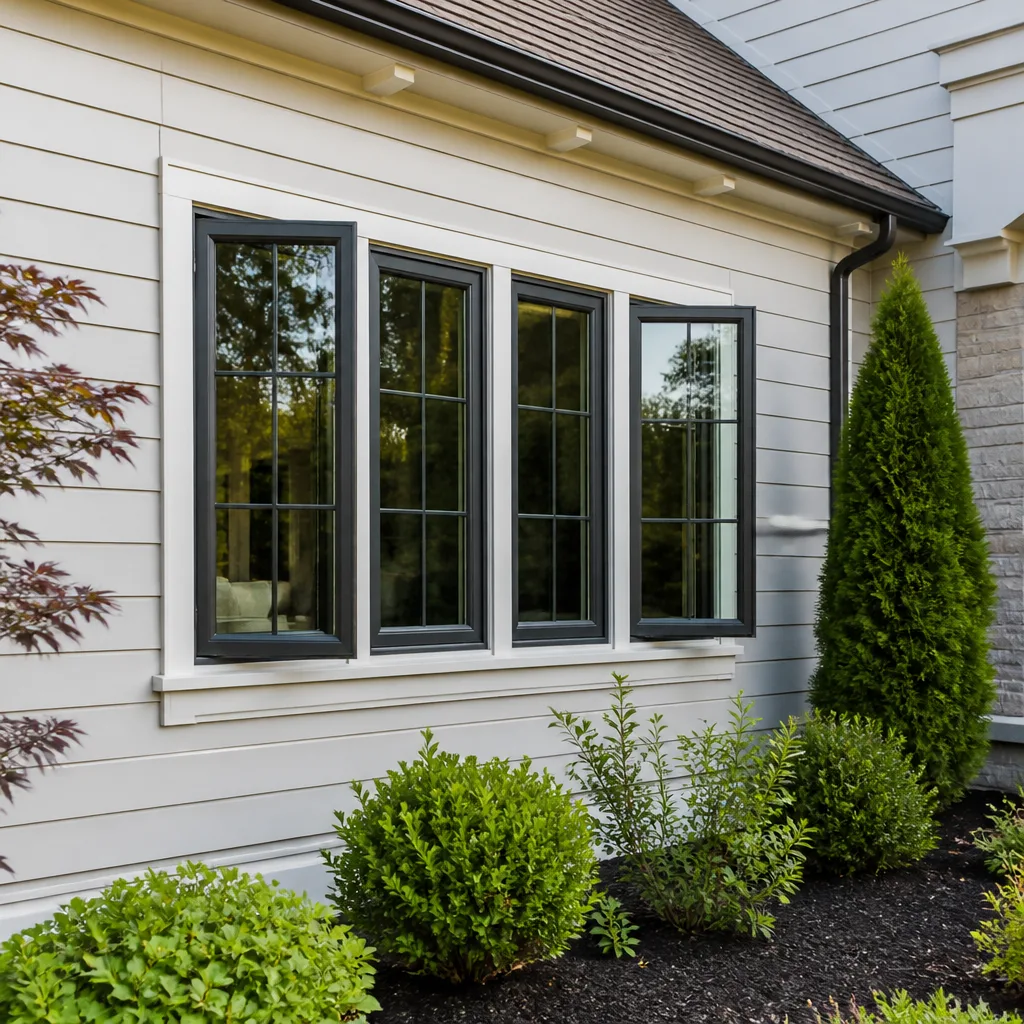 Casement
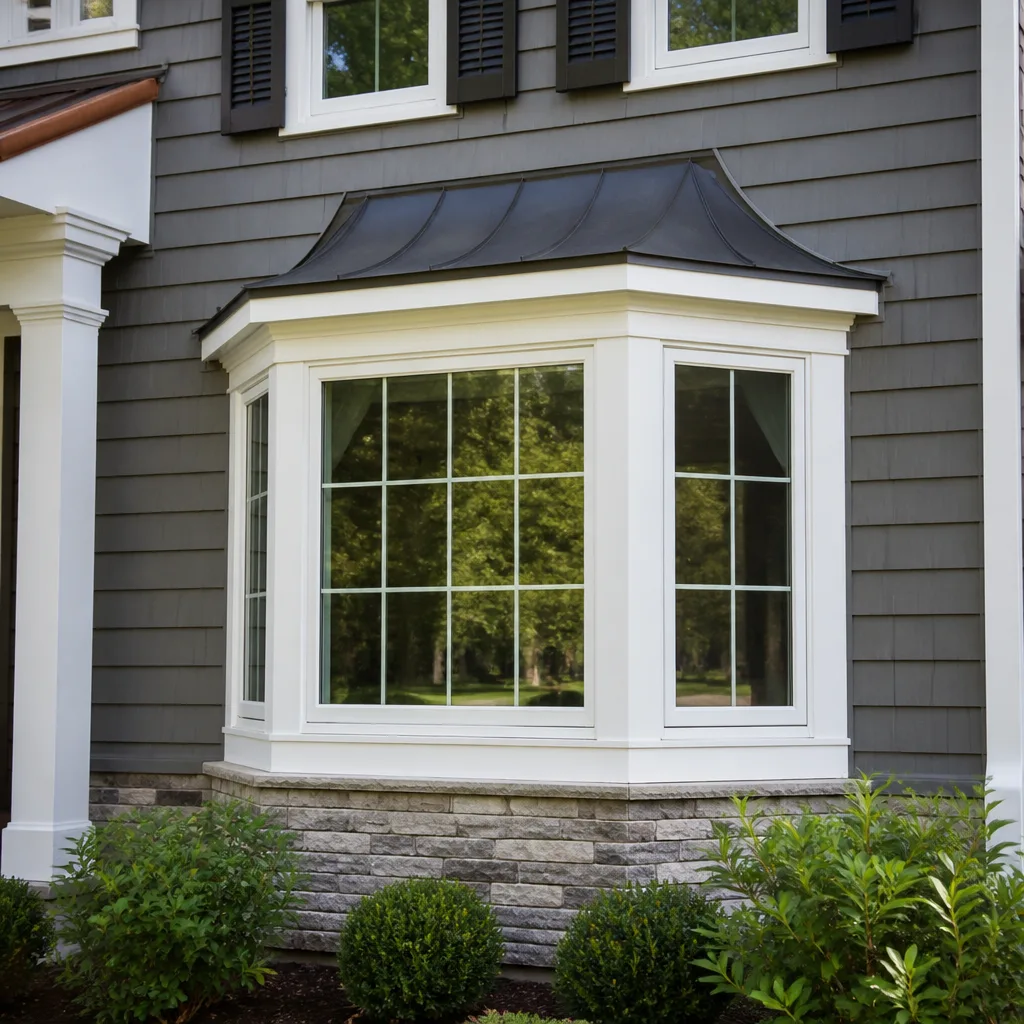 Bay & bow
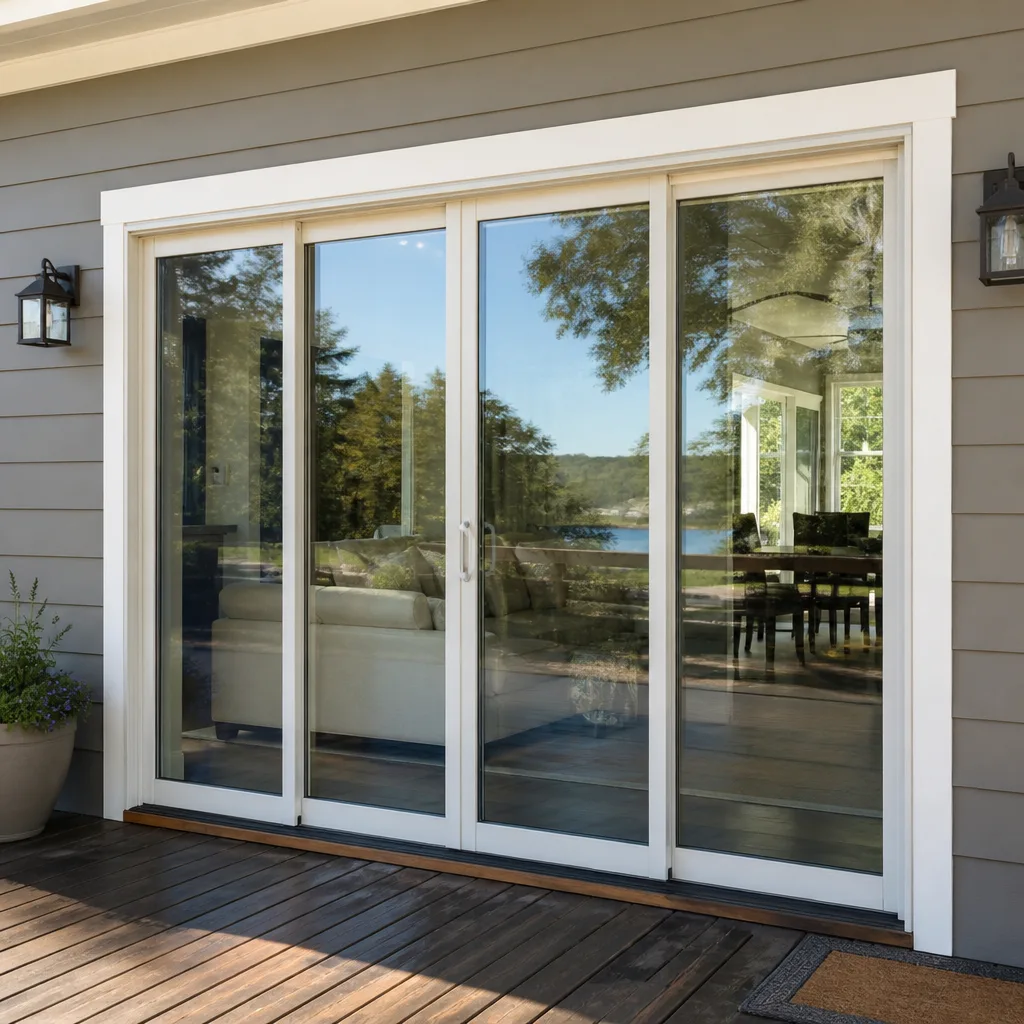 Sliding glass doors
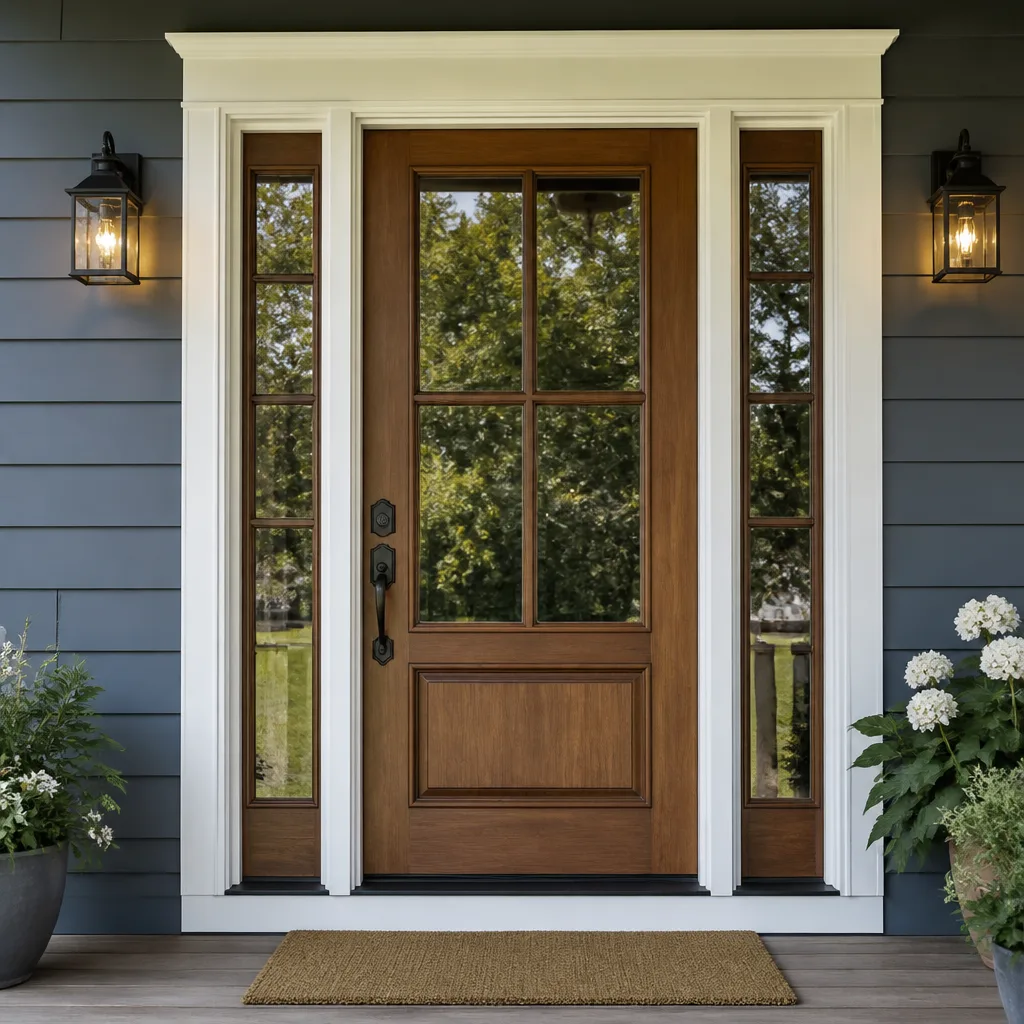 Entry doors
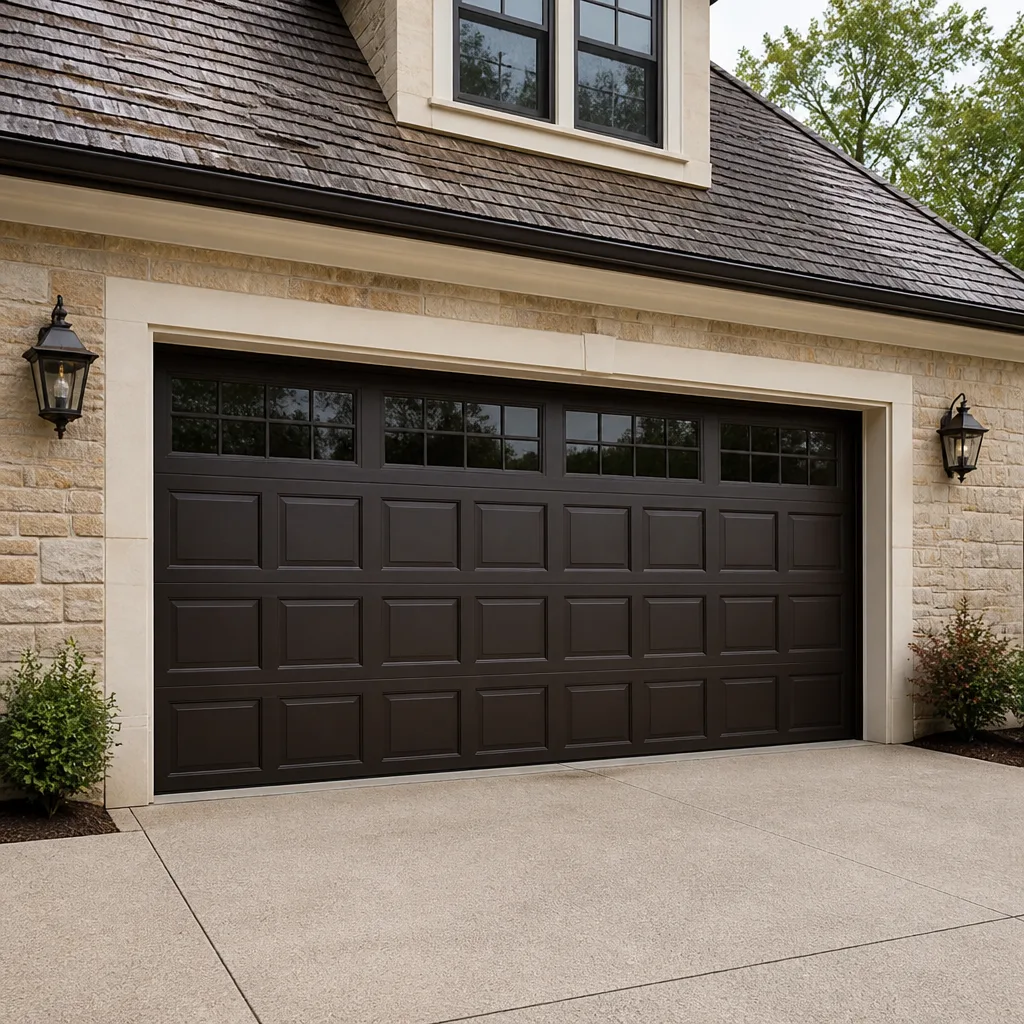 Impact garage doors
 PGT
 CGI
Free in-home measure and quote - PGT, CGI and CWS impact lines compared on your actual openings, style by style
Get your free estimateThe Complete Window Replacement Guide for Sunrise Manor Homeowners
Most window shopping starts with the wrong question. Homeowners ask which brand is best, or which glass package saves the most energy, before they’ve asked what their house actually needs. In Sunrise Manor that order matters more than it does almost anywhere else in the country. This town sits at roughly 2,000 feet, summer afternoons regularly crack 110°F, and winter nights drop into the 30s. A window marketed as “energy-efficient” in a national ad campaign was likely tuned for a climate nothing like ours. This guide walks you through the real decisions – ratings, glass, frames, HOA rules, and the stucco installation details that decide whether a window lasts or leaks – with Sunrise Manor conditions as the filter.
Quick Answer
Window replacement in Sunrise Manor should be driven by three local realities: a climate zone 3B rating profile (high solar heat gain control, moderate U-factor), stucco wall construction that demands a careful flashing and sealant sequence, and HOA design rules in the area’s master-planned communities. The right product balances a low solar heat gain coefficient for our summers against enough insulation for cold desert nights – and it’s chosen by how your specific home is built, not by which brand a dealer happens to carry.
Styles & brands we work with
- Single hung
- Double hung
- Horizontal roller
- Casement
- Bay & bow
- Sliding glass doors
- Entry doors
- Impact garage doors
- PGT
- CGI
Table of Contents
- Why Sunrise Manor’s Climate Rewrites the Window Rulebook
- How to Read NFRC Ratings for Climate Zone 3B
- Dual-Pane, Low-E, Triple-Pane, or Spectrally Selective?
- Choosing Frames for Desert Heat and Cold Nights
- The Installation Detail That Decides Everything: Flashing and Sealant
- HOA Approval in Sunrise Manor’s Master-Planned Communities
- How to Sequence a Whole-House Replacement
- How to Compare Brands Without Getting Sold
Why Sunrise Manor’s Climate Rewrites the Window Rulebook
Sunrise Manor is not Las Vegas proper, and the difference is not just geography. This is an unincorporated community in the eastern Las Vegas Valley, higher in elevation than the Strip corridor, with a thermal swing that punishes windows designed for milder places. The daily range between a 110°F afternoon and a 30s winter night puts real stress on glass, spacers, and frame materials. A window has to survive both ends of that range year after year.
That matters because “energy-efficient” is a sliding scale, not a badge. A unit tuned to trap heat in a cold northern climate will feel like a greenhouse in a Sunrise Manor summer. A unit tuned only to block summer sun will lose more heat than it should on a January night. The right window for Sunrise Manor does both, and that balance is what we look at first when we walk a home here.
What the desert does to a window over time
- UV exposure: Intense year-round sun degrades low-quality seals and glazing faster than in almost any other US climate. Glass coatings and seal chemistry matter more here.
- Thermal cycling: Daily swings expand and contract frames and seals. Cheap vinyl can warp; quality frames hold their shape.
- Dust and wind: Spring winds drive fine desert dust into any gap. Sealed, properly flashed installations shrug it off; sloppy ones let it in.
- Dry air: Low humidity is easier on wood than wet climates, but it makes sealant failure more visible – cracks show up fast.
This is why we treat window replacement in Sunrise Manor as a climate-specific engineering problem before it’s an aesthetic one. If you want to see how we frame the service itself, the window replacement page covers the scope; this guide covers the decisions.
How to Read NFRC Ratings for Climate Zone 3B
Every window sold in the US carries a label from the National Fenestration Rating Council (NFRC). The two numbers that matter most for Sunrise Manor are U-factor and SHGC, and both should be read against our actual climate zone – zone 3B, hot-dry – not against a generic national average.
U-factor vs. SHGC – what each one controls
- U-factor measures how fast heat escapes through the whole unit. Lower is better. It’s your winter-night number.
- SHGC (Solar Heat Gain Coefficient) measures how much of the sun’s heat the window lets in. It’s your summer number.
- Visible Transmittance (VT) measures how much daylight comes through. Higher is brighter, but often trades off against lower SHGC.
- Air Leakage (AL) measures how much air sneaks around the frame and sashes. Lower is better; in a windy desert, this one matters.
- Condensation Resistance (CR) matters less in our dry air – a good sign you can deprioritize it.
Zone 3B targets, in plain terms
Most energy-code guidance for our hot-dry zone points toward a low SHGC – typically below 0.30, and often closer to 0.25 for west- and south-facing glass – paired with a modest U-factor. The exact targets set by code evolve; confirm current values with your local building department. What doesn’t change is the logic: in Sunrise Manor, the summer sun is a bigger enemy than winter cold, so SHGC deserves more attention than it usually gets in national window marketing.
Watch the orientation. A west-facing wall in Sunrise Manor gets brutal late-afternoon sun in summer, and that’s where a lower SHGC pays off fastest. A north-facing window can carry a higher SHGC without feeling hot. Don’t buy one window spec for the whole house – match the glass to the wall.
Dual-Pane, Low-E, Triple-Pane, or Spectrally Selective?
The most common misconception we hear is that “low-E” alone solves desert heat. It doesn’t. Low-E coatings reduce heat transfer, but a standard low-E dual-pane unit can still let in more solar heat than a Sunrise Manor west wall needs. The question isn’t whether you have low-E – it’s which low-E, and whether the glass package is tuned for our climate.
When each glass package makes sense
- Dual-pane with standard low-E: A solid baseline for shaded or north-facing walls. The right call when the sun load is modest.
- Dual-pane with spectrally selective low-E: Blocks a large share of the sun’s heat while keeping daylight. For most Sunrise Manor homes, this is where the real value sits – especially on south and west exposures. It’s the sweet spot of cost and performance.
- Triple-pane: Genuinely useful in cold climates; overkill in zone 3B unless a specific room runs hot or cold regardless. In Sunrise Manor, the third pane adds weight and cost with limited summer payoff.
- Impact-rated glass: Built to resist breakage from wind-borne debris and forced entry. Brands like PGT and CGI build to impact standards; the right fit depends on your HOA and your glass exposure.
In our experience, the honest answer for most Sunrise Manor homeowners is spectrally selective dual-pane on the hot exposures and standard low-E on shaded ones. You get the performance where it matters without paying for glass you’ll never notice. If you want a brand-neutral conversation about which glass fits each wall, that’s what a walk-through is for.
Choosing Frames for Desert Heat and Cold Nights
Frames take the daily thermal cycling in a way glass alone doesn’t. Materials that shrug off a mild coastal climate can warp, discolor, or lose their seal in Sunrise Manor’s extremes. Here’s how the main frame choices hold up here.
- Vinyl: Affordable and a reasonable performer when the extrusion is quality and the walls are thick. Cheaper vinyl can warp in our summer heat over time.
- Fiberglass: Excellent dimensional stability across big temperature swings, which matters here. Pricier, but it holds up.
- Aluminum: Strong and slim, but a poor insulator unless it carries a thermal break. Raw aluminum conducts desert heat straight into your living room.
- Wood and wood-clad: Beautiful and fine in dry air, but they demand more upkeep. The dry Sunrise Manor climate is easier on wood than a wet climate – the sun is still tough on finishes.
The frame also decides how the window interacts with stucco, which is where installation complexity lives. Most Sunrise Manor homes are stucco over framed walls, and the frame depth and flange design have to work with that assembly. A quality window installation starts with choosing a frame that suits the wall it’s going into, not just the one that looks good on a sample board.
The Installation Detail That Decides Everything: Flashing and Sealant
Here’s the part most guides skip. In a stucco home, water rarely enters through the glass. It enters behind the frame, where the window meets the wall, and it does so slowly – so slowly that the damage shows up months later as a soft spot or a stain you can’t explain. The flashing and sealant sequence is the single most important thing about a Sunrise Manor window installation. Get it wrong and the best window in the world still leaks.
We won’t walk you through doing this yourself, because it’s detail-critical work that’s easy to get subtly wrong. But you should know what a correct installation looks like, so you can ask the right questions.
- Sill pan first: A sloped, water-shedding sill pan goes in before the window. Water that gets behind the frame must have a way out.
- Flashing in shingle order: Flashing laps like roof shingles – bottom up, sides, then top – so water always flows outward, never inward.
- Continuous sealant bed, not a bead: Sealant runs continuous where the frame meets the wall; gaps are where the desert wind and next rain get in.
- Backer rod and joint depth: Sealant needs the right depth and a backer to flex with thermal movement instead of tearing.
- Stucco tie-in: The stucco must return to the window with a proper edge; no gap, no unsupported span.
- Interior air seal: The inside gets a seal too – not just the outside. That’s where air leakage and energy loss hide.
This is why window replacement deserves a specialist who does windows and doors only. A generalist crew moves between trades and may treat flashing as a formality. We’ve seen too many Sunrise Manor homes where the window was fine and the install wasn’t.
HOA Approval in Sunrise Manor’s Master-Planned Communities
Many Sunrise Manor neighborhoods, especially the master-planned communities, are governed by HOAs that control exterior appearance. Window replacement almost always requires HOA approval before work starts, and the rules tend to be specific about frame color, glazing tint, and visible grid patterns. Skipping the approval step can force a homeowner to redo work.
What typically passes without a variance
- Frame colors matching the existing or approved palette: Neutrals – white, tan, bronze, dark brown – are common approvals. Bold or bright colors usually need a variance.
- Grid patterns matching the existing look: Changing from a colonial grid to a flat sash is often flagged. Matching the current pattern is the safe path.
- Glass tint consistent with the community: Dark, reflective, or heavily tinted glass may raise a flag; visible-transmittance and tint rules exist in many HOA documents.
- Same profile and rough opening: Window-for-window swaps that keep the existing size and shape inside the wall usually clear faster.
Ask your HOA for the architectural guidelines before you buy. Ask them which colors and glass are pre-approved. Then bring that document to your installer. At Sunrise Manor Windows & Doors we work with a portfolio spanning multiple brands, so we can usually find a product that matches the HOA rules without forcing you to compromise on performance. A Sunrise Manor home inside an HOA shouldn’t have to choose between compliance and efficiency.
How to Sequence a Whole-House Replacement
The biggest practical complaint we hear about whole-house window projects is the living conditions – weeks of open walls, dust, and furniture under covers. In Sunrise Manor’s dusty, windy environment, that discomfort is amplified. Sequencing the job in the right order keeps the disruption predictable and the budget intact.
- Prioritize by exposure, not by room: West- and south-facing windows gain the most from new glass. Do those first if you can’t do everything at once.
- Group by floor or zone: Complete one area, then move on – so you’re never living with half the house boarded.
- Batch the brand decision once: Choose your glass and frame package up front so each phase is consistent and the crew isn’t rethinking specs mid-job.
- Order all units together where possible: A single product order shortens the overall timeline and reduces lead-time surprises.
- Sequence doors alongside windows: If you’re replacing entry or patio doors, plan them in the same phase. One contractor, one schedule, fewer return trips.
- Schedule permits and HOA approvals early: Both can add lead time. Start them before the product order.
A well-sequenced project in Sunrise Manor typically means short, contained working windows rather than a house turned upside down for weeks. The goal is a project that fits your life, not the other way around.
How to Compare Brands Without Getting Sold
Single-brand dealers are loyal to one product line, which is fine if that product happens to be right for your house – and a problem if it isn’t. The better approach is to choose a contractor who carries multiple brands and matches them to the job. At Sunrise Manor Windows & Doors, we carry eight manufacturer lines: PGT, CGI, CWS, ES Windows, ECO Window Systems, Mr-Glass, Therma-Tru, and ViewLux. That spread covers impact-rated, energy-efficient, and premium door segments, and it means the recommendation comes from what your project needs, not what a single vendor pushes.
Matching brand to need
- Impact resistance first: PGT and CGI build to impact standards – a fit for homes where glass exposure or HOA rules call for it.
- Energy efficiency first: ECO Window Systems and ES Windows focus on thermal performance – relevant on our hot, sunny walls.
- Design-forward glazing and doors: ViewLux and Therma-Tru bring a styling edge; Therma-Tru’s fiberglass and steel entry doors are one of North America’s most recognized lines and are available through us.
Ask a dealer whether they can show you at least two brands for the same opening. If the answer is no, you’re not hearing an opinion – you’re hearing a sales quota. The right window for your home is the one that fits its wall, its climate, and its budget – not the easiest one to sell.
Common Mistakes to Avoid
- Buying on U-factor alone: In Sunrise Manor, SHGC drives summer comfort more than U-factor does. A window with a great U-factor and a high SHGC can still bake your west room.
- Ignoring the HOA: Starting installation before HOA approval is the fastest route to a redo. Get the architectural guidelines in writing first.
- Choosing glass for the whole house by one spec: Our west and south walls need different glass than north-facing windows. A single spec for the whole house isn’t a design, it’s a shortcut.
- Underestimating the stucco detail: A beautiful window over a bad flashing and sealant sequence leaks. The install decides whether the purchase lasts.
- Paying extra for triple-pane out of fear: Triple-pane rarely earns its cost in zone 3B. Spectrally selective dual-pane handles most Sunrise Manor exposure better for less.
- Booking the brand before the installer: Choosing the product before vetting the installation team is backwards. The crew’s quality matters more than the logo on the glass.
- Doing it in one unplanned push: Without a phase plan, a whole-house project becomes a construction zone for weeks. Sequence it by exposure and zone.
See the difference
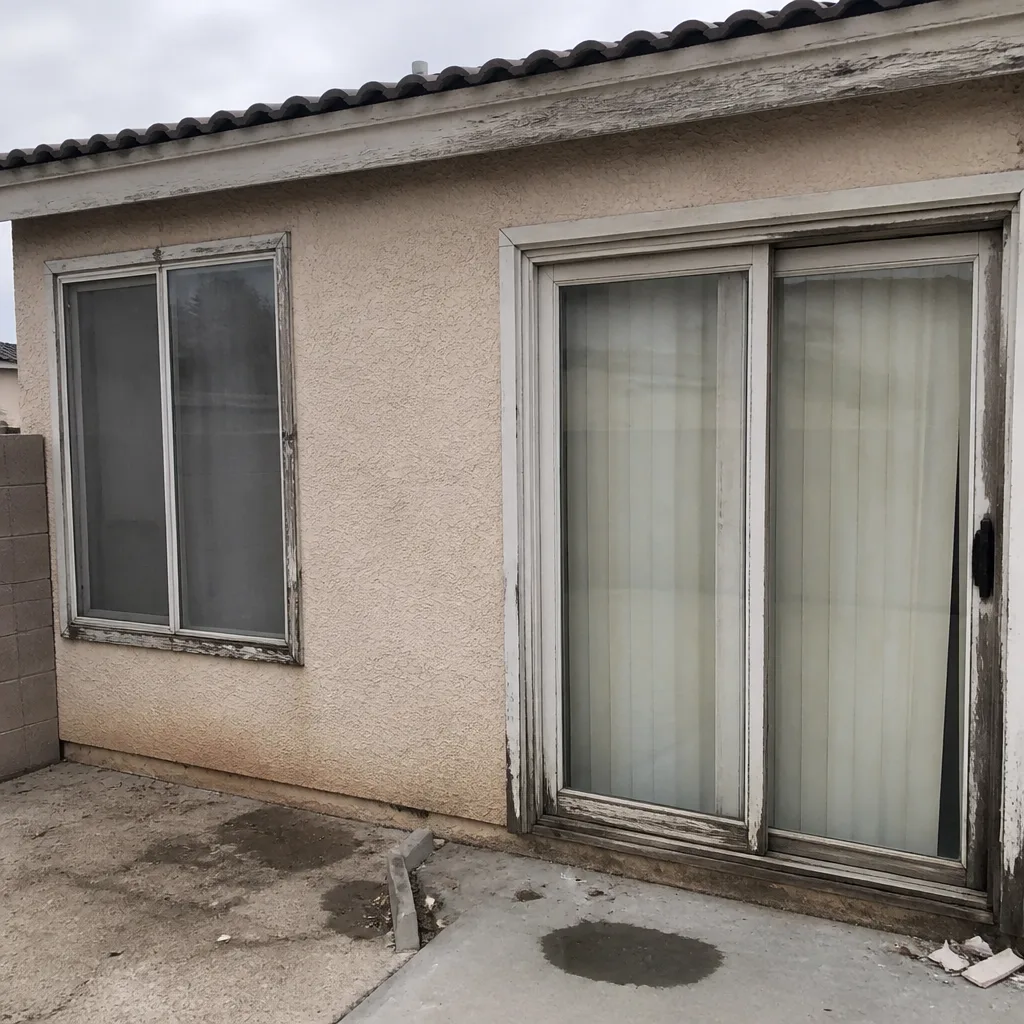 Before
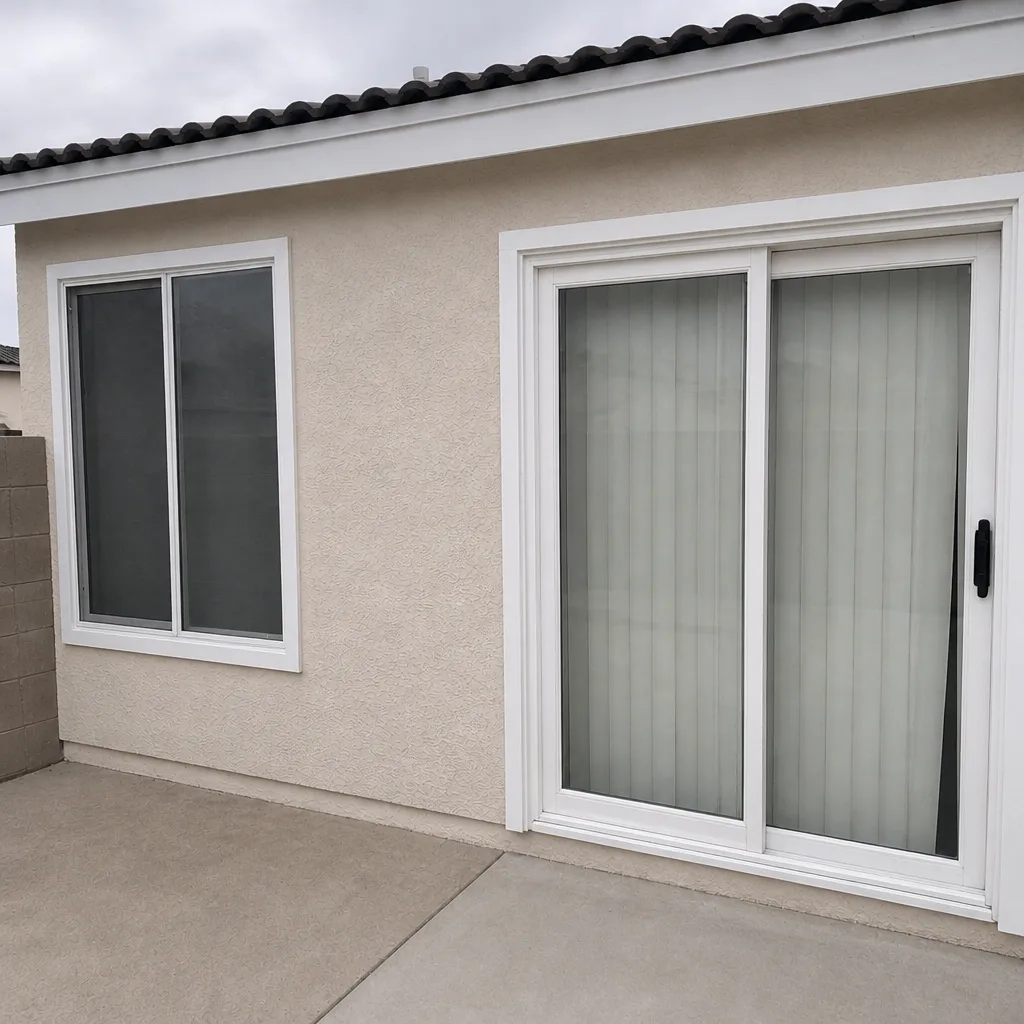 After
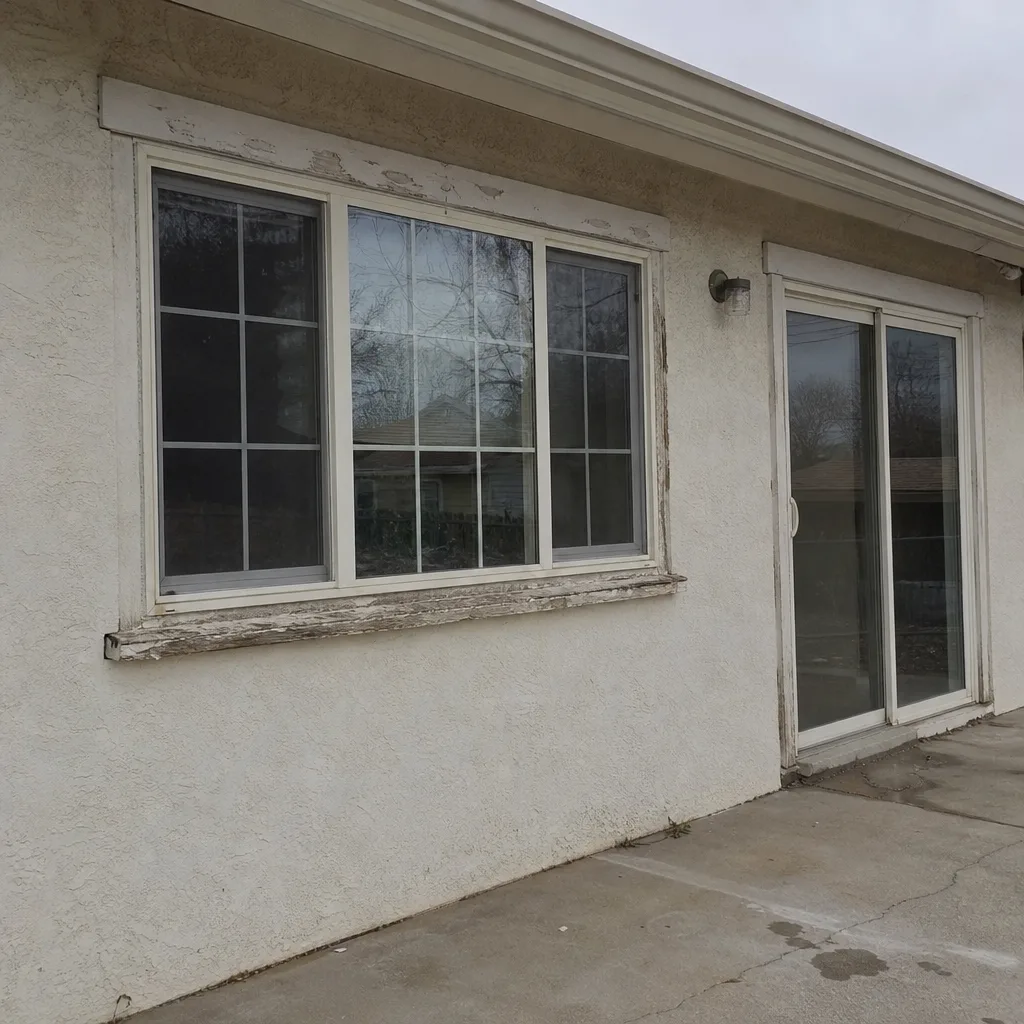 Before
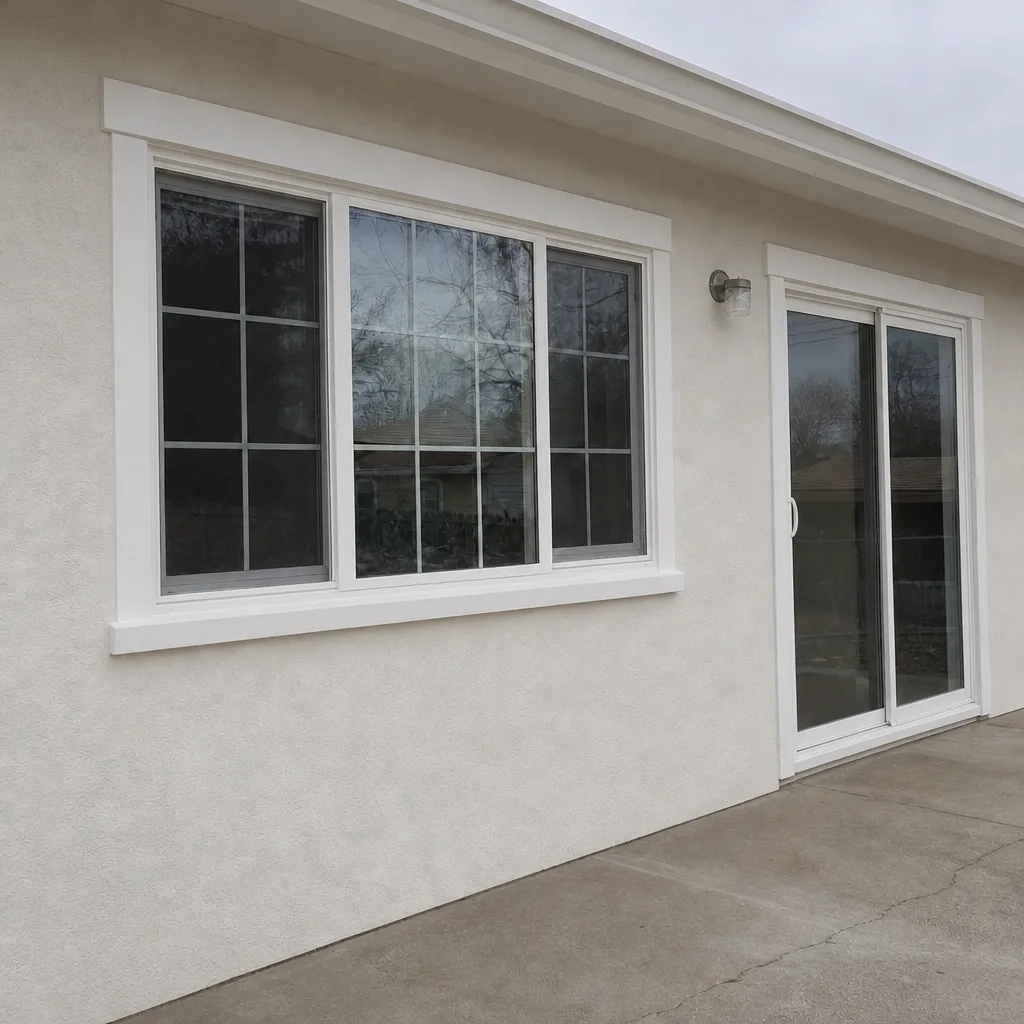 After
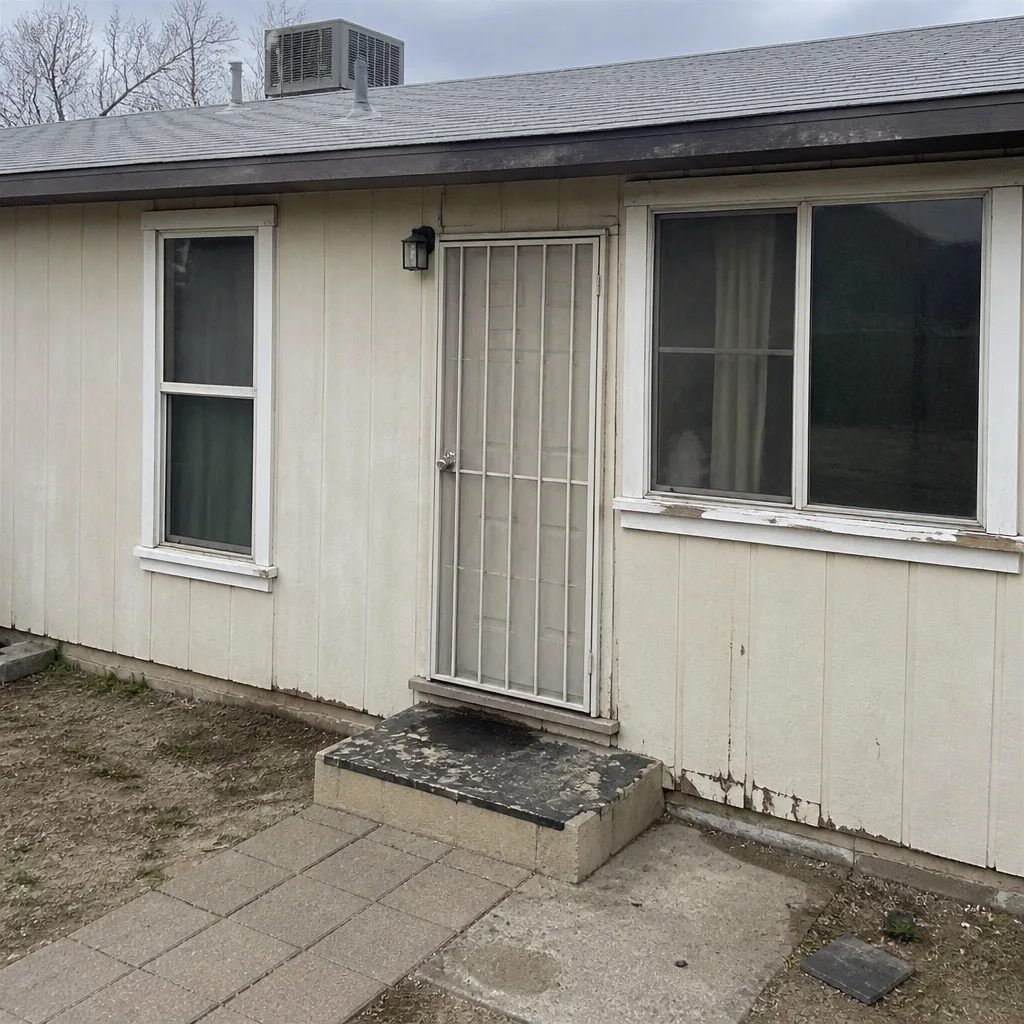 Before
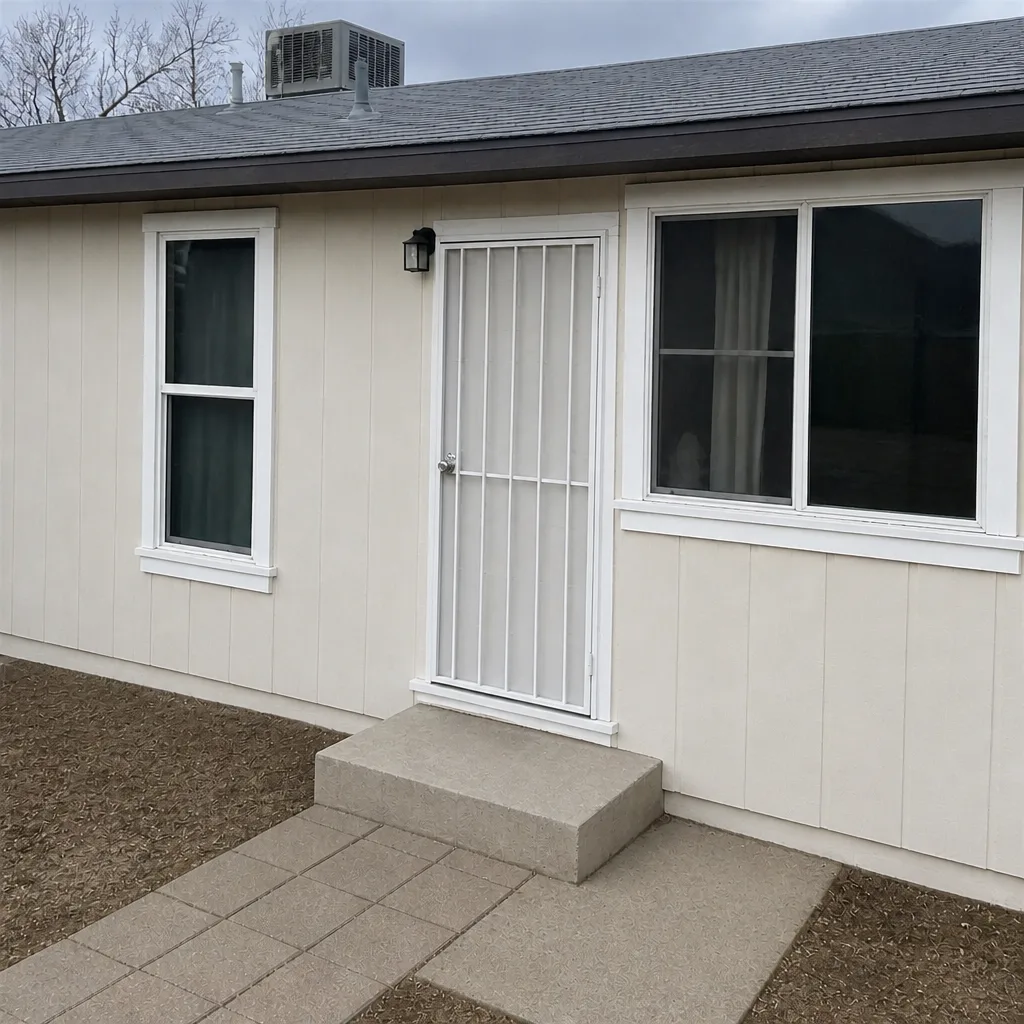 After
When to Call a Professional
Some window problems are cosmetic and can wait. Others shouldn’t. Call a professional when you see condensation between panes (a failed seal), drafty or sticky operation that adjusting won’t fix, water staining around a frame, or glass that has cracked or fogged after storm exposure. Call before you notice a problem if your windows are original builder-grade units that struggle to hold temperature through a Sunrise Manor summer. Call a specialist rather than a generalist – flashing and sealant sequence is detail-critical work, and a windows-and-doors-only crew has seen the failure patterns this climate creates. Sunrise Manor Windows & Doors offers free estimates in Sunrise Manor – call (888) 335-0658. We answer 24/7, with fast dispatch from 7am to 7pm, Sunday through Friday. Our technicians have up to 8 years of experience, and every estimate comes as a written line-item quote so you can see the scope before you commit.
Frequently Asked Questions
The final price is set per job by a written estimate, because it depends on the number of units, glass and frame choices, and HOA requirements. The written line-item quote is what you sign – no change orders. Call (888) 335-0658 for a free estimate.
For most homes here, spectrally selective dual-pane is the better value: it blocks the summer sun on hot exposures while keeping daylight, and triple-pane rarely earns its extra cost in a zone 3B climate. Triple-pane makes more sense for specific rooms that run hot or cold regardless of the glass. Call (888) 335-0658 and we’ll match glass to each wall.
In most master-planned communities here, yes – window replacement needs HOA approval before work starts, usually focused on frame color and glass tint. Ask your HOA for the architectural guidelines first, and bring them to the estimate. Call (888) 335-0658 if you’d like help matching products to the rules.
Aim for a low solar heat gain coefficient – often below 0.30, and lower on west- and south-facing walls – paired with a moderate U-factor for cold desert nights. Confirm the exact code targets with your local building department. Call (888) 335-0658 for a walk-through and product recommendations.
Most cities require permits for window replacement, so ask your city’s building department, and make sure your installer pulls permits and passes inspections – it protects you. The written estimate should say exactly what’s covered. Call (888) 335-0658 with questions about your project.
Most projects are phased by exposure and zone so you’re not living in a construction zone for weeks. The exact timeline depends on unit count and lead times, and it’s laid out in the estimate. Call (888) 335-0658 to plan the staging.
The Bottom Line
Window replacement in Sunrise Manor is a climate decision before it’s a style decision. Zone 3B ratings, spectrally selective glass on hot exposures, a frame that holds up to 110°F swings, and a flashing and sealant sequence built for stucco – those four things decide how a window performs for years. Add HOA compliance and a sensible phase plan and you have a project that runs without drama. The right window for your home is the one you chose from options, not the one you were sold from a sample board. If you’d like help sorting the choices, that’s what we’re here for.
Call (888) 335-0658 for a free estimate. We answer 24/7. Fast dispatch from 7am to 7pm, Sunday through Friday. Start at Sunrise Manor Windows & Doors and we’ll walk your home with you, one window at a time.
Written by the team at Sunrise Manor Windows & Doors.