Last updated November 17, 2026
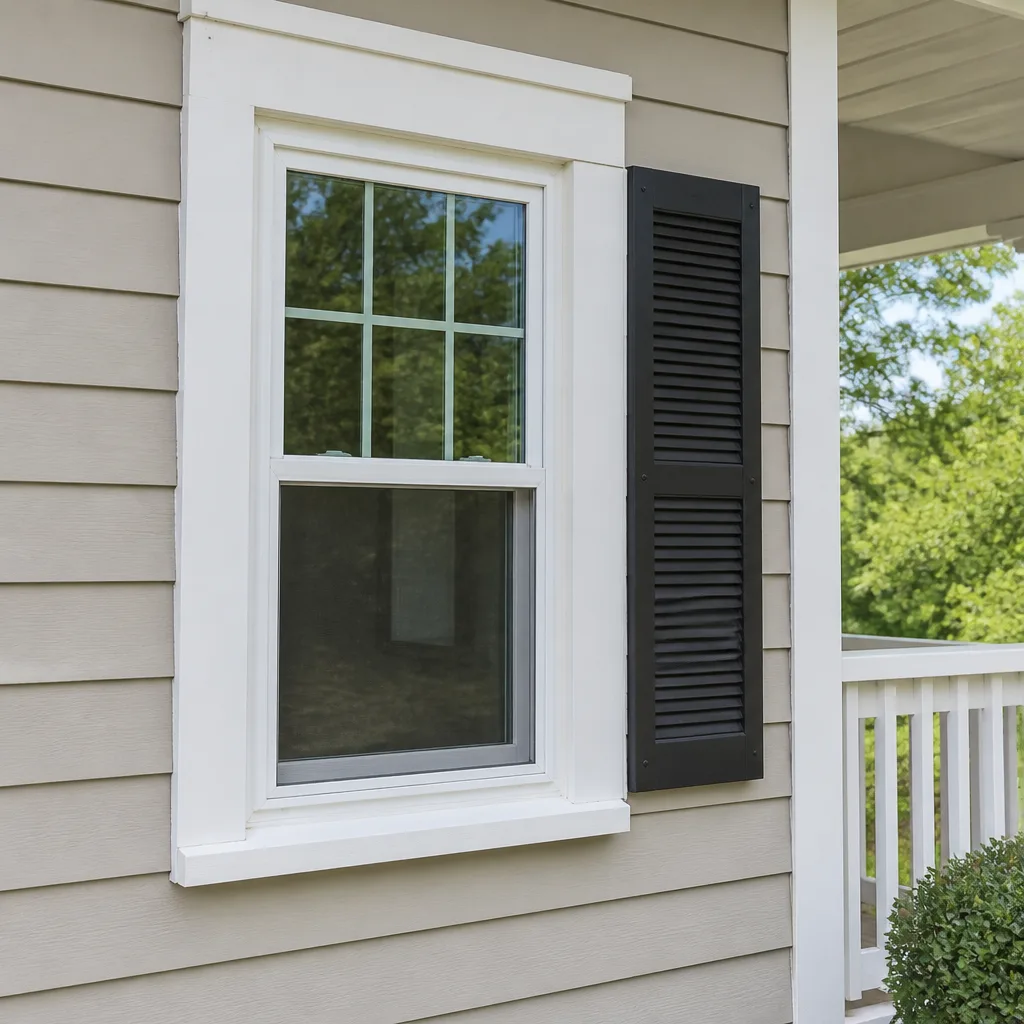 Single hung
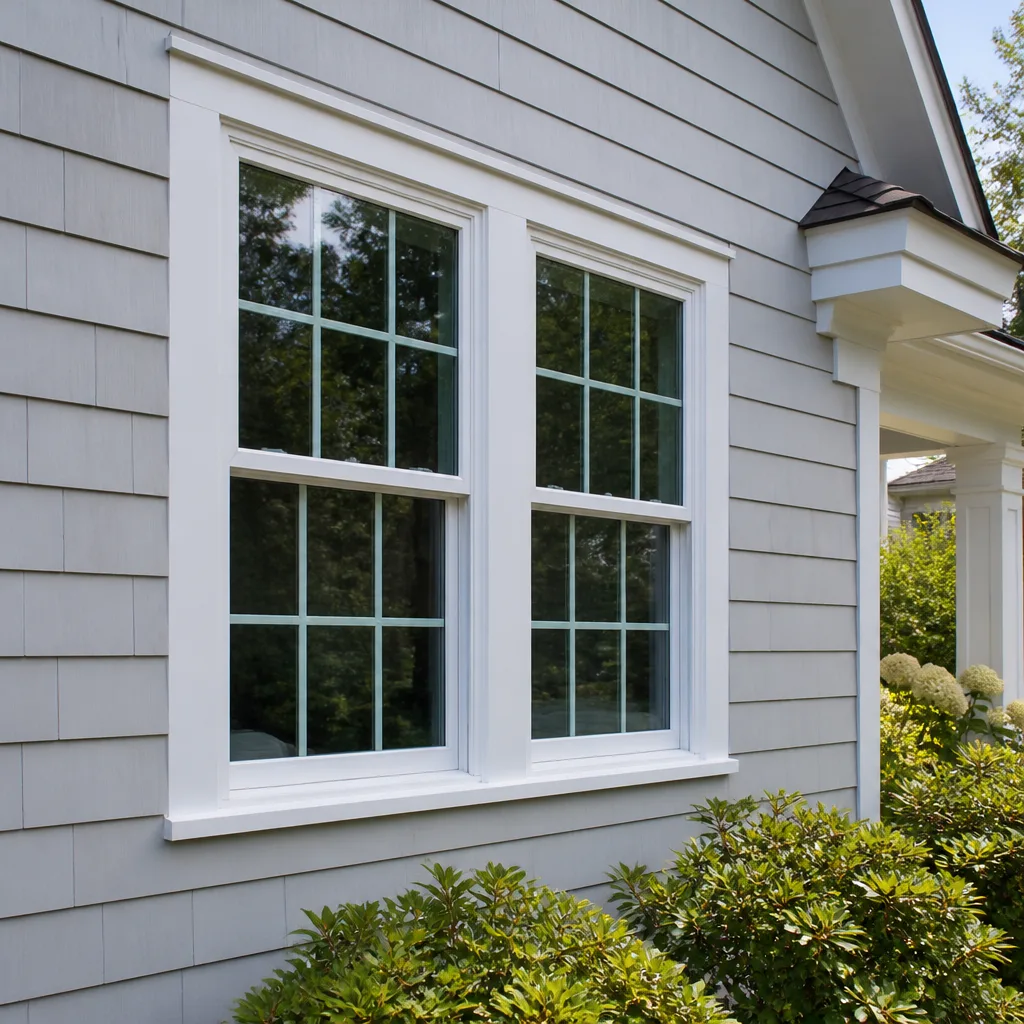 Double hung
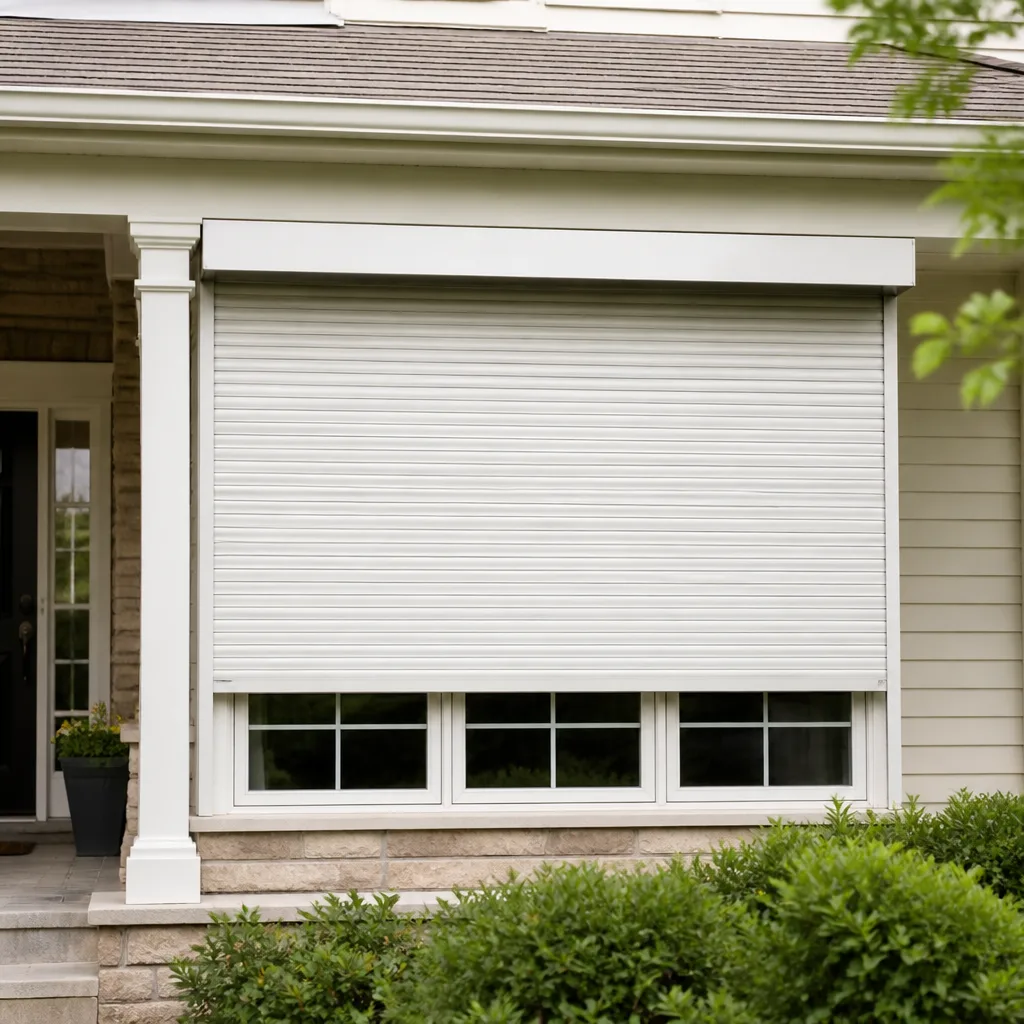 Horizontal roller
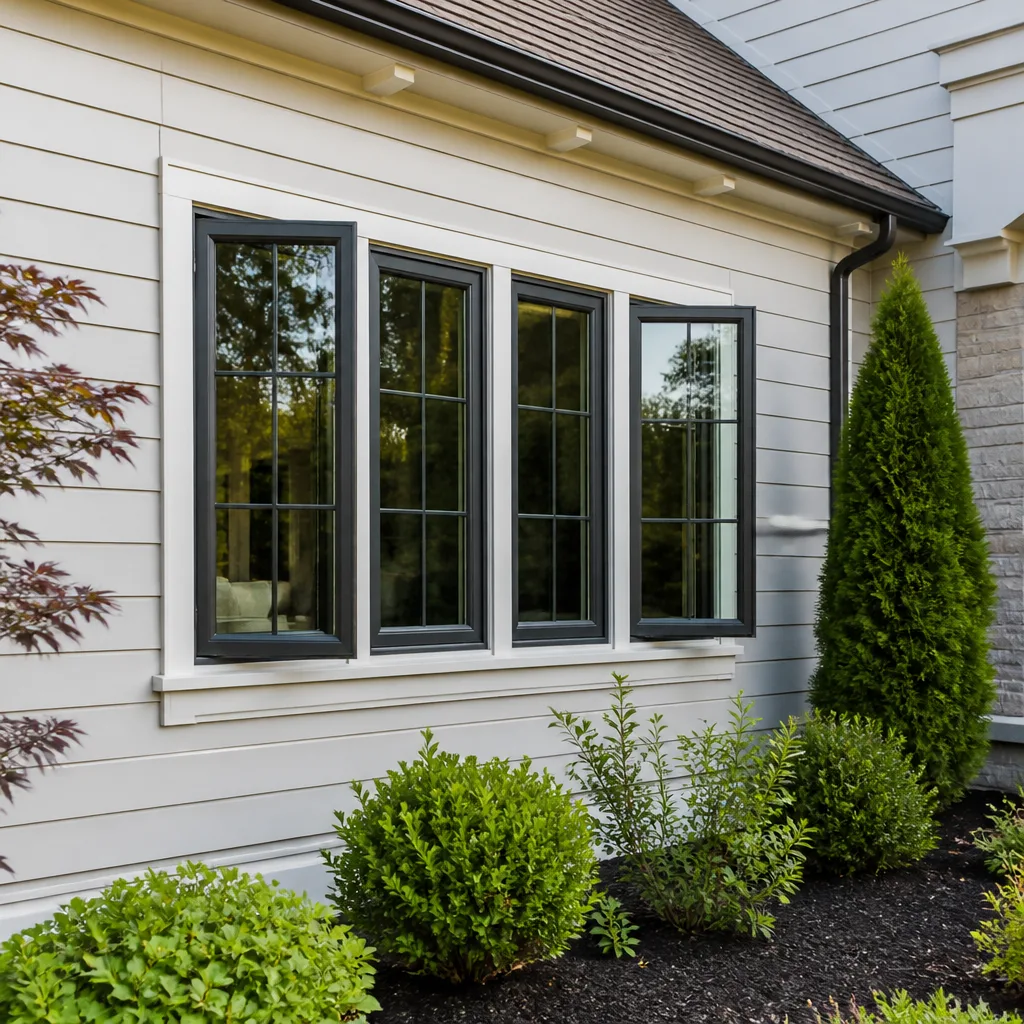 Casement
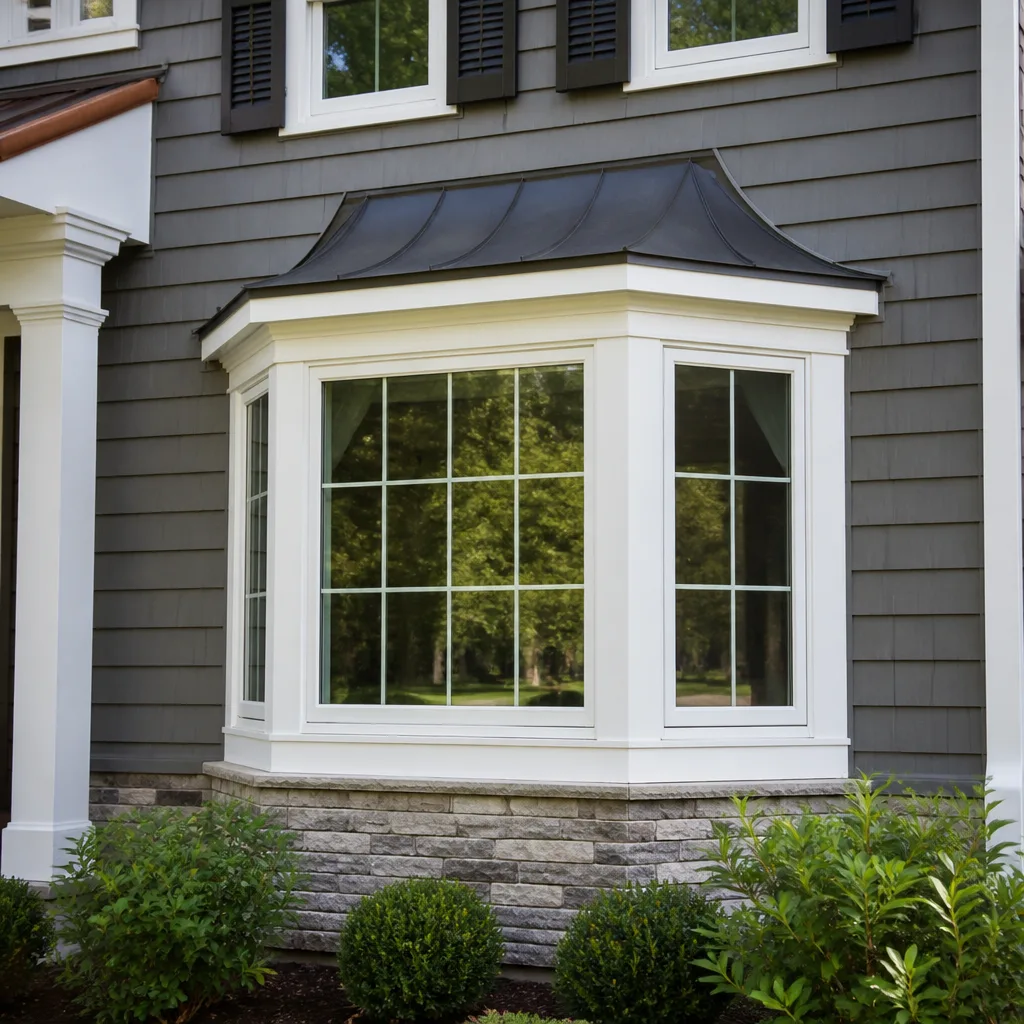 Bay & bow
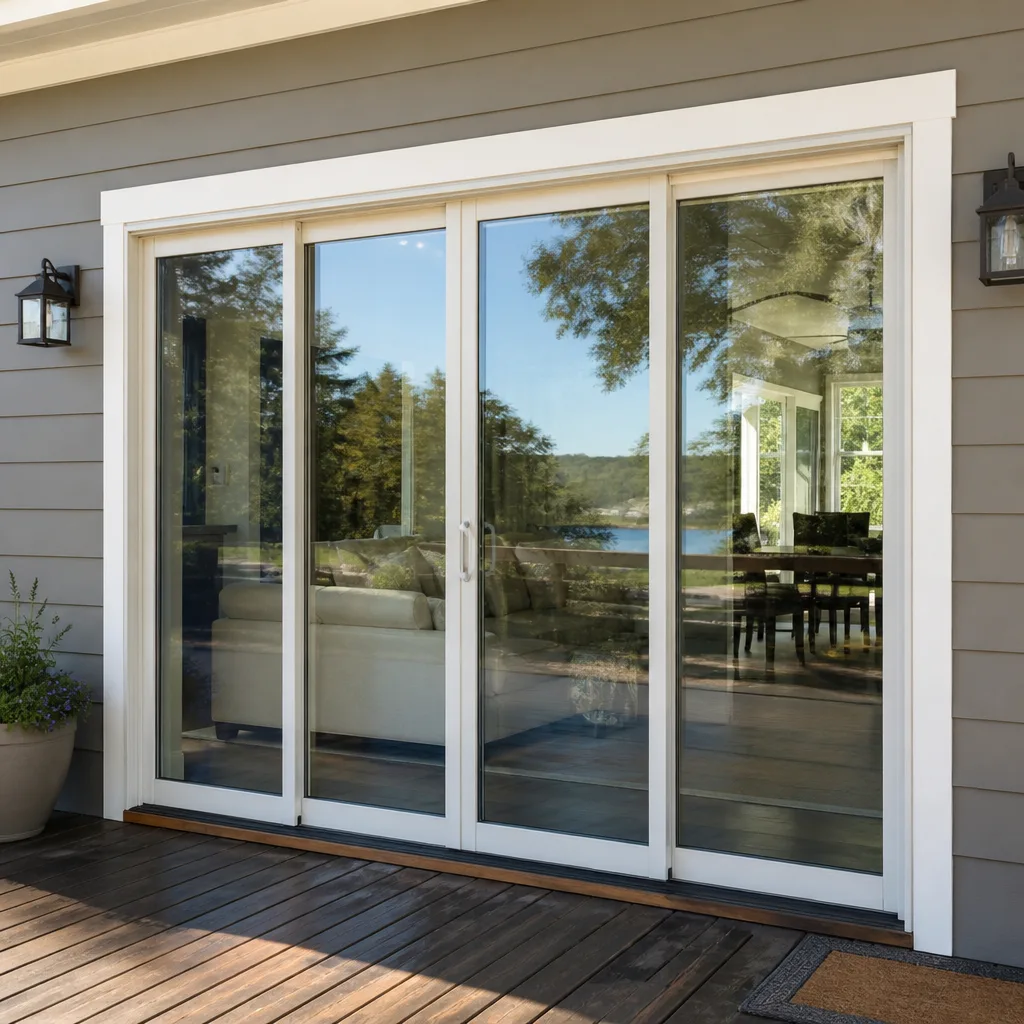 Sliding glass doors
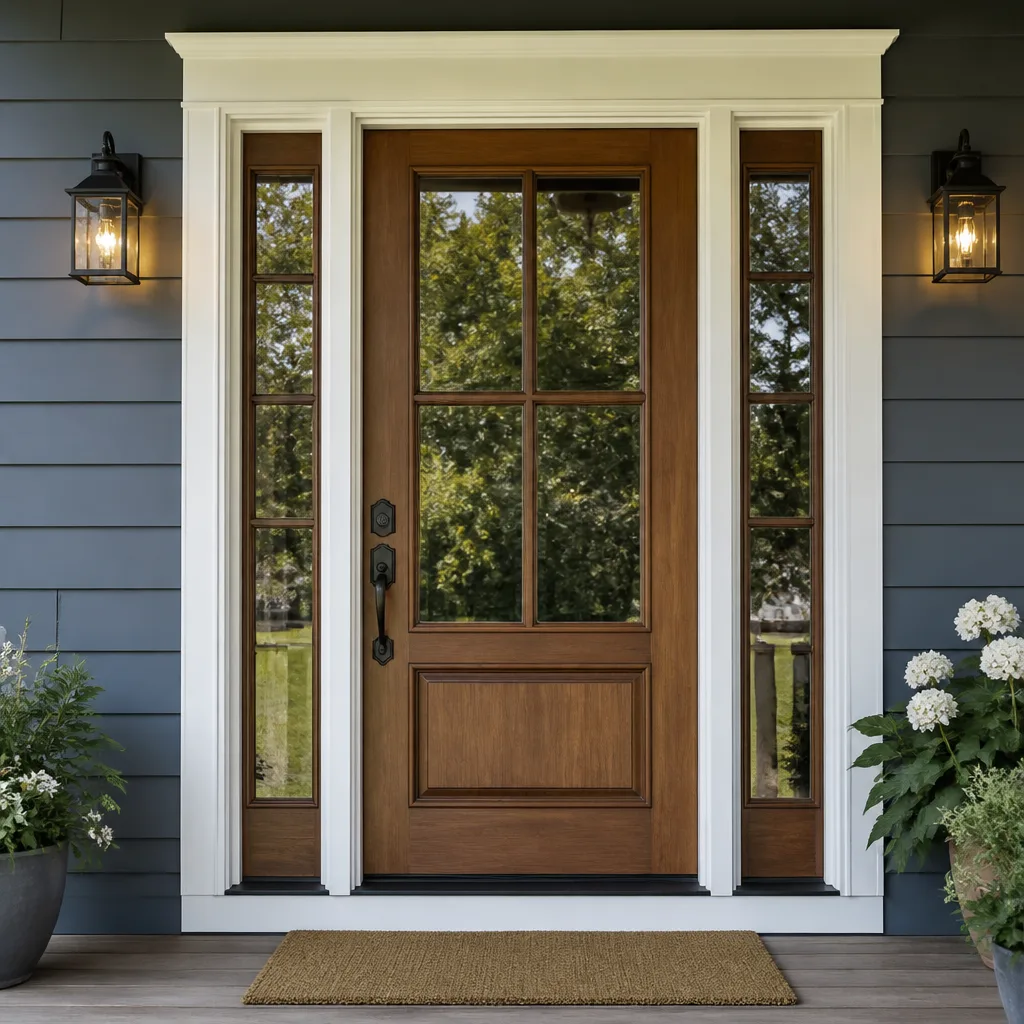 Entry doors
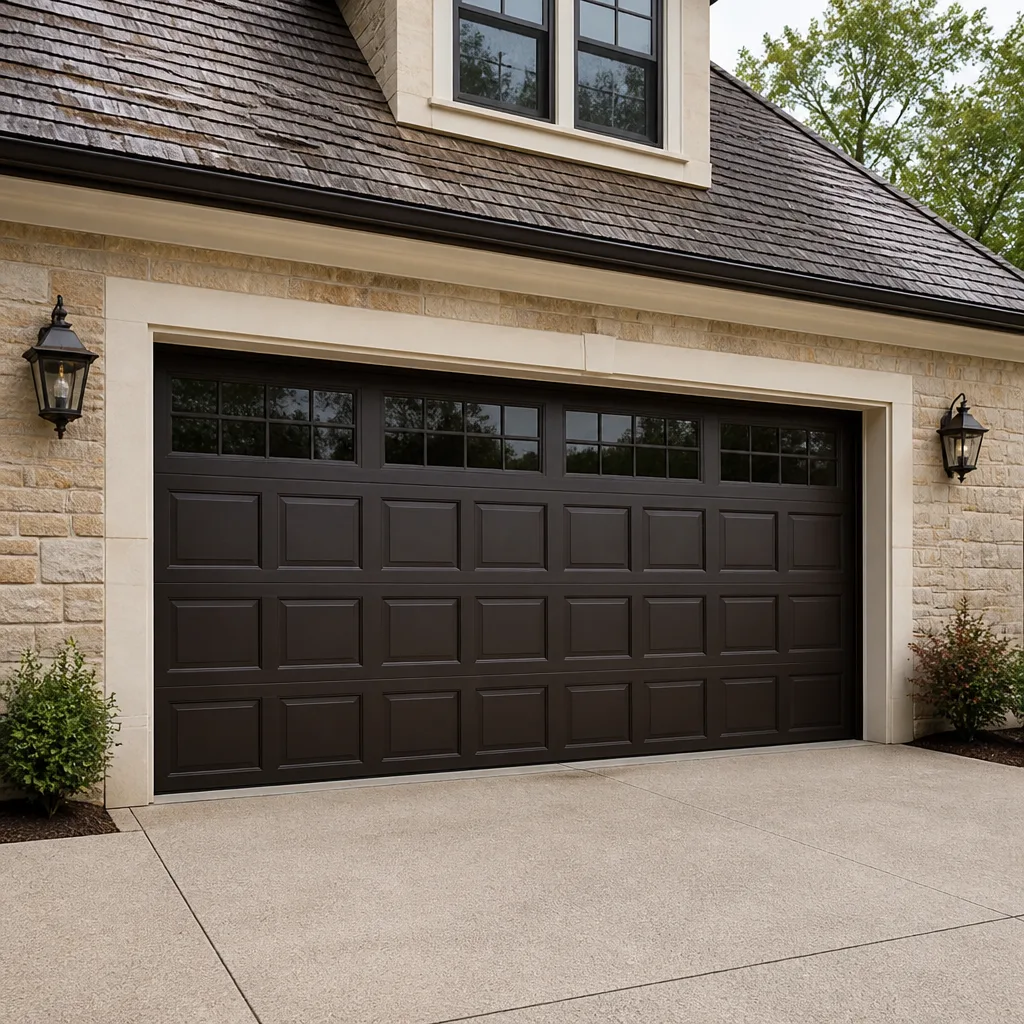 Impact garage doors
 PGT
 CGI
Free in-home measure and quote - PGT, CGI and CWS impact lines compared on your actual openings, style by style
Get your free estimateWindow Replacement Troubleshooting in Sunrise Manor: Common Problems and How to Fix Them
A fogged double-pane window looks like the end of the road. It isn’t. In most cases the glass itself is fine and what failed is the seal around it, a problem that can often be corrected for a fraction of what a full replacement costs. The mistake we see most often in Sunrise Manor is a homeowner calling for a whole-house quote when three of their windows simply need a reseal or a hardware adjustment. This guide teaches you to read the symptoms before you spend any money: what fogging patterns mean, where drafts actually come from, which hardware could always fail on the aluminum frames that went into most Sunrise Manor homes, and the red flags that point to an installation problem rather than a product problem.
Quick Answer
Most window problems in Sunrise Manor fall into three buckets: seal failures (fogging, condensation between panes), hardware and operation issues (sticking sashes, broken latches, worn weatherstripping), and genuine end-of-life failure (frame rot, structural damage, repeated IGU failure). Seal and hardware problems are usually repairable without replacing the window. Understanding which category your problem belongs to before you call anyone will save you money and help you ask better questions.
Styles & brands we work with
- Single hung
- Double hung
- Horizontal roller
- Casement
- Bay & bow
- Sliding glass doors
- Entry doors
- Impact garage doors
- PGT
- CGI
Table of Contents
- How Do You Diagnose a Window Problem? A Visual Chart
- Why Does Window Fogging Happen and What Does It Mean?
- Aluminum-Frame Window Hardware Failures in Sunrise Manor
- How Do You Tell If a Draft Is a Frame Failure or an Installation Gap?
- When Does a Failed IGU Justify Reglazing vs. Full Replacement?
- Red Flags That Point to a Bad Original Installation
- Step-by-Step: What a Proper Window Troubleshooting Visit Involves
- When Replacement Is the Right Call
How Do You Diagnose a Window Problem? A Visual Chart
The symptoms you see tell you a lot about the cause underneath. Before you call anyone, walk your windows and match what you find to the patterns below. This is basic triage, and it works in any Sunrise Manor home regardless of frame material or window age.
- Fogging between the panes: The sealed glass unit (the IGU) has lost its gas fill or moisture barrier. This is a seal failure, not a glass failure. The frame and sash may still be perfectly sound.
- Condensation on the room-side surface only: Your home’s interior humidity is high relative to the glass temperature. That’s an air-quality or ventilation issue, not a window failure.
- Condensation on the exterior surface: This is often a sign the window is performing well. The glass is cold enough on the outside to collect dew while keeping heat out of your home.
- Draft at the sash edge or between sashes: Weatherstripping, a latch that no longer pulls tight, or a sash that has dropped slightly out of square. Often a hardware fix.
- Draft around the entire frame perimeter, including the trim: Likely an installation gap, not a window-product failure. The gap is between the window frame and the rough opening, and that’s where air moves.
- Water staining or a soft sill: Water has been getting in and soaking the surrounding wood or drywall. This needs to be investigated before any glass decision is made.
- Window that won’t open, close, or lock: Hardware failure, frame distortion, or a sash that has settled. In aluminum frames, this is common as frames expand and contract with Sunrise Manor’s summer heat.
Once you know which row you’re in, you know roughly what kind of fix you’re looking at. That’s the most useful thing you can bring to a conversation with any contractor, including us.
Why Does Window Fogging Happen and What Does It Mean?
Fogging is the most misunderstood window problem we see in Sunrise Manor. Here’s what actually happens: a double-pane or triple-pane window is made of two or more panes of glass separated by a spacer and sealed all the way around. The space between the panes is filled with air or an inert gas. When the perimeter seal fails, moisture from the air outside the unit gets in and condenses on the inside surfaces of the glass. The fog you see is on the inside, walled off from the room.
That distinction matters because it tells you the glass itself hasn’t been compromised. In most cases, a fogged window can be addressed by replacing the sealed unit, often called reglazing, while keeping the original frame and sash intact. The whole window doesn’t need to come out.
Signs the seal has failed vs. signs it’s a humidity issue
- Seal failure: Fog or a cloudy film between the panes that doesn’t change with weather, or a visible water line inside the glass gap. Present year-round.
- Humidity issue: Condensation only on the inside face of the glass, usually in cooler months or on mornings after a shower or cooking. Clears as the day warms up.
- Tinted or low-E glass changes: If the coating on the glass starts to look blotchy or reflective in a strange way, the seal has likely failed and moisture has reached the coating.
Pay attention to where the fog is. A small, sharp-edged patch that grows over time is classic seal failure. A wide, soft haze that’s uniform across the pane can be the same thing at a later stage. Either way, it’s not a reason to panic. It is a reason to get a professional opinion on whether a new sealed unit will fit the existing frame.
Aluminum-Frame Window Hardware Failures in Sunrise Manor
Many Sunrise Manor homes were built with aluminum-frame windows. Aluminum is lightweight, holds paint well, and in this climate it’s cost-effective. But it has a specific set of hardware fail points that show up after a certain amount of thermal cycling. Sunrise Manor’s hot summers and cool desert nights push aluminum frames to expand and contract over and over again. That movement works loose screws, distorts the sash, and wears out the contact points where hardware meets frame.
Common failures in aluminum frames
- Corner and hinge screws that have backed out. The frame pulls slightly out of square, and the sash starts rubbing or dragging. This often reads as a “the window won’t close” complaint when the real issue is loose hardware.
- Worn or flattened weatherstripping. The sealing material that sits between sash and frame loses its spring. It stops making contact and the window drafts or whistles. Replacement weatherstripping is a low-cost, high-impact fix.
- Cracked or broken latches and locks. These often fail at the point where the latch mechanism meets the frame. A missing lock is also a safety issue, especially on ground-floor windows.
- Sash balance or operator failure. On sliding or awning windows, the balance or operator may fail and the sash becomes difficult to operate or stops staying in position.
- Broken or bent track on horizontal sliders. The lower track takes a lot of wear and can deform or collect grit, causing the sash to bind.
Where to source replacement parts
This is where aluminum-frame troubleshooting can get frustrating. Parts for older aluminum windows aren’t sold at every big-box store, and a hardware piece that “looks right” often isn’t. The dependable route is a window specialist who handles these frames regularly and can identify the correct part by manufacturer and model. If your window is a PGT, CGI, CWS, or ES Windows unit, a specialist with access to those lines is the fastest path to the right replacement. We carry these brands and can also help identify the correct part for many frames we don’t install directly, because the hardware catalog overlaps more than most homeowners expect.
One practical note: don’t try to force a stuck sash into position with tools. Aluminum frames can be bent permanently, and the bend makes the fitment worse. If the sash won’t move, stop and get a professional assessment.
How Do You Tell If a Draft Is a Frame Failure or an Installation Gap?
A draft has two possible sources: it comes through the window itself (a failed sash seal, a worn weatherstrip, a poorly fitting sash) or it comes around the window (a gap between the window frame and the rough opening in the wall). Those two diagnoses have completely different implications, and knowing which you have tells you who’s responsible and what kind of fix you need.
The pressure test
The simplest pressure test is to hold a thin piece of tissue or a lit incense stick near the suspect area on a windy day. Start at the center of the sash and work your way outward. Watch where the tissue or the smoke moves.
- Draft at the sash edge or meeting point of sashes: This points to weatherstripping, a worn latch, or sash alignment. It’s a window-level problem and likely a hardware fix.
- Draft around the frame perimeter, at the edges where the window meets the trim or wall: This points to an installation gap. The seal between the window frame and the rough opening may have failed or was never properly applied.
- Draft at the corners or between the window and the drywall on the interior: Likely the same installation-gap problem, often with missing or failed sealant.
Why the distinction matters for warranty
If the draft is in the sash seal, it’s a window-product issue and may fall under the window manufacturer’s warranty. If the draft is around the frame perimeter, it’s an installation issue, and the window manufacturer’s warranty probably won’t cover it. That important distinction determines whether you call the window brand or the installer. Knowing which one you’re facing before you call saves you a frustrating round of phone tag.
If you’re not sure which you have, that’s exactly the kind of thing a specialist can determine quickly. Sunris
Sunrise Manor homes with original 1990s and early 2000s aluminum windows often show installation-gap drafts at the corners, where the gap between frame and rough opening is largest. That’s a fixable problem. It doesn’t necessarily mean the window needs to come out.
When Does a Failed IGU Justify Reglazing vs. Full Replacement?
This is the decision that most homeowners get wrong, and it’s where the real money gets saved or wasted. A failed insulated glass unit (IGU) is the sealed glass assembly. Reglazing means replacing just that assembly and keeping the original frame. Full replacement means taking out the entire window, frame and all. The right answer depends on the frame’s condition and the extent of the failure.
Reglazing is usually the right call when:
- The frame is solid, square, and undamaged by water intrusion or rot.
- The failure is limited to fogging or a visible seal failure in the glass.
- The window hardware still works properly.
- The frame is aluminum or wood that hasn’t been compromised.
- The window is a color, style, or profile you actually want to keep.
Full replacement is usually the better call when:
- Multiple IGUs are failing on the same frame or the same window bank, suggesting the frames themselves are moving enough to stress the seals.
- The frame is distorted, rotted, or has visible water damage.
- The window is old enough that replacement glass units are hard to source.
- The existing window doesn’t meet current energy performance expectations for this climate.
- The frame material or style is out of step with the rest of the home.
Here’s the practical point: reglazing one IGU in an otherwise sound frame usually costs far less than a full window replacement. But if three or four IGUs fail across the same window bank, that’s a signal the frames are moving or the seals are reaching the end of their useful life, and whole-window replacement becomes the more sensible long-term spending. A good rule of thumb is that one failure in a solid frame is a reglaze; a pattern of failures is a replacement conversation.
If you’re considering replacement, our window replacement page explains how we match products to this climate and what the process looks like.
Red Flags That Point to a Bad Original Installation
Some window problems keep coming back no matter how many times a technician adjusts them. When that happens, the root cause is usually the original installation, not the window itself. These are the signs we look for when a homeowner tells us they’ve had the same window “fixed” three times.
- Recurring draft at the same spot on the same window. If a service visit fixes it and it returns, the gap wasn’t sealed properly in the first place. You can’t fix an installation gap with a sash adjustment.
- Water stains or a soft sill at one or two windows. One window with moisture intrusion is a leak. Multiple windows in the same area is an installation-pattern problem.
- A visible gap between the window frame and the wall, or trim that’s pulled away. This is the classic sign the frame wasn’t set square or was sealed inadequately before trim went on.
- The window doesn’t sit level in the opening. Look at the reveal between the sash and frame: it should be consistent on all four sides. If it’s tight on one side and wide on another, the frame is out of square.
- Adhesive or flashing that’s peeling or missing. Flashing details are exactly where installation shortcuts show up, and they let water in.
- Doors and windows in the same wall showing the same problem. If a window leaks and the adjacent door has a draft, the installation was likely rushed on that wall assembly.
These problems don’t respond to repeated adjustment. They respond to fixing the installation gap, which sometimes means re-setting the window. That’s a different scope of work than a hardware fix.
Step-by-Step: What a Proper Window Troubleshooting Visit Involves
Here’s what a real troubleshooting visit looks like in Sunris
Here’s what a real troubleshooting visit looks like in Sunrise Manor. Knowing the steps helps you evaluate whether the technician you hire is doing a proper assessment or just trying to sell you a replacement.
- Interview the homeowner. When did the problem start, has it been repaired before, and what was done? A previous repair history tells us a lot.
- Visual inspection inside and out. Check the glass for fogging, the frame for distortion, the trim for gaps, and the sill for water damage. Look at the reveal for squareness.
- Operate the window. Open, close, and lock it. Check for binding, rubbing, and any point where the sash stops moving smoothly. Note where the hardware feels loose.
- Pressure-test the drafts. Determine whether the draft is in the sash seal or in the frame perimeter, as described above.
- Check the sealant and flashing. A close look at the exterior perimeter will reveal missing caulk, failed flashing, or gaps between frame and wall.
- Confirm the diagnosis and present options. A good technician should be able to tell you what the problem is, what the realistic fixes are, and what each one costs.
- Set a plan. That might be a hardware fix, a reglaze, or a replacement recommendation. Either way, you should understand why.
Our technicians have up to 8 years of experience reading these problems, and the visit is always a diagnosis-first conversation, not a sales pitch. If you’re in Sunrise Manor and want a second opinion, we’re glad to take a look.
When Replacement Is the Right Call
Replacement isn’t the answer to every window problem, but there are clear situations where it’s the only sensible one. Knowing these in advance keeps you from spending money on repairs that won’t hold.
- Frame rot or structural damage. If the frame itself has failed, a reglaze won’t last. The new glass unit will sit in the same moving, compromised frame.
- Repeated IGU failures across the same window bank. This usually signals the frames are moving enough to break the seals, and new glass will just fail again.
- Aluminum frames with widespread hardware failure. If several windows of the same type are all losing latches, weatherstripping, and tracks, the frame system is at the end of its useful life.
- Water damage that’s spread to the surrounding wall. Once moisture has compromised the framing in the wall, you’re doing a larger repair, and a new window should be part of it.
- The window doesn’t meet your energy goals for this climate. Sunrise Manor keeps plenty of homes in cooling mode for most of the year, and a window that doesn’t perform makes that harder. If the existing glass is old and the frame is in decent shape, a modern energy-efficient line like ECO Window Systems or ES Windows might be the better long-term choice.
Replacement is also about product choice, not just putting the same window back in. If impact resistance is your priority, PGT, CGI, and CWS are the lines we’d reach for. If energy performance is the focus, ECO Window Systems and ES Windows are the ones we’d compare. If a door is part of the same project, Therma-Tru entry doors and ViewLux units round out the plan under one installer.
Our window installation service covers the full scope when replacement is the right call.
Common Mistakes to Avoid
- Replacing a whole window when only the glass unit failed. A single failed IGU in a sound frame often justifies reglazing. Replacing the entire unit because of fogging is the single biggest unnecessary spend we see in Sunrise Manor.
- Ignoring a draft that keeps coming back. Repeated draft fixes on the same window usually mean an installation gap, not a sash problem. Fix the gap or it returns.
- Assuming condensation means a failed window. Room-side condensation in cooler weather is a humidity and ventilation issue. Check the conditions before you buy glass.
- Forcing a stuck aluminum sash with tools. Aluminum frames can bend permanently, and a bent frame turns a hardware fix into a replacement.
- Using a hardware-store part that “looks close.” Mismatched parts stress the frame and can make a latch fail faster. Match the part to the manufacturer and model.
- Overlooking the water stains. A soft sill or brown stain at the corner usually means moisture got in. Treat that first, not the visible window problem.
- Choosing a window brand before diagnosing the problem. The brand is the answer to a product question. You need the diagnosis first. That’s the whole reason we carry eight brands instead of one: the right window for your home, not the easiest one for us to sell.
See the difference
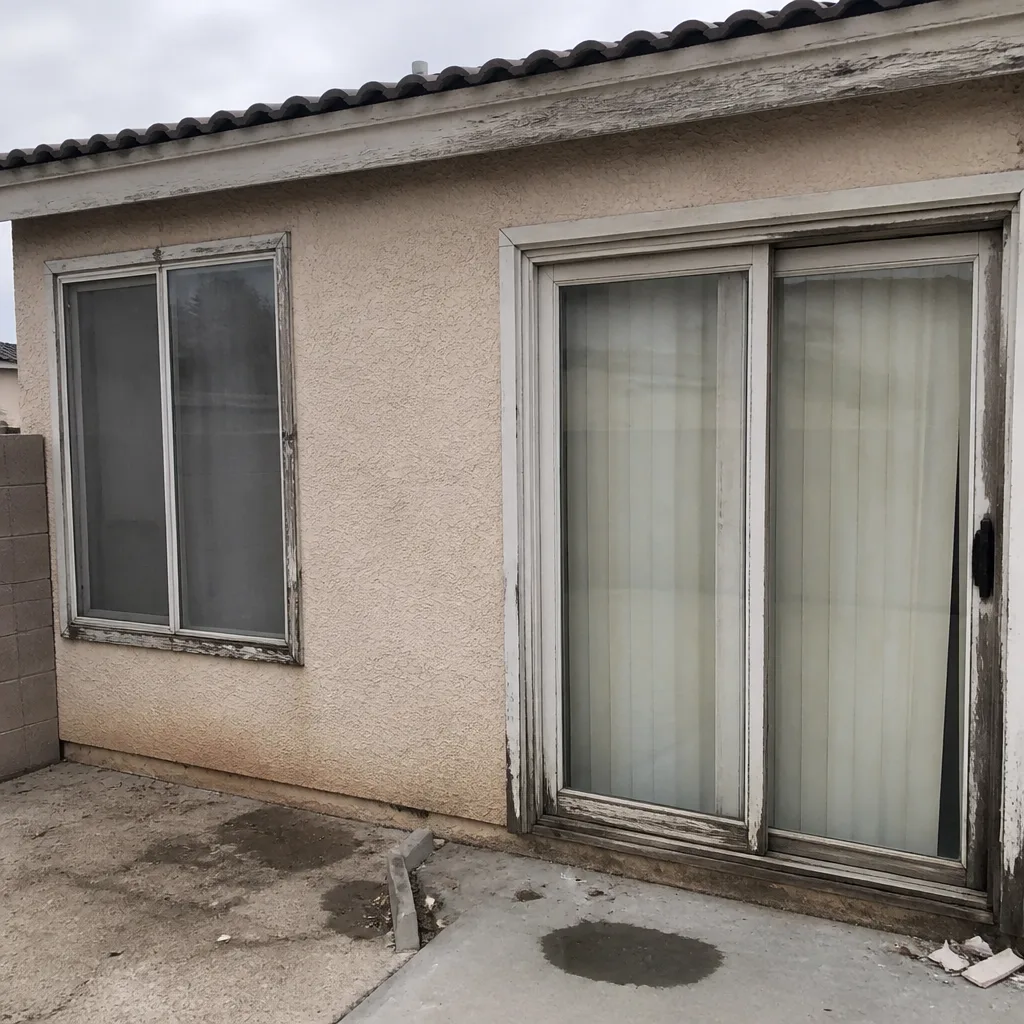 Before
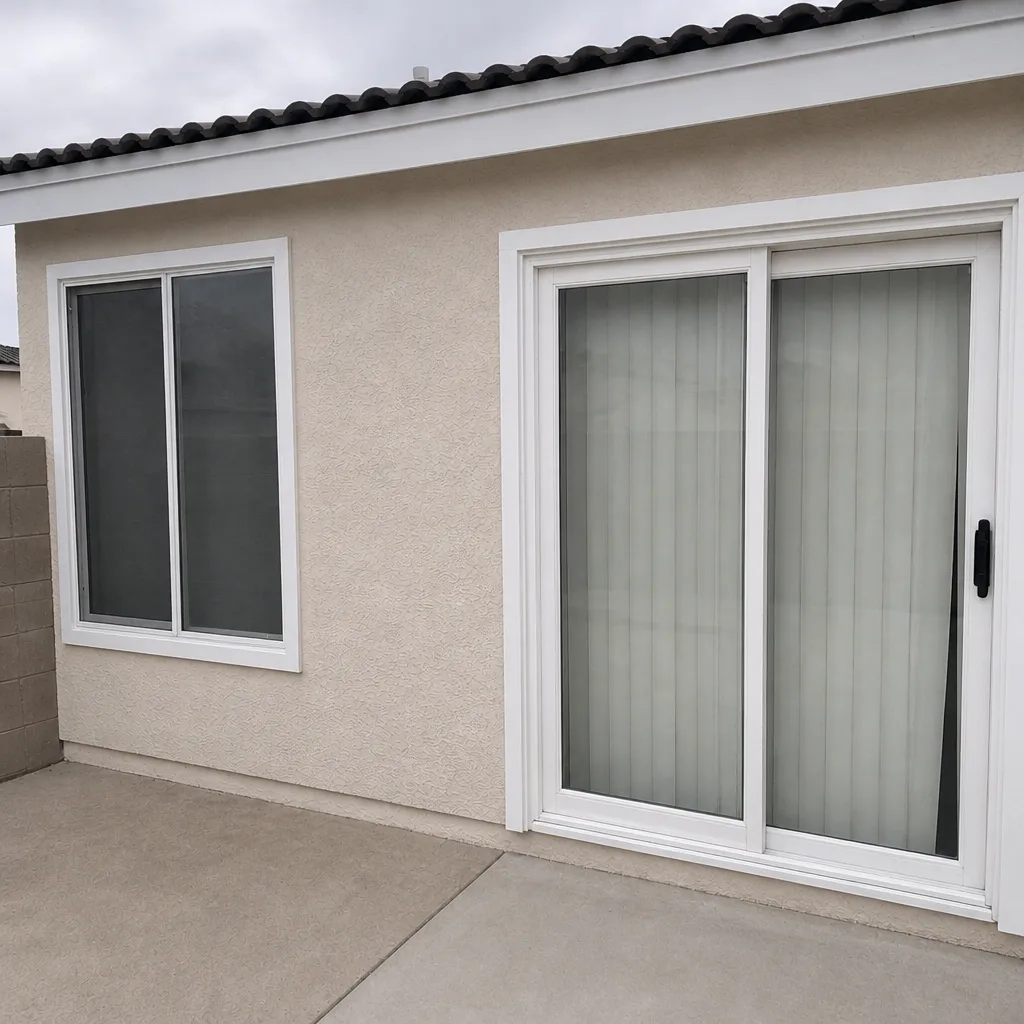 After
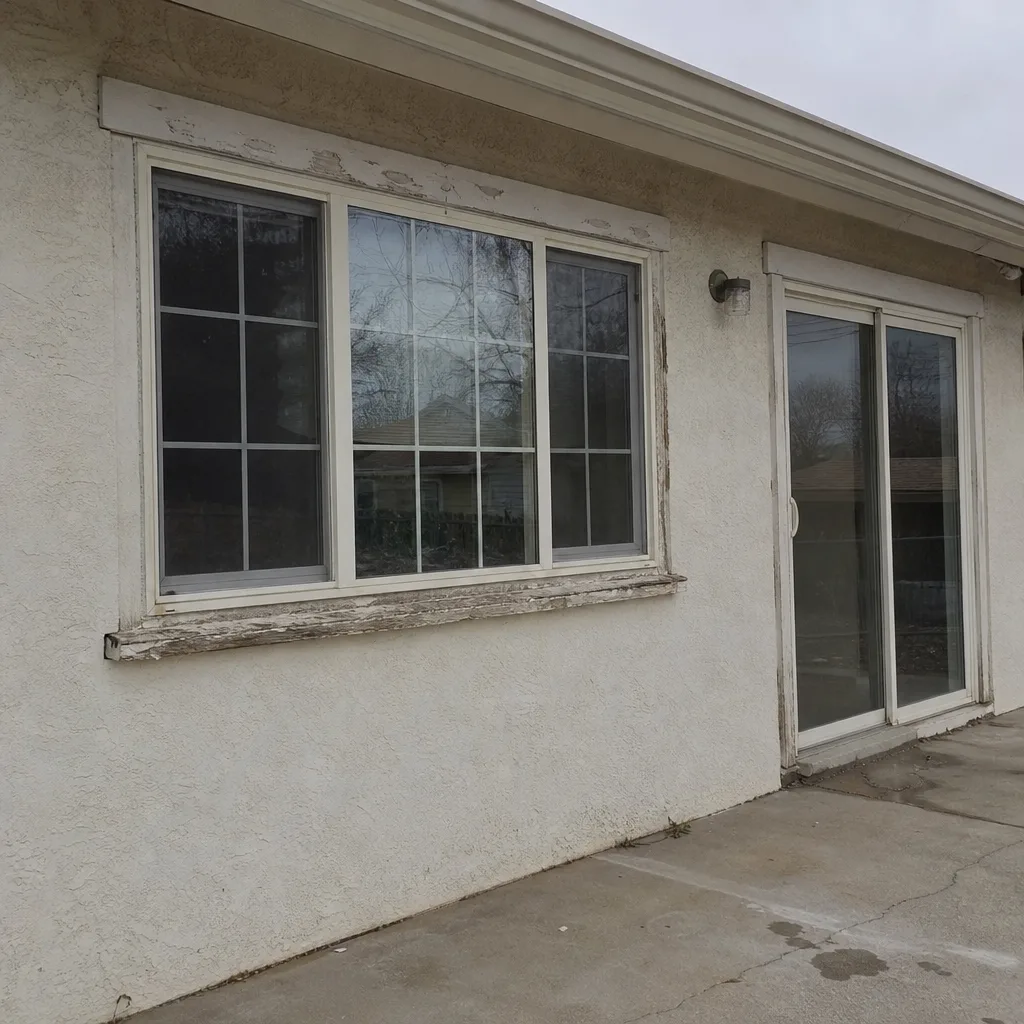 Before
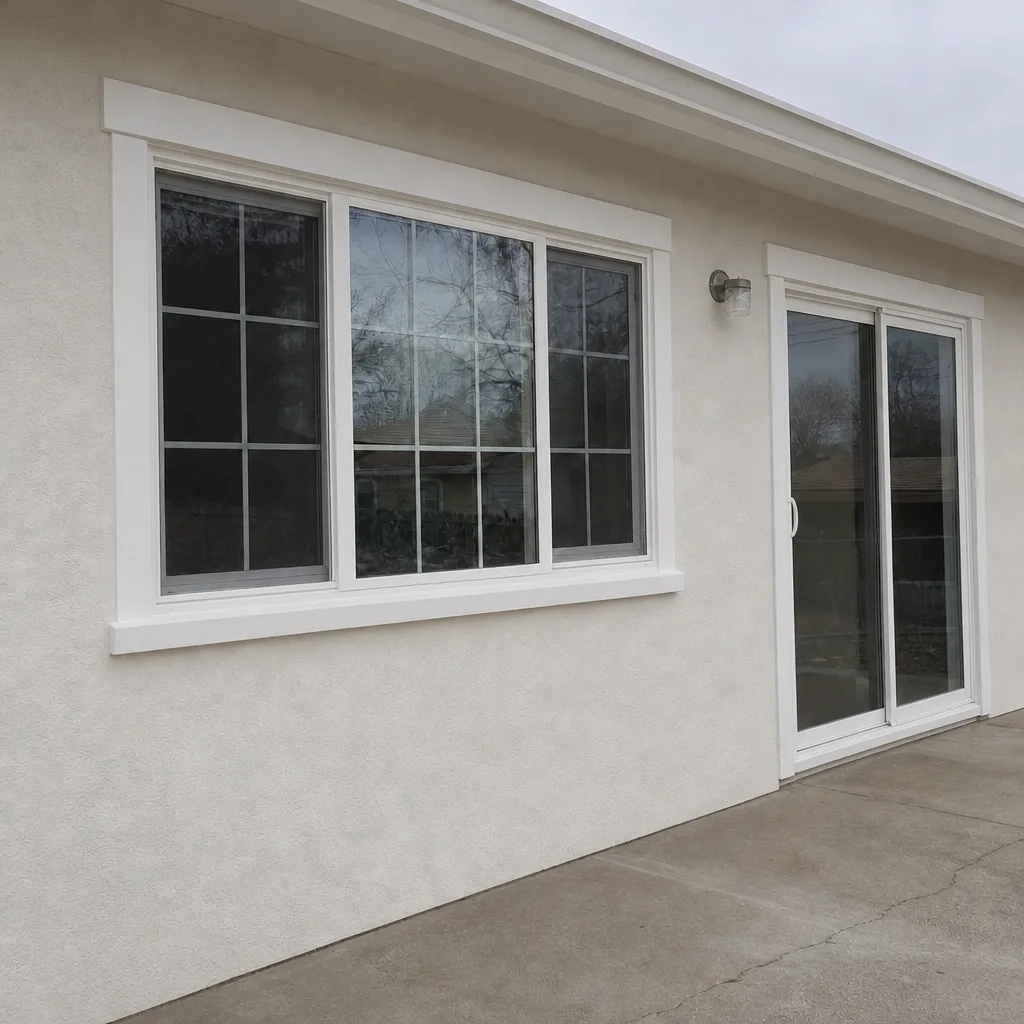 After
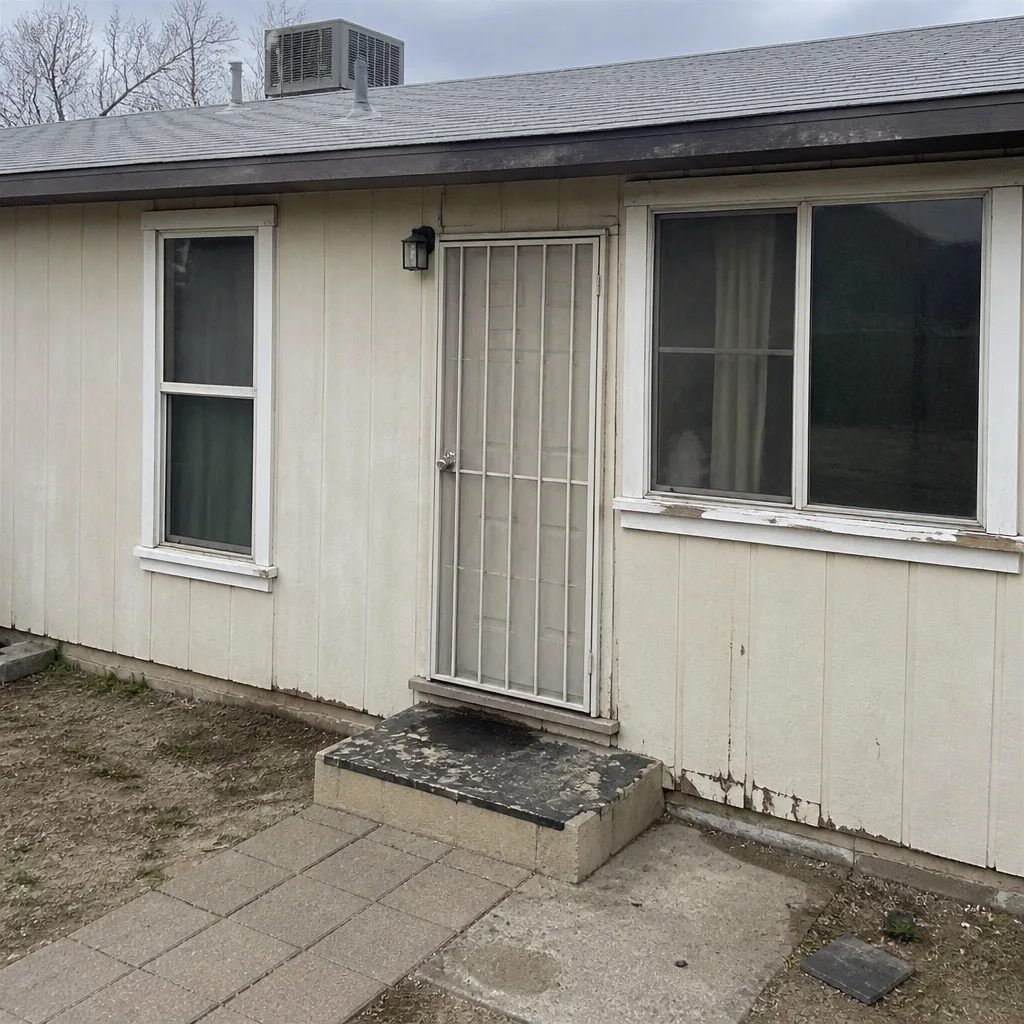 Before
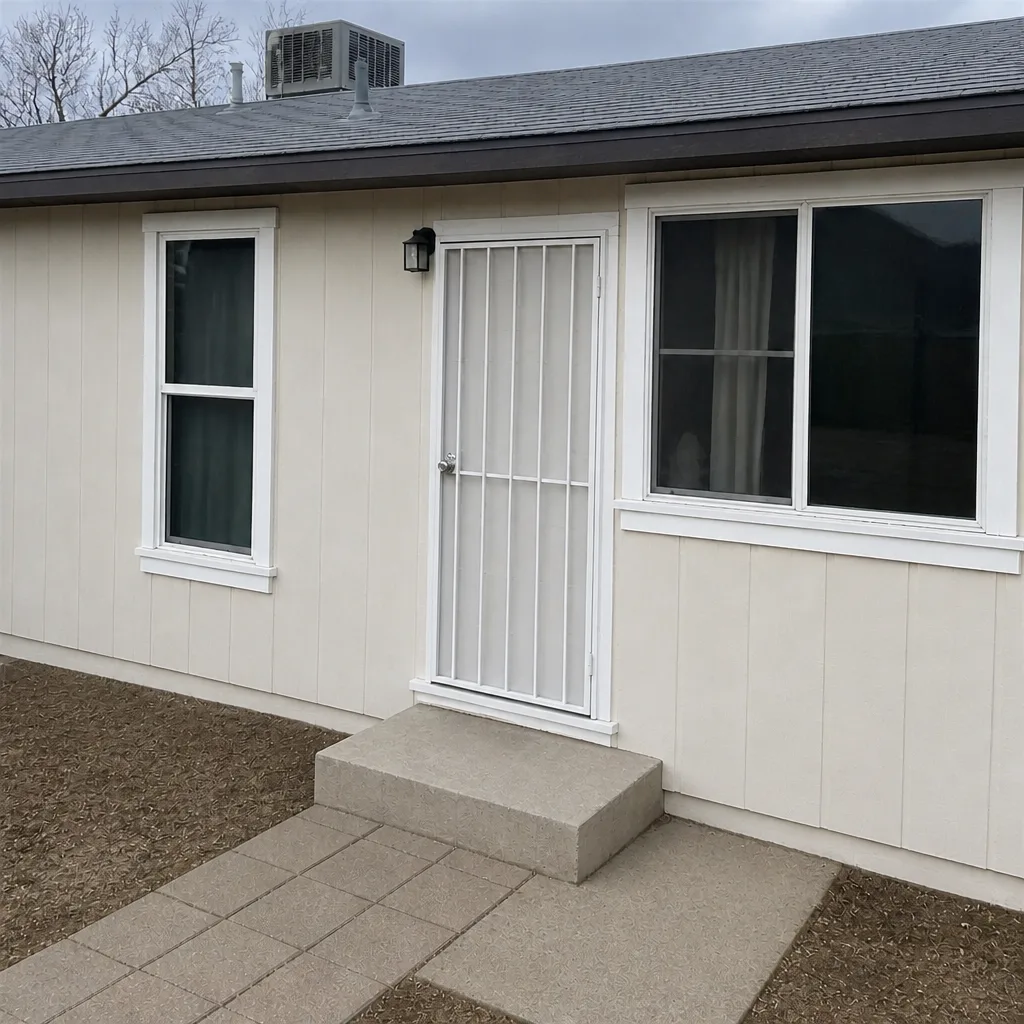 After
When to Call a Professional
Some window problems are DIY-friendly; others aren’t. Call a professional when you see fogging or a water line between the panes, when a draft keeps returning after a repair, when a window won’t open, close, or lock, when there’s any sign of moisture or softness around the frame, or when several windows in the same wall show the same symptom. Those cases need a real diagnosis, not another tube of caulk. Sunrise Manor Windows & Doors offers free estimates in Sunrise Manor. With access to eight manufacturer lines across impact-rated, energy-efficient, and premium entry-door categories, we can match the diagnosis to the right product instead of the other way around. Call (888) 335-0658 to schedule your free estimate. We answer 24/7. Fast dispatch from 7am to 7pm, Sunday through Friday.
Frequently Asked Questions
The evaluation itself is part of a free estimate, and the written estimate sets the final price per job. Call (888) 335-0658 and we’ll set up your free estimate so you know exactly what you’re facing before you commit to any repair.
Yes, if the frame is still sound. A failed seal on the insulated glass unit is often fixable with a new sealed unit (reglazing) while keeping the original frame and sash. If several IGUs have failed in the same frame system or the frame shows damage, replacement may be the better long-term call. We’ll tell you which situation you’re in during the estimate.
Aluminum frames expand and contract a lot with the heat, and over time that movement loosens screws, distorts the sash, and wears out weatherstripping and hardware. The usual fix is adjusting or replacing the affected hardware rather than replacing the window. We work with PGT, CGI, CWS, and ES Windows components and can often source the correct part.
It depends where the draft is. If it comes through the sash edge or the meeting point of sashes, it’s a window-level issue like weatherstripping or a worn latch. If it comes around the frame perimeter or where the window meets the wall, it’s an installation gap. The distinction matters because the warranty coverage is different for each, and the fix is different. Call (888) 335-0658 and we’ll pressure-test it for you.
Repair when the frame is solid and the problem is limited to a failed IGU or worn hardware. Replace when the frame is rotted or distorted, when multiple IGUs are failing across the same bank, or when the surrounding wall shows water damage. If you’re unsure, the estimate is free and the diagnosis will tell you. Call (888) 335-0658 to schedule yours.
No. We give you a written, itemized estimate before work begins, and the estimate sets the final price for the scope described. If something unexpected turns up during the work, we’ll stop and talk to you before proceeding, not surprise you with a different bill. Call (888) 335-0658 for your free estimate.
The Bottom Line
The most valuable window skill in Sunrise Manor isn’t knowing how to fix a window. It’s knowing which problem you actually have before you call anyone. Fogging usually means a failed seal, and a reglaze may be all you need. Drafts at the sash edge point to hardware; drafts around the frame perimeter point to an installation gap, and that distinction determines who’s responsible. Sticking aluminum sashes generally need hardware, not new windows. Water damage and widespread IGU failure are the signals that replacement is the right call. If you’re unsure, the free estimate is the fastest way to sort it out. Call (888) 335-0658. We answer 24/7. Fast dispatch from 7am to 7pm, Sunday through Friday.
Written by the team at Sunrise Manor Windows & Doors.