Last updated November 17, 2026
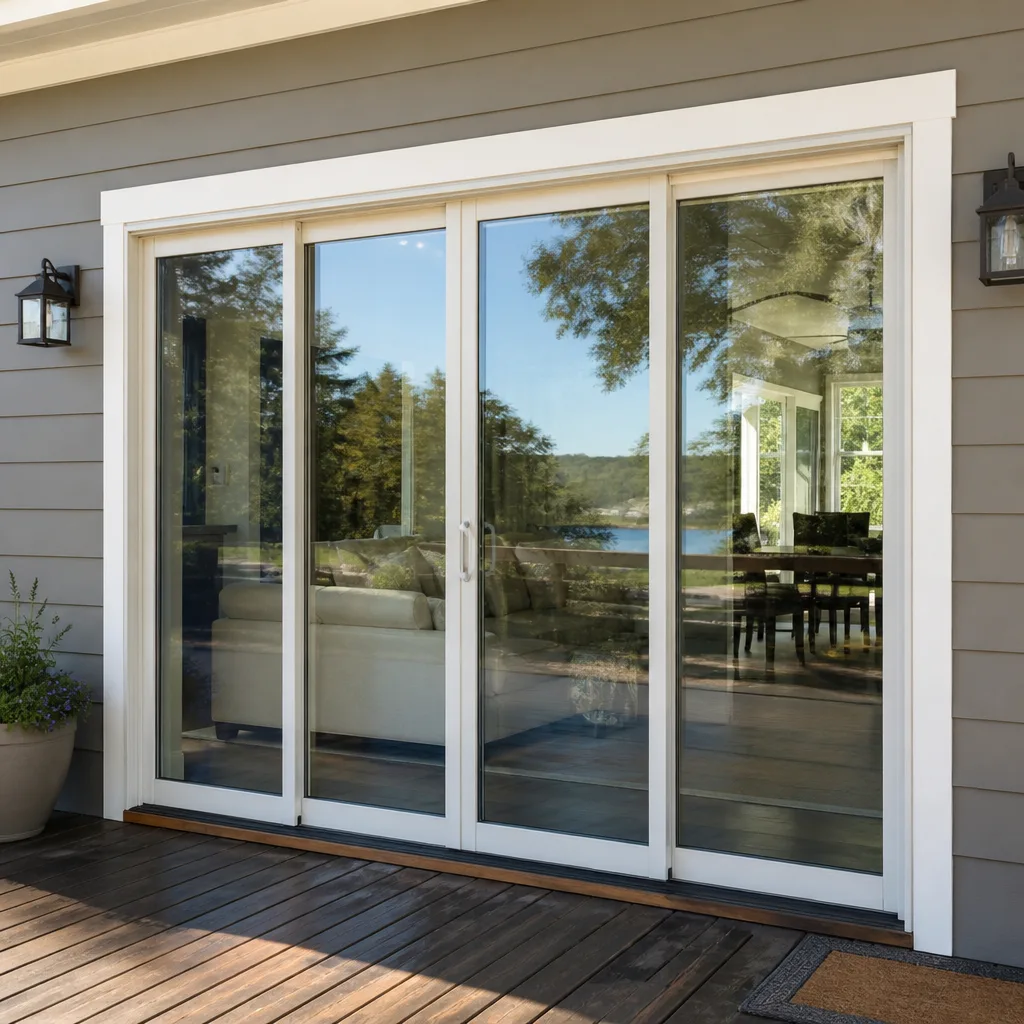 Sliding glass doors
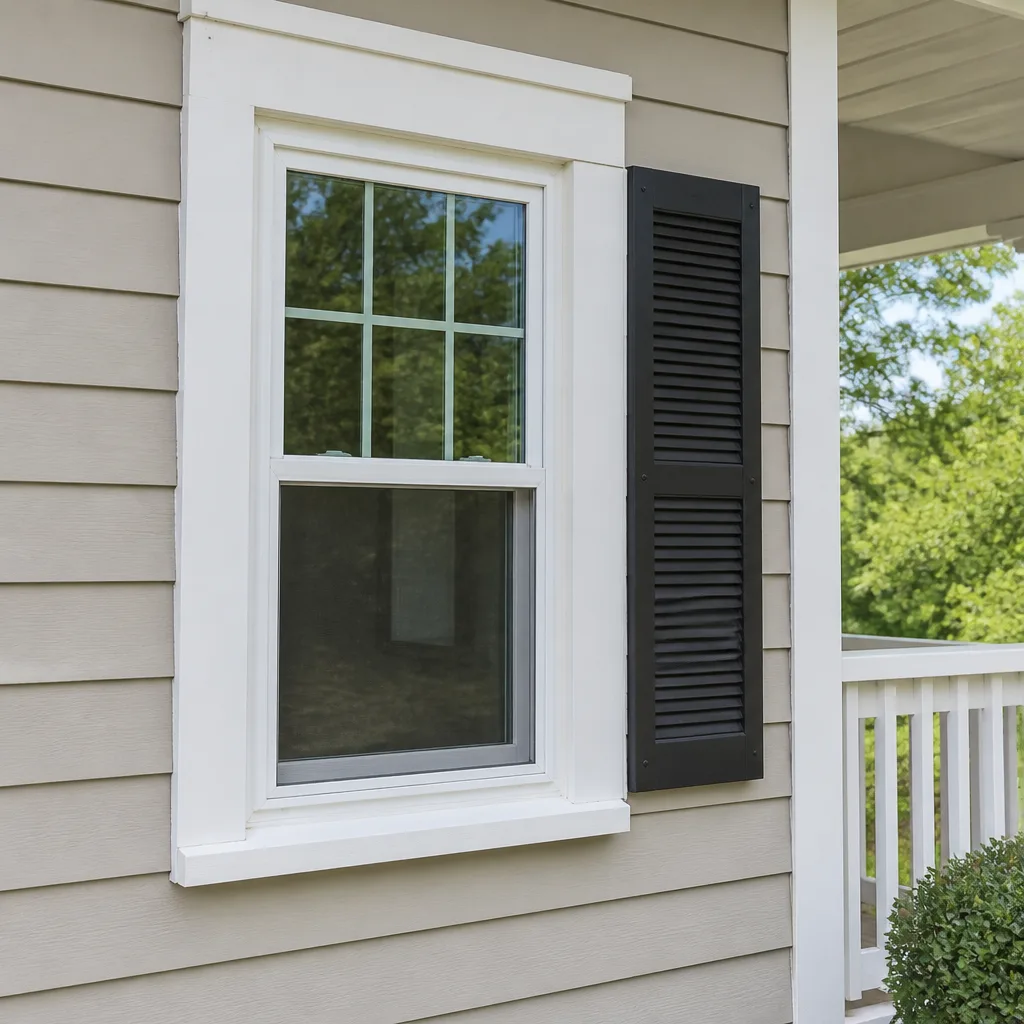 Single hung
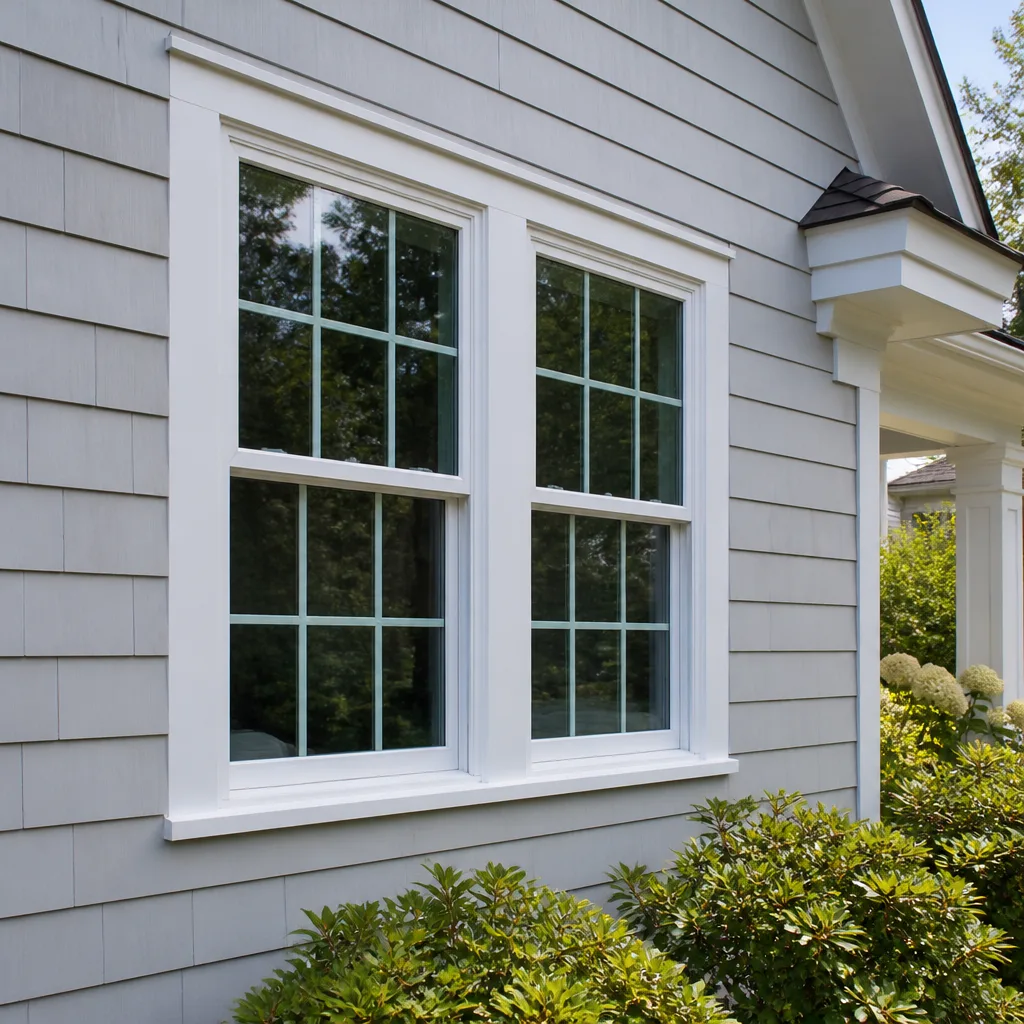 Double hung
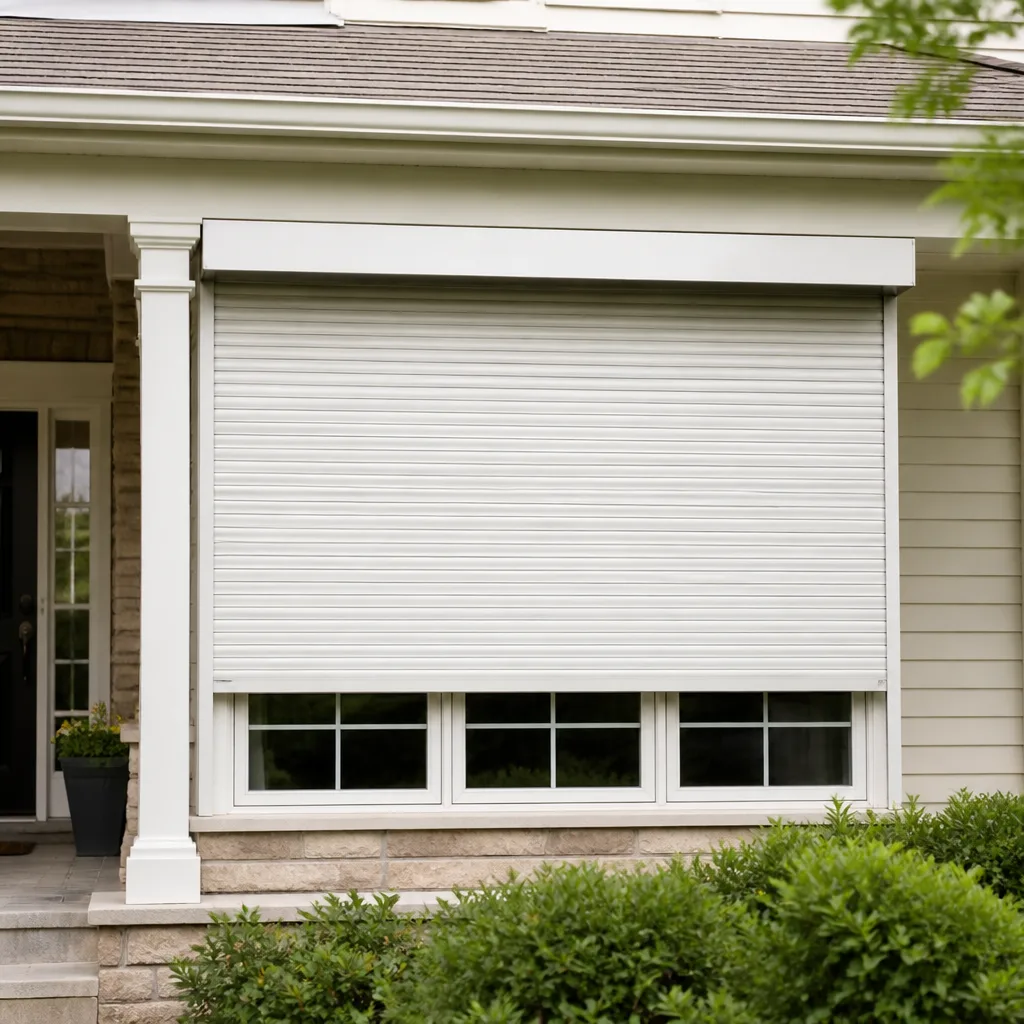 Horizontal roller
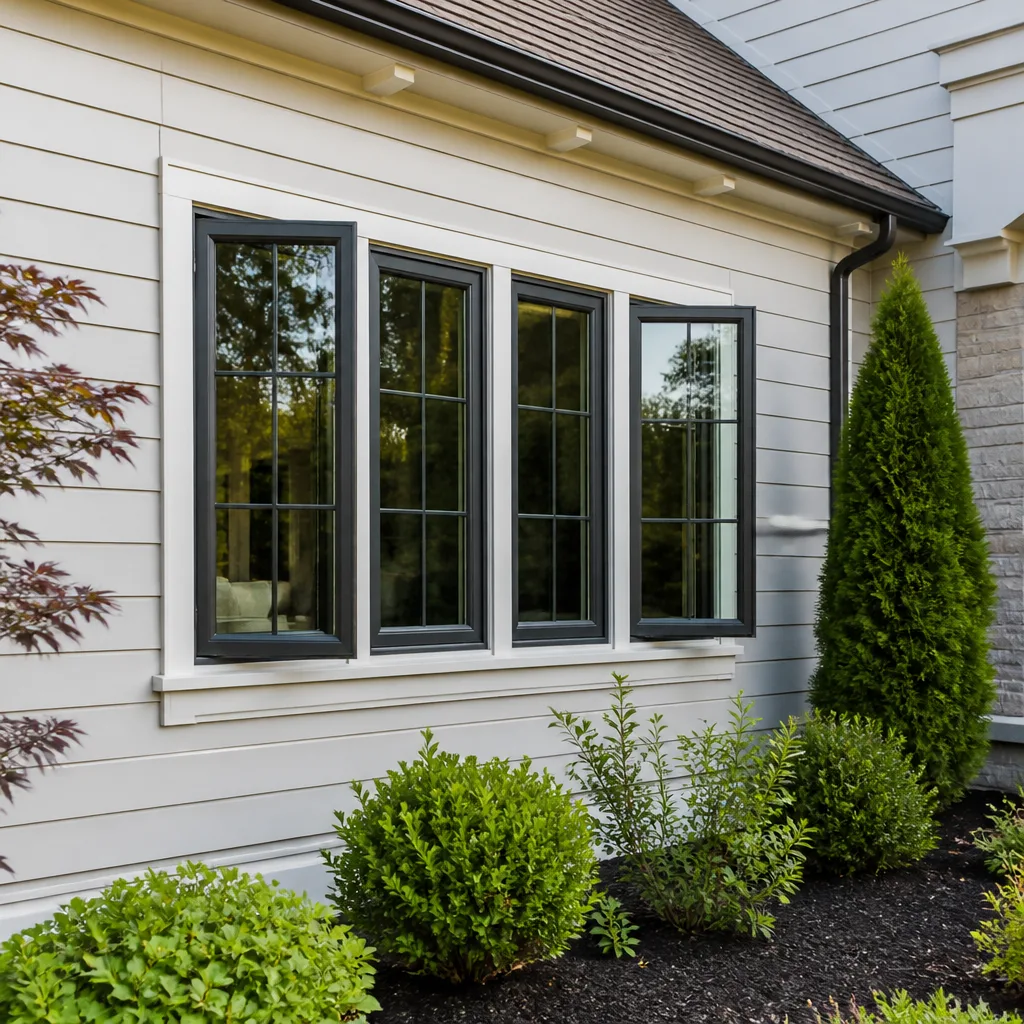 Casement
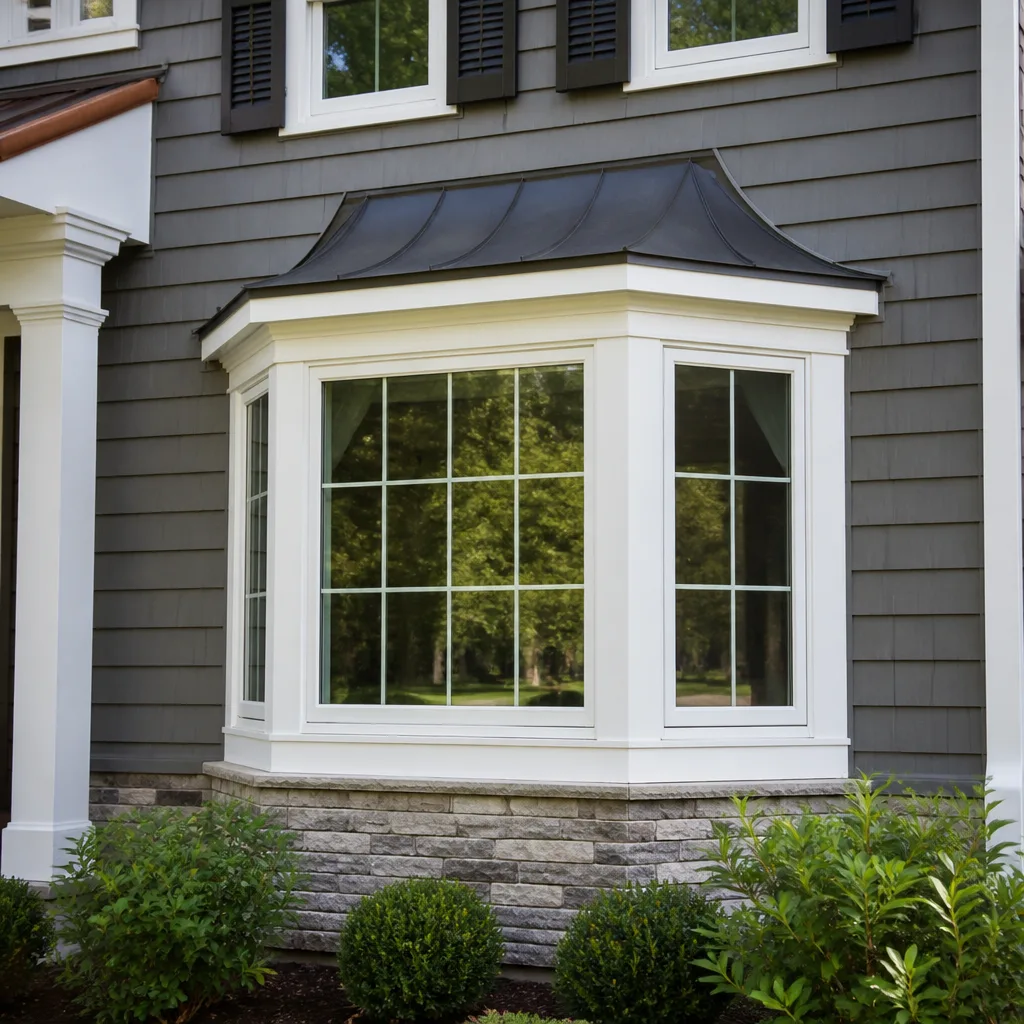 Bay & bow
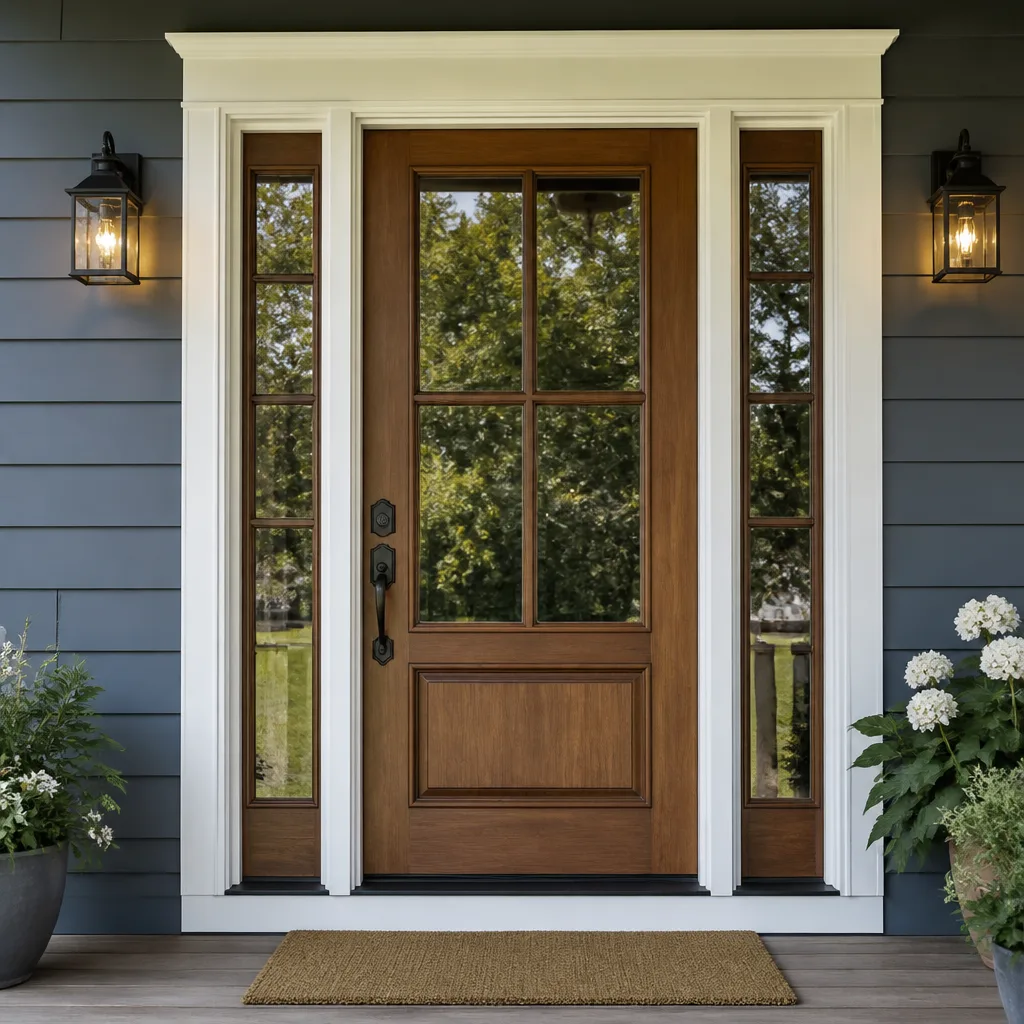 Entry doors
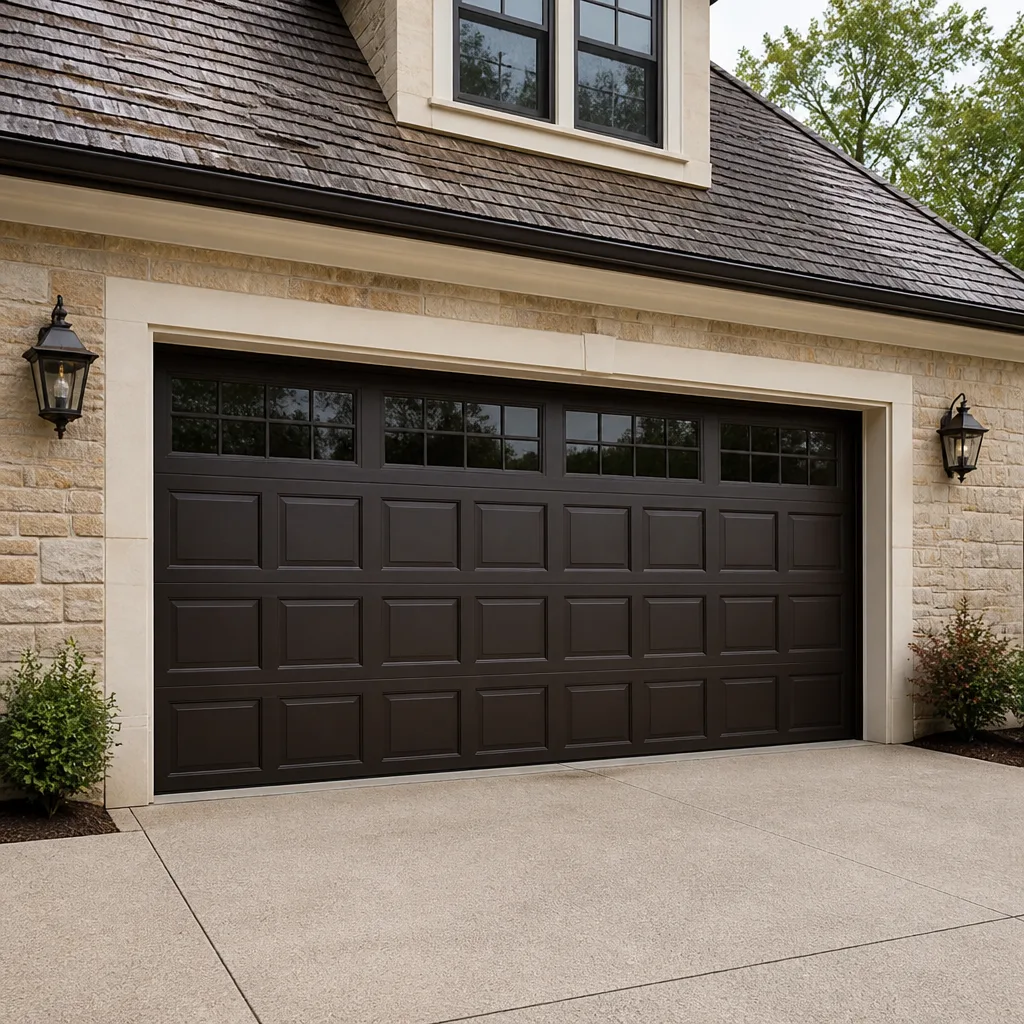 Impact garage doors
 PGT
 CGI
Free in-home measure and quote - PGT, CGI and CWS impact lines compared on your actual openings, style by style
Get your free estimateChoosing the Right Windows & Doors Brand: A Buyer’s Guide for Sunrise Manor
The brand with the biggest advertising budget is rarely the brand that performs best in a Sunrise Manor home. Most window and door buying guides quietly echo manufacturer marketing: glossy durability claims, a “lifetime” warranty headline, a logo you’ve seen on billboards. That’s brand awareness, not brand fit. In the desert Southwest, the specs that actually decide how long a window lasts and how well it performs are rarely the specs in the ad. This guide walks you through what genuinely separates one manufacturer from another here, how to read a warranty like an installer does, and how to pick a brand for your specific project instead of the one a single-dealer showroom happens to stock.
Quick Answer
The right window or door brand for a Sunrise Manor home is the one whose glass package, frame finish, warranty terms, and local parts network match our specific climate – intense sun, big summer temperature swings, and low humidity – and your project’s budget and design goals. No single brand wins across every category. The best results usually come from matching a manufacturer’s strength (impact rating, energy performance, entry-door engineering) to the job, then working with an installer who carries enough lines to recommend honestly.
Styles & brands we work with
- Single hung
- Double hung
- Horizontal roller
- Casement
- Bay & bow
- Sliding glass doors
- Entry doors
- Impact garage doors
- PGT
- CGI
Table of Contents
- The Five Technical Specs That Actually Differentiate Brands Here
- Why Solar Heat Gain and UV Matter More Than U-Factor in Sunrise Manor
- How to Read a Window Warranty (Not Just Its Length)
- The Case for Mixing Brands Across One Project
- Red Flags in the Brand Selection Process
- How to Evaluate a Multi-Brand Installer’s Lineup
- Questions to Ask Before You Commit to a Brand
The Five Technical Specs That Actually Differentiate Brands Here
Most homeowners compare brands on color selection and sticker price. In our experience, five engineering and support factors separate a window that still works well after a decade in the desert from one that doesn’t. Here’s what to focus on.
- SHGC range. Solar Heat Gain Coefficient measures how much solar heat a window lets in. The lower the number in summer, the less your air conditioner has to fight. In Sunrise Manor, a brand offering a genuine range of SHGC options – not one fixed glass package – lets you tune different exposures of the house differently.
- UV warranty on the frame finish. Desert sun breaks down vinyl and paint finishes by ultraviolet exposure. Look specifically at how long the manufacturer warrants the finish against fading, chalking, or checking. A strong glass warranty paired with a weak finish warranty tells you something.
- Certified installer network density. Some manufacturers require certified installers and audit their work. Others sell to anyone. Dense certification requirements mean the brand has a real installation standard, not just a product standard.
- Parts availability. Weatherstripping, hardware, screens, and sash components wear out before the frame does. A brand with an established local distribution channel can supply replacement parts quickly. A brand sold only online or through one distant warehouse can leave you waiting weeks.
- Warranty transferability at resale. If the warranty dies when you sell the house, its value is lower than the headline implies. Transferable coverage is a resale feature worth real consideration.
None of these show up in a showroom display. All of them matter in Sunrise Manor, where windows face unrelenting sun and long dry summers. When we evaluate a brand for our lineup, these are the categories we actually weigh.
Why Solar Heat Gain and UV Matter More Than U-Factor in Sunrise Manor
National window marketing leans hard on U-factor, which measures how well a window stops heat from escaping. That’s a cold-climate metric. In the desert Southwest, the dominant performance question is the opposite: how much heat does the window admit? Solar heat gain and ultraviolet exposure drive comfort and cooling cost here, so a brand’s desert-specific glass options deserve more weight than its U-factor headline.
What to compare:
- SHGC options by exposure. A west-facing wall in Sunrise Manor takes a brutal late-afternoon solar load. A brand that gives you a lower-SHGC glass for that side and a slightly higher one for shaded north elevations is offering more control than a brand with a single standard package.
- Low-E coating variety. Different low-E products manage the solar spectrum differently. Ask what solar-management coatings the manufacturer offers, not just whether low-E is available.
- UV transmission figures. For interiors, UV transmission matters. Carpets, wood floors, art, and furniture are all sun-exposed here. A brand that publishes UV transmission data is more transparent than one that only prints “UV protection.”
- Frame finish stability. Vinyl, fiberglass, and aluminum all behave differently under sustained UV. Ask how the finish is warranted against sun damage specifically.
Energy-efficiency-focused lines like ECO Window Systems and ES Windows exist precisely because climate-specific glass packages matter. A product engineered for cooling-dominated climates can outperform a nationally advertised brand optimized for a mixed or heating climate. For a closer look at getting the glass package right during installation, see our guide to window installation.
How to Read a Window Warranty (Not Just Its Length)
Two brands can both print “lifetime,” and the actual coverage can be wildly different. A warranty is a legal document, and the value is in the exclusions and the pro-rating, not the term. Here’s how to read one like someone who deals with it after installation.
- Read what’s excluded first. Exclusions often cover what actually fails – labor, screens, hardware, finish fading, glass breakage, or damage from heat or improper cleaning. A warranty that excludes the parts most likely to wear is shorter in practice than its headline.
- Look for pro-rated language. A “pro-rated after year 5” clause means the manufacturer’s payout shrinks over time. Full coverage for the whole term and declining coverage after a few years are entirely different products.
- Check who performs warranty labor. If the manufacturer pays for parts but not labor, you may still pay for the removal and reinstall. Ask who covers that.
- Confirm transferability. Does coverage transfer to a new owner when you sell? Is there a fee or a deadline to register the transfer?
- Check the finish warranty separately. Glass, frame, and finish usually have different terms. A strong glass term with a weak finish term is a red flag in this climate.
- Read the installation requirements. Many manufacturers void coverage if the window wasn’t installed to their spec. This is why a certified installer matters – the warranty depends on it.
We’ve found the practical test is simple: ask the seller to point to the exact clause that covers labor, glass, finish, and transfer, in writing. A brand confident in its warranty will do that without hesitation.
The Case for Mixing Brands Across One Project
Some homeowners assume buying everything from one manufacturer is safer. Sometimes it is. But for many projects, matching a specialist brand to each opening produces a better result than forcing one brand across the whole house.
Consider the common mix. A performance-first buyer may want impact-rated lines like PGT, CGI, or CWS for the windows. Entry doors are a different engineering problem entirely – fiberglass and steel door construction, weather sealing, and hardware are their own discipline. Therma-Tru fiberglass entry doors are engineered specifically for that job, and a dedicated door manufacturer often out-performs a window brand’s door line. Similarly, design-forward buyers may prefer a brand like ViewLux or Mr-Glass for certain openings where the aesthetic leading edge matters more than raw thermal numbers.
When a single-brand approach genuinely helps:
- Uniform aesthetics. If a matched look across every window is the priority, one manufacturer’s product family makes that simpler.
- Streamlined ordering and delivery. Fewer vendors means less scheduling friction on a large project.
- One warranty contact. Some homeowners prefer a single point of accountability for warranty questions.
The key is that the decision should follow your project’s needs, not a manufacturer’s incentive program. A brand-agnostic installer can lay out both paths honestly. For the full picture on coordinating replacement across a whole home, see window replacement.
Red Flags in the Brand Selection Process
Most brand-selection mistakes aren’t made in the showroom. They’re made in the conversation before it, when a recommendation is shaped by something other than fit. Watch for these.
- Installer incentive programs that reward volume. When a dealer’s support depends on pushing a certain number of units, the recommendation tilts toward the manufacturer’s sales goals, not your project. Ask how brands are chosen and whether volume incentives exist.
- Discontinued product lines. A brand that quietly discontinues models leaves you hunting for hardware and sash parts years later. Ask how long the current line has been in production and how parts continuity is handled.
- No local distribution. A brand with no established distribution channel in the region extends lead times and makes warranty service slower. Local distribution is a support commitment, not a marketing detail.
- “One brand fits everything” pitches. Any installer who recommends the same manufacturer for a wall of windows and a front entry door is not matching product to problem.
- Warranty documents you can’t read before signing. If the actual warranty isn’t provided in writing up front, that’s a signal.
- Pressure to decide on the brand before the project requirements are written down. Brand choice should come after measuring, exposure assessment, and budget, not before.
We’ve seen all six. None of them is a product flaw – they’re process flaws, and they’re the ones that cost homeowners in the long run.
How to Evaluate a Multi-Brand Installer’s Lineup
Carrying several brands doesn’t automatically mean real expertise. Badge collecting – stocking a long lineup without knowing which product suits which project – is common. The test is whether the installer can explain why each brand is on the list and which projects it fits.
Questions that separate genuine expertise from a catalog:
- “Why do you carry this brand?” A real answer names a product strength – impact rating, energy performance, door engineering, design options. A vague answer means it’s a margin decision.
- “Which projects is this brand best for, and which is it worst for?” Every brand has a weak spot. An honest installer names it.
- “How does this brand compare to the one next to it on the shelf?” If the installer can’t compare two brands directly, the lineup is decoration.
- “What’s the parts and warranty support like locally?” Depth of support matters more than depth of catalog.
- “Do you install everything in-house, or is some of it subbed out?” Coordination is where quality leaks. A specialist handling all exterior openings under one team keeps the standard consistent.
A lineup with eight brands – spanning impact-rated lines like PGT, CGI, and CWS, energy-focused lines like ECO Window Systems and ES Windows, and entry doors like Therma-Tru – is only valuable if the installer can talk through each one in detail. That’s what to listen for.
Questions to Ask Before You Commit to a Brand
Once you’ve narrowed the field, a short list of direct questions resolves most of the remaining risk. Ask them in writing and keep the answers.
- “What’s the SHGC of the glass package you’re proposing for this exposure?” You want a number, not a marketing phrase.
- “Is this model current, and how long has the line been in production?” Continuity of parts matters.
- “Can I see the full warranty document before signing?” Not a summary – the document.
- “Does the warranty transfer if I sell?” Confirm terms and any registration requirements.
- “Who handles warranty labor – you or the manufacturer?” This decides your actual out-of-pocket risk.
- “Is the installer certified by the manufacturer?” Certification is often a warranty condition.
- “What’s the lead time for this brand right now?” Local distribution density shows up here.
Homeowners who ask these seven questions before committing almost never end up with the wrong product for their home. The answers chart the difference between brand awareness and brand fit.
Common Mistakes to Avoid
- Choosing by advertising recall. The brand you remember from billboards is optimized for awareness, not for desert performance. Compare specs for your exposure, not logo recognition.
- Reading only the warranty length. A “lifetime” term hides pro-rated language and exclusions. Read the exclusions and the after-year-five terms before you sign anything.
- Ignoring SHGC in a cooling climate. U-factor is what national copy pushes; solar heat gain is what actually governs comfort in Sunrise Manor. Get the SHGC number for the specific glass on your west and south faces.
- Letting one brand’s door line win the whole house. A window brand’s entry door is often weaker than a dedicated door manufacturer like Therma-Tru. Match the door to a door specialist.
- Splitting the work across too many contractors. Windows and doors done by separate installers means the exterior openings get coordinated by you. One specialist handling all exterior openings keeps the standard consistent.
- Overlooking parts availability. Hardware and weatherstripping fail first. A brand with no local distribution can leave you waiting for parts.
- Locking in a brand before the project is scoped. Brand choice should follow the exposure assessment and budget, not precede it. Measure first, match the brand to the project.
See the difference
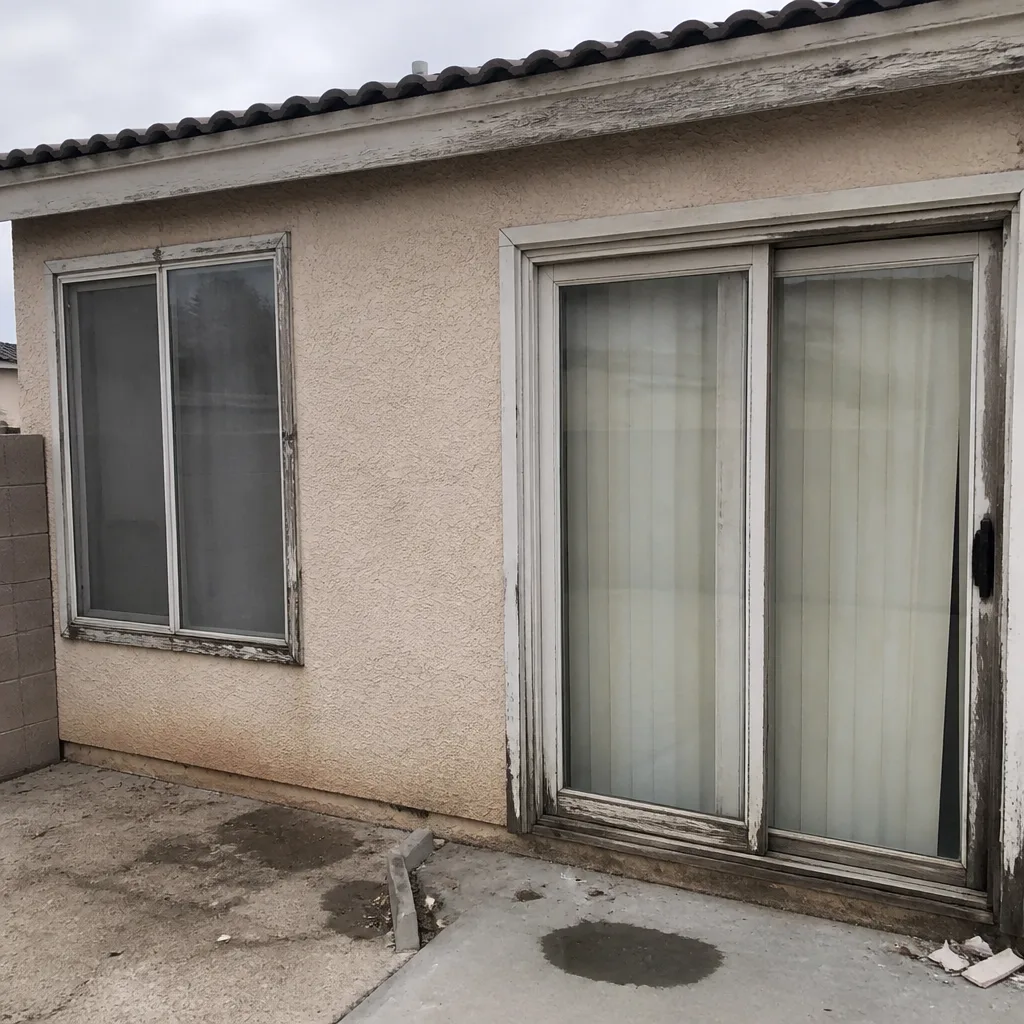 Before
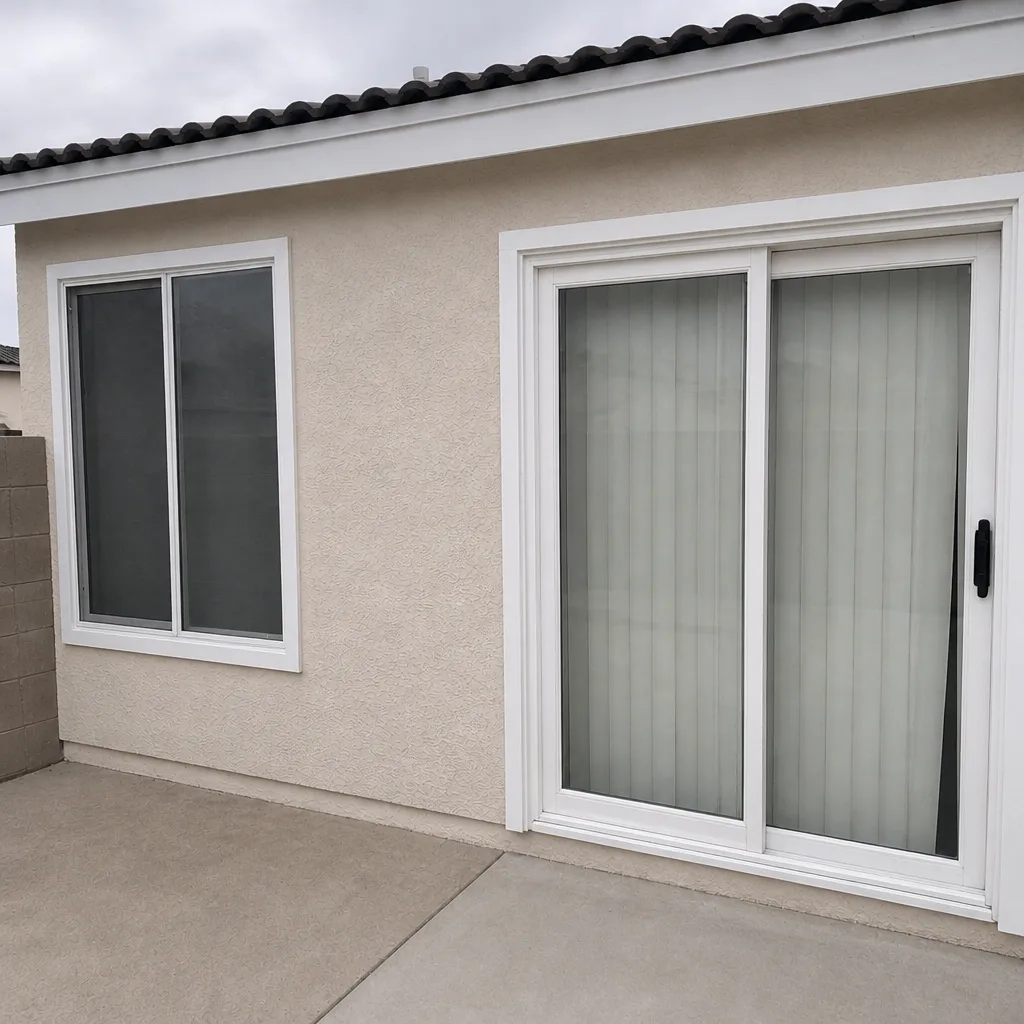 After
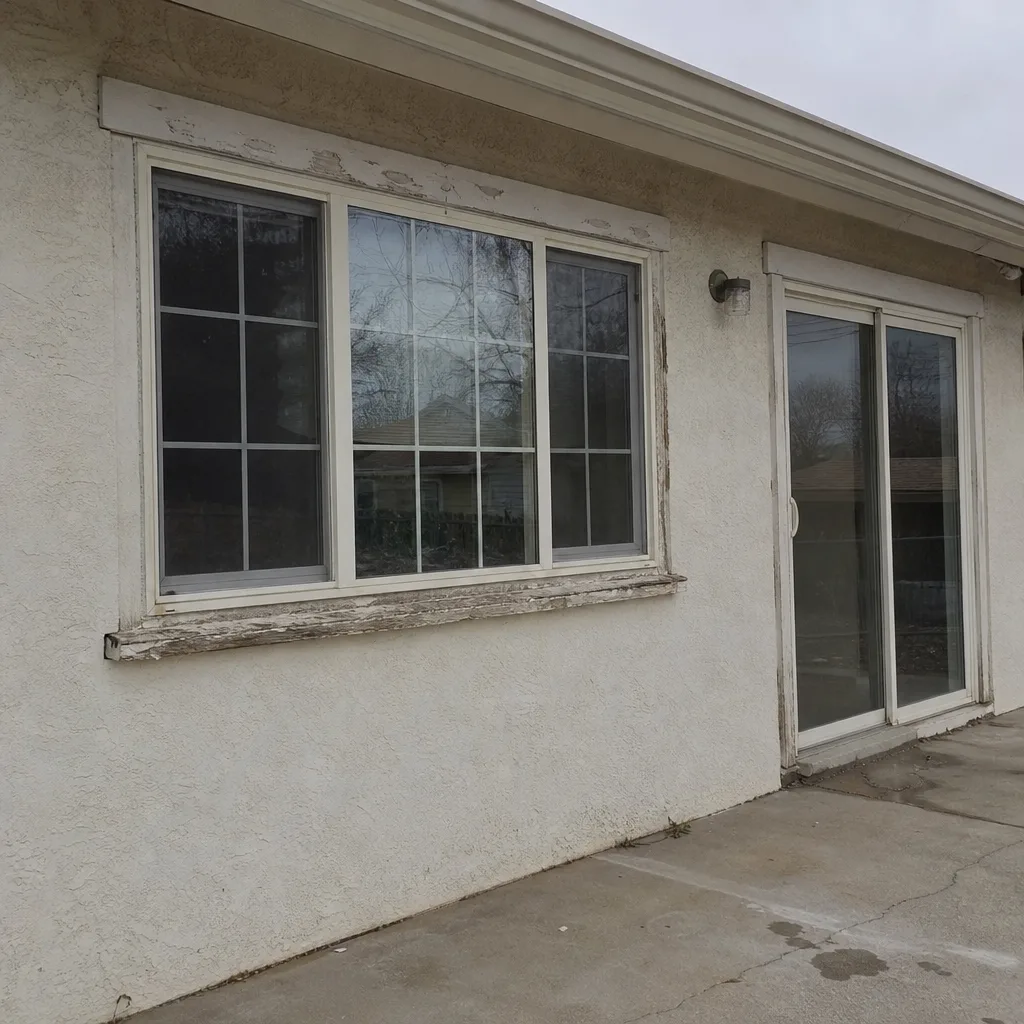 Before
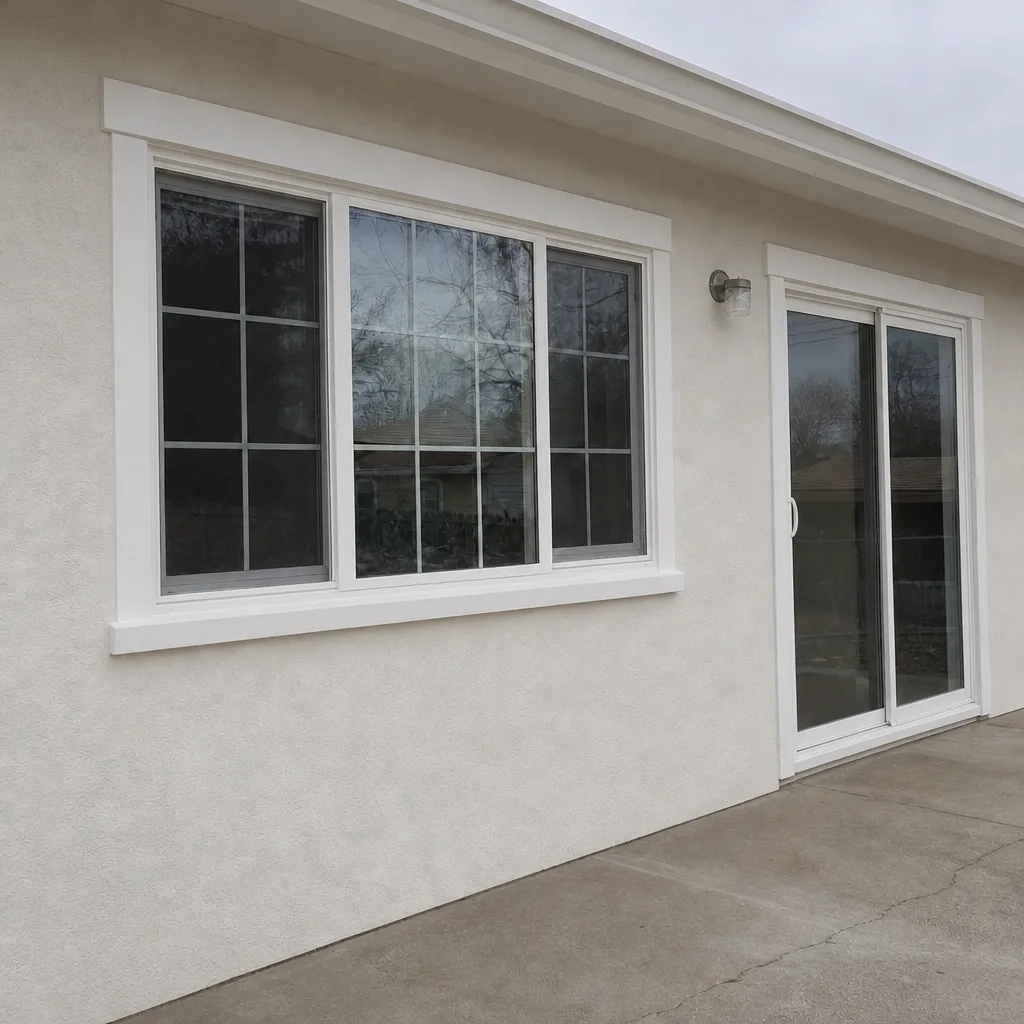 After
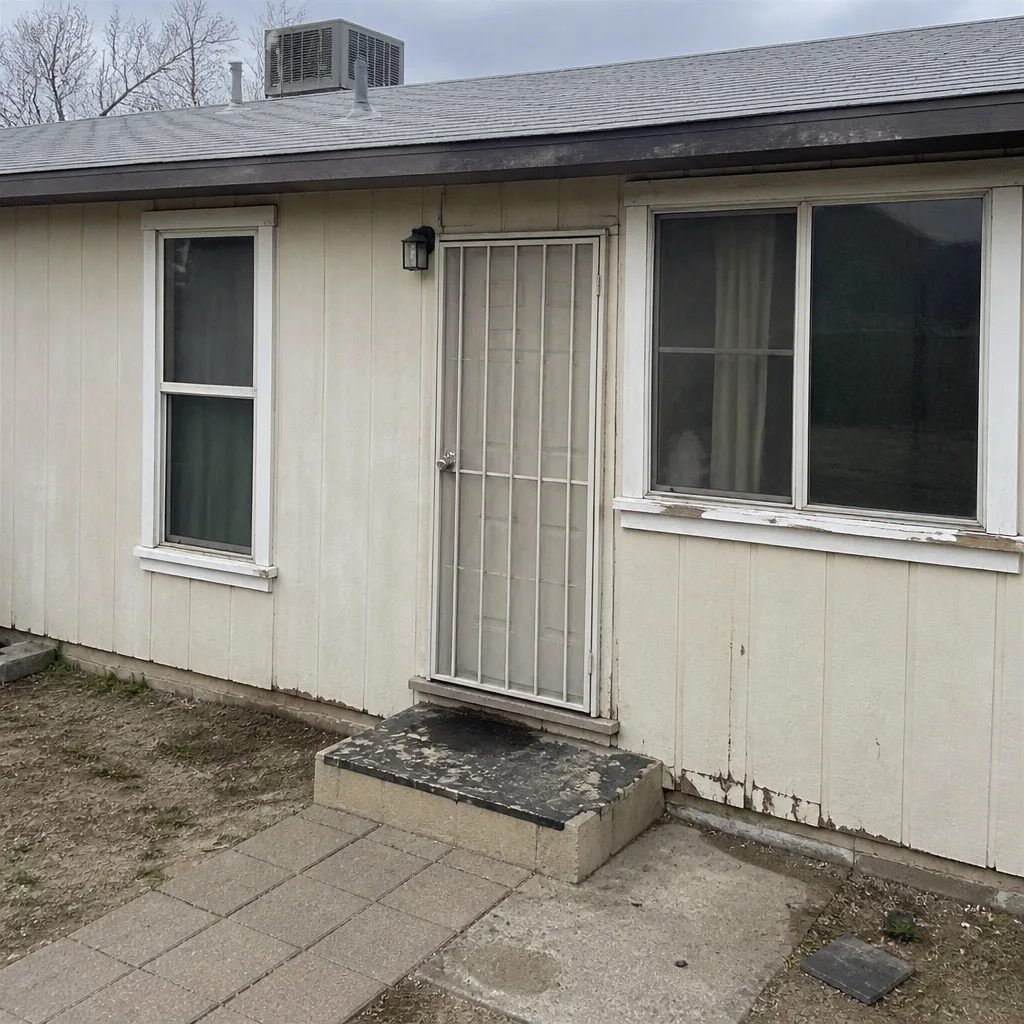 Before
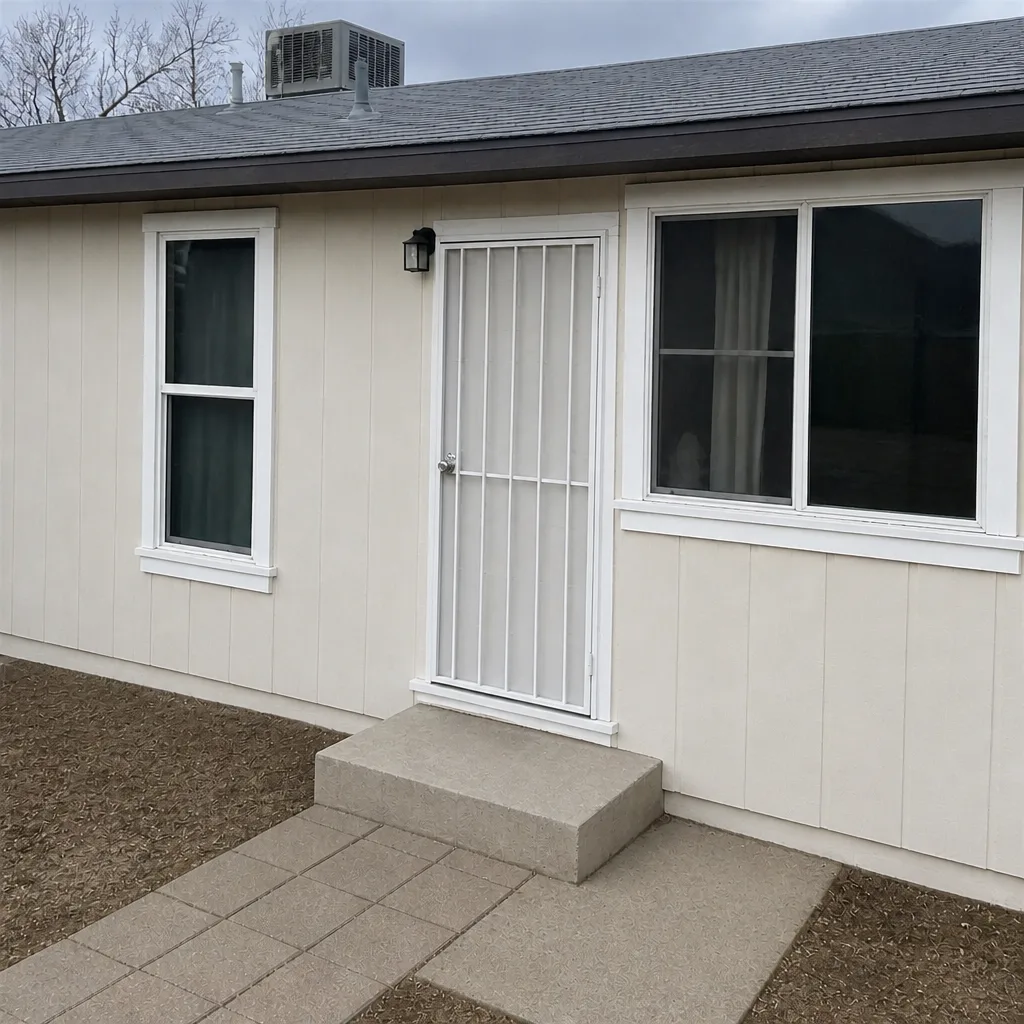 After
When to Call a Professional
Some decisions are safe to research yourself. Brand selection across a full home’s exterior openings is not one of them, because the choice depends on exposure, window by window, and on specs buried in documents. Call a professional when you’re evaluating more than a single opening, when you’re mixing impact-rated and energy-efficient lines for different faces of the house, when you’re pairing replacement windows with new entry doors, or when a manufacturer’s warranty conditions determine the installer you can hire. Call when the brand’s local distribution and parts support are unclear. And call when you’re ready for a written, line-item quote that matches each brand to each opening. Sunrise Manor Windows & Doors offers free estimates in Sunrise Manor – call (888) 335-0658.
Frequently Asked Questions
There’s no single best brand – the right choice depends on the exposure, budget, and design goals of each opening. For impact-rated performance, brands like PGT, CGI, and CWS are strong contenders; for energy performance in our climate, ECO Window Systems and ES Windows deserve a close look; for entry doors, a dedicated manufacturer like Therma-Tru usually outperforms a window brand’s door line. Call (888) 335-0658 for a free estimate and we’ll match brands to your specific openings.
SHGC measures solar heat gain, which determines how much cooling load the sun adds through the glass – the dominant performance issue in our cooling-dominated climate. U-factor describes heat loss, which matters more in cold climates. Ask for the SHGC of each proposed glass package by exposure. Call (888) 335-0658 to review your glass options with us.
No – two “lifetime” warranties can be materially different once you read the exclusions and pro-rating clauses. Look at what’s excluded, when coverage starts to pro-rate, whether labor is included, and whether the warranty transfers at resale. Request the full document before signing. Call (888) 335-0658 for a free estimate and we’ll walk through the warranty language with you.
Not necessarily. Entry door construction is a different engineering discipline from window construction, and a dedicated entry-door manufacturer often outperforms a window brand’s door line. Mixing brands is fine when each product is matched to its job. Call (888) 335-0658 and we’ll lay out which brands fit each opening in your home.
Ask them to explain why each brand is carried, which projects each is best for, and what each one’s weak spots are. An installer who can compare brands directly and name weaknesses has real expertise; one who can’t is badge collecting. Call (888) 335-0658 for a straight comparison.
Yes – hardware, weatherstripping, and screens wear out before the frame, and parts availability depends on local distribution. A brand with a solid local distribution channel can supply replacement parts quickly; a brand without one can leave you waiting. Ask about parts support before committing. Call (888) 335-0658 for a free estimate and we’ll cover parts support for each brand on your list.
The Bottom Line
Brand awareness and brand fit are not the same thing. In Sunrise Manor, the specs that decide long-term performance are SHGC options, UV stability of the frame finish, installer certification, parts availability, and warranty transferability – none of which appear on a billboard. Read the warranty as a legal document, not a marketing line. Match each opening to the manufacturer’s actual strength, and mix brands where a specialist wins. Then choose the installer based on how clearly they can explain their lineup. Eight brands, one installer, and honest product matching get you there faster than a single-brand pitch. Call (888) 335-0658 for a free estimate. We answer 24/7. Fast dispatch from 7am to 7pm, Sunday through Friday.
Written by the team at Sunrise Manor Windows & Doors.