Last updated November 17, 2026
 Single hung
 Double hung
 Horizontal roller
 Casement
 Bay & bow
 Sliding glass doors
 Entry doors
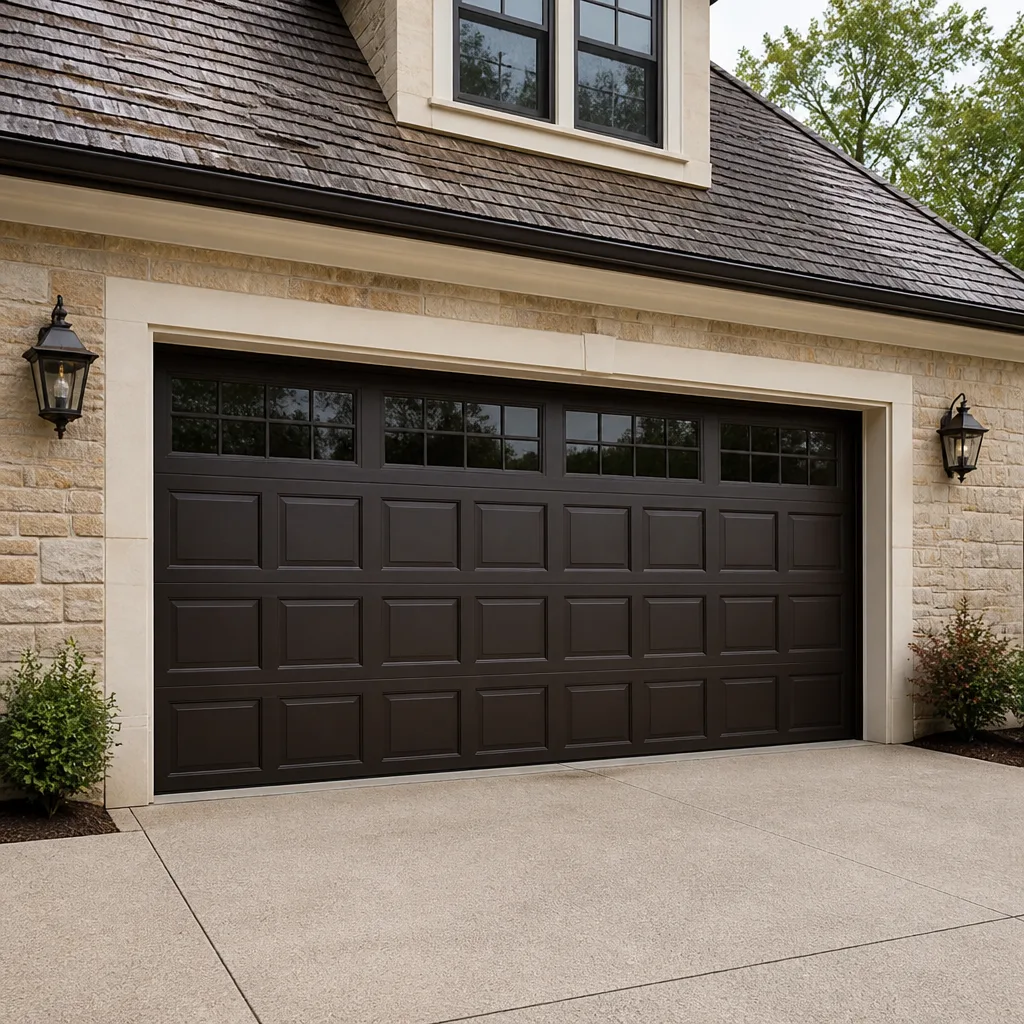 Impact garage doors
 PGT
 CGI
Free in-home measure and quote - PGT, CGI and CWS impact lines compared on your actual openings, style by style
Get your free estimateWindow Replacement Maintenance Checklist for Sunrise Manor Homeowners
Ask a Sunrise Manor homeowner what window maintenance means and you’ll usually hear the same two things: recaulk the frame and wipe up condensation. Both matter. Neither is the problem that actually ends a window’s life out here. In the valley, the failures that matter are driven by relentless sun, the daily expansion and contraction cycle that comes with desert temperature swings, and mineral-heavy water that leaves a film most people mistake for dust. This checklist is built around those three forces. By the end you’ll know how to clean without damaging a coating, how to clear drainage channels in a wind-blown climate, when hardware needs attention, and how to document a window so a warranty claim still holds up years down the road.
Quick Answer
The best window maintenance routine for a Sunrise Manor home is a twice-yearly inspection built around desert failure modes: a mineral-safe cleaning protocol for glass and frames, a check of weep holes and drainage channels for wind-blown debris, a hardware and weatherstripping review timed to the summer cooling season and the winter wind season, and photo documentation kept from the day of installation onward. Wash away mineral deposits before they etch, clear drainage before the rainy season, and record condition at every stage so warranty coverage stays supportable.
Styles & brands we work with
- Single hung
- Double hung
- Horizontal roller
- Casement
- Bay & bow
- Sliding glass doors
- Entry doors
- Impact garage doors
- PGT
- CGI
Table of Contents
- Why a Desert Window Checklist Looks Different
- The Hard-Water Cleaning Protocol That Won’t Scratch Glass or Frames
- Inspecting Weep Holes and Drainage Channels in a Wind-Blown Climate
- UV, Weatherstripping, and the Warranty Timeline Gap
- The Twice-Yearly Hardware Check Timed to Real Seasons
- Documenting Condition at Installation
- A Seasonal Walkthrough, End to End
- Common Mistakes to Avoid
- When to Call a Professional
Why a Desert Window Checklist Looks Different
Most window maintenance guides are written for temperate climates where rain is frequent, humidity is high, and the enemy is rot. In Sunrise Manor, the enemy list is shorter but sharper. Moisture intrusion from rain is rare. What’s constant is ultraviolet exposure, and what’s daily is thermal cycling. A window frame on a west-facing wall can heat dramatically through the afternoon and cool again overnight, and it does that roughly every day of the year.
That cycling wears on gaskets, sealant joints, and the bond between glass and frame in ways that a temperate-climate guide never addresses. Vinyl frames move. Weatherstripping compresses and relaxes. Any sealant bead at a joint gets worked on both sides until it cracks.
Hard water is the other local factor. The valley’s water supply carries dissolved minerals, and when that water sits on glass or lands on frames during a wash or a sprinkler overspray, it dries and leaves scale. Scale is not dirt. It bonds to surfaces, and over time it can cloud glass and get into the grain of a frame finish.
Here’s the useful part: none of this requires special tools or a contractor on retainer. It requires knowing what to look for and when to look. We install and replace windows across Sunrise Manor, and the maintenance habits that keep units out of trouble are consistent from one home to the next.
The Hard-Water Cleaning Protocol That Won’t Scratch Glass or Frames
Cleaning mineral deposits the wrong way does more damage than leaving them for a week. The goal is to dissolve the scale, not to scrape it off. Abrasive pads, powdered cleansers, and razor blades all remove scale and take a layer of coating or frame finish with it.
Low-emissivity coatings are thin and sit close to the glass surface. Once scratched, they can’t be repaired, and a scratched low-e film changes how a pane performs in summer heat. The damage won’t show up immediately. You’ll notice it as a haze that doesn’t wash off.
Follow this sequence and you’ll strip the minerals without touching the coating:
- Rinse first, dry second. Flush the glass and frame with plain water before any scrubbing. Loose dust and grit on a dry pane will scratch if a cloth drags it across the surface.
- Mix a mild acid solution for scale. A diluted white vinegar and water mix handles most mineral film on glass. Test it on an inconspicuous corner of the frame first, because acid-based cleaners are not appropriate for every frame finish.
- Let the solution dwell, don’t scrub harder. Give it a few minutes to soften the scale, then wipe with a soft microfiber cloth. Hard-water film that’s been there a while may need a second application.
- Keep glass cleaners off the frame. Ammonia-based glass cleaners and vinegar both attack certain frame finishes and can dry out weatherstripping. Apply the solution to the glass, then rinse the frame separately with plain water and a soft cloth.
- Dry the frame completely. Mineral spotting and water marks come from letting solution evaporate on the surface. A dry microfiber pass on the frame and the glass edge prevents it.
- Use a squeegee or soft cloth on glass, never a scraper. A plastic scraper is unnecessary. A squeegee gets the water off before it dries and leaves mineral spots behind.
If your home sits near the edge of Sunrise Manor where irrigation overspray and wind-blown water hit a particular elevation, that side of the house will need the cleaning more often than the rest. Check for scale by wetting a small area of glass: if mineral film is present, the water beads oddly or dries cloudy.
Frames need their own routine. A vinyl frame responds well to mild dish soap and water with a soft cloth. Avoid solvents and anything labeled as a degreaser, which can dull the surface. Pre-painted and fiberglass frames, like those on window replacement projects using Therma-Tru products, want the same gentle treatment.
Inspecting Weep Holes and Drainage Channels in a Wind-Blown Climate
Weep holes exist so that any water that gets into the window frame drains out instead of sitting inside it. In a rainy climate, they matter during storms. In Sunrise Manor, they matter because of dust.
Wind-blown dust and debris accumulate in the drainage channels and can clog the small slots entirely. Once blocked, the channel holds whatever water moves through it during a wash or the occasional rain event, and that standing water is what causes frame problems over time. The window doesn’t need a storm to fail. It needs one blocked slot and one washing.
Here’s how to inspect and clear them:
- Locate every weep hole. Most are on the bottom rail of the window, typically visible from outside as small slots in the frame. Sliding windows and doors often have them along the track.
- Look before you poke. Shine a light on the slot. If you see dust, seed pods, or fine grit, clear it. If the hole looks clear, leave it alone.
- Clear with a soft tool. A pipe cleaner or a cotton swab with the tip pinched works. Never use a nail, an awl, or anything sharp enough to score the frame.
- Flush the channel with water. A gentle stream from a spray bottle or a hose on low pressure will carry debris out. You’ll know the channel is clear when water drains freely and quickly.
- Check the track floor on sliding units. Dust collects there even on well-sealed windows. Vacuum it out, then wipe it clean, then flush the weep holes.
- Repeat after the dust season. Wind events deposit debris on an irregular schedule, but checking every time you clean the glass is enough to stay ahead of it.
One more thing to watch: screens. A screen full of dust blocks airflow through the window and holds moisture against the frame after a wash. Rinse screens with a hose and let them dry in the shade before reinstalling them.
UV, Weatherstripping, and the Warranty Timeline Gap
Weatherstripping on a window degrades faster in a desert climate than most manufacturer warranty language assumes. This is one of the practical things we’ve learned installing and servicing windows across Sunrise Manor: material that gets years of intense sun exposure on one side of a home will fail sooner than the same material on a shaded elevation.
Rubber and foam seals break down from ultraviolet exposure. They get brittle, crack, or compress and lose their rebound. Once that happens, the window no longer seals tightly. Air moves through. Dust collects in the gap. And in summer, the sealant failure adds to the cooling load.
Manufacturer warranties are often written around temperate climates, where a weatherstripping piece might be replaced or reconditioned after years of ordinary use. On a south- or west-facing wall in the valley, that timeline can compress considerably. The exact interval depends on the product, the exposure, and the frame material, which is why a visual check twice a year matters more than a calendar.
What to look for:
- Brittleness. Bend a corner of the seal gently. If it cracks or crumbles, it’s done.
- Compression loss. A weatherstrip that no longer springs back after being pressed has lost its seal.
- Visible gaps at corners. Corners are where seals fail first.
- Dust streaks on the frame. A dark line of dust at a joint suggests air is moving through.
- Fading or discoloration. Ultraviolet exposure shows on the seal before failure.
If any of those show up, the weatherstripping needs replacement. It’s a small repair, but left alone it grows into a bigger one.
Glass and frame materials vary in how they hold up. Impact-rated lines such as PGT and CGI are built for storm resistance, and energy-efficiency-focused lines like ECO Window Systems are designed around thermal performance. Neither eliminates the need for maintenance, but the products you start with set the ceiling on how long the seals and hardware last. If your existing windows are older and the weatherstripping looks consistently worn across the house, a replacement conversation may make more sense than repair. Our window installation work starts with an honest look at what you have.
The Twice-Yearly Hardware Check Timed to Real Seasons
The generic advice to check hardware “in spring and fall” is borrowed from a climate that doesn’t apply here. In Sunrise Manor, the two moments that actually stress window hardware are different. Time your checks to those instead.
Late spring, before the cooling season: this is when windows on the house get exercised for the first time after a mild stretch, and when sealing and operation matter for summer energy performance. Check before the cooling load ramps up.
Late fall, before the winter wind season: desert wind events put pressure on window seals and can drive dust through any gap. This check catches seal failures before the winds find them.
At each check, cover these items:
- Operate every window. Open and close each unit fully. Sliding tracks should move smoothly and lock cleanly. Sticking is a sign that the track needs cleaning or the rollers need attention.
- Inspect locks and latches. Secure locks on all operable windows. Loose hardware on a window in a high-wind exposure is both a sealing problem and a security one.
- Lubricate moving parts. A dry silicone spray on tracks and rollers keeps them smooth. Avoid oil-based lubricants, which attract dust.
- Test the seal. Close the window and run a hand around the perimeter. Feel for air movement. A draft on a window that’s supposed to be closed points to weatherstripping or alignment.
- Look at hinges and pivot points on casement and awning units. These carry the weight of the sash and wear before the frame does.
- Note anything that changes and add it to your documentation file.
Doors deserve the same treatment, even though a door has different hardware. Entry doors like Therma-Tru fiberglass or steel units have hinges, a latch, and a sweep at the bottom that all take sun exposure. The sweep is worth a look at each check, since it seals the gap under the door.
Documenting Condition at Installation
The most overlooked maintenance habit is also the simplest: take photos. A warranty claim depends on being able to show what a window looked like when it was installed and how it’s aged since. Without a record, a cracked seal or a failing pivot point becomes a matter of memory.
Here’s what to capture:
- Photos of every window and door at installation. Full frame, close-up of glass edge, close-up of weep holes and hardware. Date the file names.
- The installer’s written confirmation of products installed, model or product line, and installation date.
- The manufacturer’s warranty documents, stored with the photos.
- A dated photo at each twice-yearly check of any part you flagged or repaired.
- Notes on any damage from a specific event, with photos taken before and after any repair.
The value of this record shows up years later. A window installed today may develop a seal or hardware issue long after installation, and documentation turns a disagreement into a straightforward conversation. We keep condition records on every job we run in Sunrise Manor for exactly this reason, and we encourage homeowners to keep their own copy.
If you’re replacing windows soon, ask for the condition photos at the time of installation. Our Sunrise Manor Windows & Doors team includes this step as standard.
A Seasonal Walkthrough, End to End
Put everything above into a routine and it takes a couple of hours twice a year. Here’s the sequence.
Before cooling season (late spring):
- Rinse all exterior glass and frames with plain water.
- Clean glass with a mineral-safe solution and dry it completely.
- Wash frames with mild soap and water, then rinse and dry.
- Clear every weep hole and flush the drainage channels.
- Rinse and reinstall screens.
- Operate every window; lubricate tracks and rollers.
- Check weatherstripping for brittleness and compression loss.
- Test locks and latches; tighten any loose hardware.
- Check door sweeps and hinges.
- Photograph any part that needs attention.
Before winter winds (late fall):
- Rinse and inspect glass and frames after summer sun exposure.
- Re-clean any scale that’s appeared since the spring pass.
- Repeat the weep hole and channel check.
- Re-operate every window; confirm latches and locks operate smoothly.
- Run a hand around closed windows and doors to test the seal.
- Inspect door sweeps and thresholds.
- Photograph and log anything new.
Include your doors on both passes. Door installation and service run through the same shop here, and a door that doesn’t seal properly in summer will show it in winter too. A replacement window project’s documentation should include the door units on the same walls for a full-house record.
Common Mistakes to Avoid
- Scrubbing hard-water scale with an abrasive. Powdered cleansers and scouring pads take the scale off and take the low-e coating with it. Use a mild acid solution and let it dwell.
- Using ammonia glass cleaner on vinyl frames and weatherstripping. It dries out seals and can dull the frame finish. Clean the glass, then rinse the frame separately with plain water.
- Ignoring weep holes until water shows inside. In a dry climate, dust clogs them silently and the first sign of trouble shows up during a washing. Check the slots whenever you clean the glass.
- Following a generic spring-and-fall hardware schedule. The two stress points here are the start of cooling season and the winter wind season. Time your checks to those.
- Assuming weatherstripping will last as long as the warranty suggests. Desert sun exposure shortens the timeline. Look for brittleness and compression loss instead of trusting a date.
- Skipping installation photos. A warranty claim hinges on what you can show was installed and when. Take dated photos of every unit, glass edge, and weep hole.
- Letting a fit issue ride because “it’s just a small gap.” A window that doesn’t seal cleanly is a maintenance issue that compounds. Get it looked at before the next season arrives.
When to Call a Professional
Some maintenance tasks are homeowner territory: rinsing glass, clearing weep holes, tending to hardware. Others call for a technician. A broken seal, fogging between panes, a failed lock or latch that won’t align, a frame that’s cracked or a pivot point that’s squealing despite lubrication, or a weatherstripping job that spans the house (rather than one unit) – those are worth a professional look. So is any window that’s hard to open or close, since the cause could be alignment, hardware, or frame movement. If a window’s been damaged, a professional assessment is the only way to know whether a repair is sound or a replacement makes more sense.
Sunrise Manor Windows & Doors offers free estimates in Sunrise Manor – call (888) 335-0658. Our technicians have up to 8 years of experience, and the estimate is free and sets the final price in writing. Call (888) 335-0658. We answer 24/7. Fast dispatch from 7am to 7pm, Sunday through Friday.
Frequently Asked Questions
Twice a year is the working baseline, timed to late spring before cooling season and late fall before the winter wind season. Homes with a lot of sun exposure or hard-water overspray may need the exterior glass cleaned three or four times a year. Rinse first, then clean with a mineral-safe solution, and dry completely.
Mineral scale from hard water, not dirt. The valley’s water supply leaves a mineral film on glass and frames that bonds to the surface and won’t wipe away with plain water. A diluted white vinegar and water mix, applied and allowed to dwell, softens it. For an exact quote on a cleaning or repair, call (888) 335-0658.
No. A scraper removes scale and takes a layer of coating with it, and a scratched low-emissive glass coating can’t be repaired. Use a soft cloth or a squeegee instead. If mineral scale has already etched the glass, that’s a condition a professional needs to assess.
Less than in a temperate climate. Ultraviolet exposure breaks down rubber and foam seals faster on sun-facing walls, and the timeline depends on the product, the frame, and the exposure. Check for brittleness, compression loss, and visible gaps at corners twice a year rather than waiting on a warranty-based timeline.
Yes. Dated photos of every window and door, close-ups of the glass edge and weep holes, and manufacturer paperwork stored together make a warranty claim straightforward years later. Ask your installer for condition records at the time of installation to keep your own copy alongside the manufacturer documents.
When the damage is more than one unit – failed seals across several windows, widespread weatherstripping failure, or frames that have moved – replacement is usually the better call. For a single unit with a bad lock or seal, repair is often the answer. Our window replacement work starts with a free estimate that tells you which one applies.
The Bottom Line
Window maintenance in Sunrise Manor comes down to managing three forces: minerals, sun, and dust. Clean scale before it etches using a protocol that leaves the coating intact. Clear weep holes and drainage channels on every cleaning pass. Check hardware and weatherstripping twice a year, timed to cooling season and the winter wound season, and photograph everything. A maintenance routine built on those three factors keeps windows performing longer than a generic caulk-and-clean routine ever could, and it makes the difference when a warranty claim surfaces. When maintenance turns into repair, the specialists here work on one trade only: windows and doors. Eight brands, one installer, zero guesswork. Free estimates, written line-item quotes, and fixed pricing.
Call (888) 335-0658 to schedule your free estimate. We answer 24/7. Fast dispatch from 7am to 7pm, Sunday through Friday.
Written by the team at Sunrise Manor Windows & Doors.
See the difference
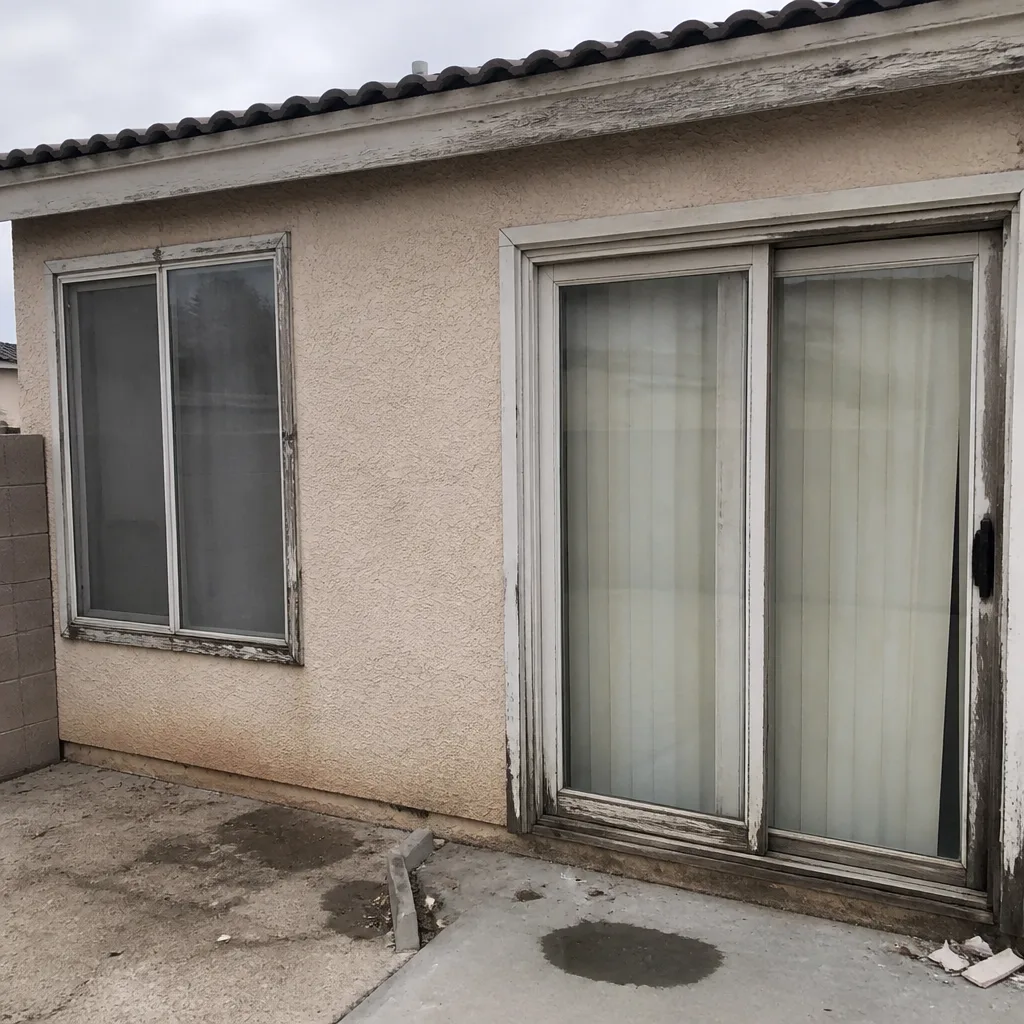 Before
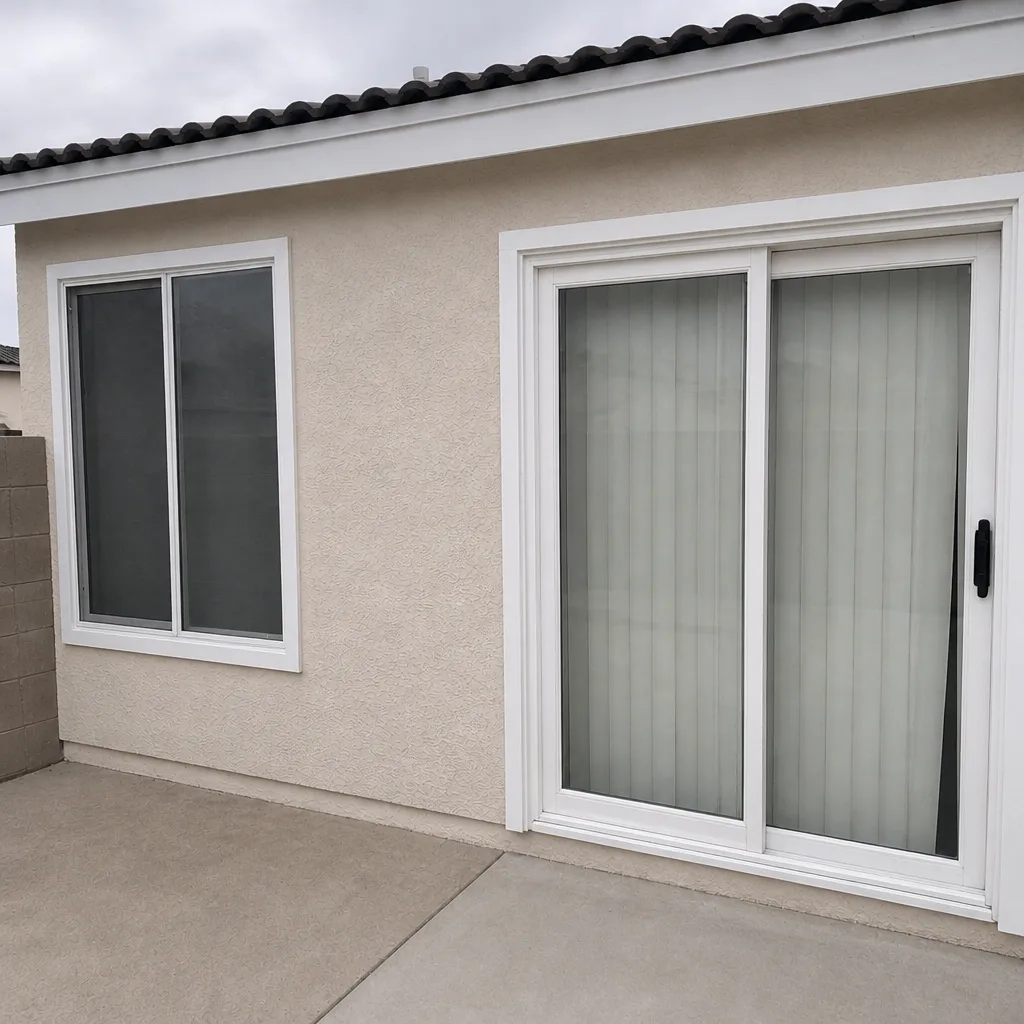 After
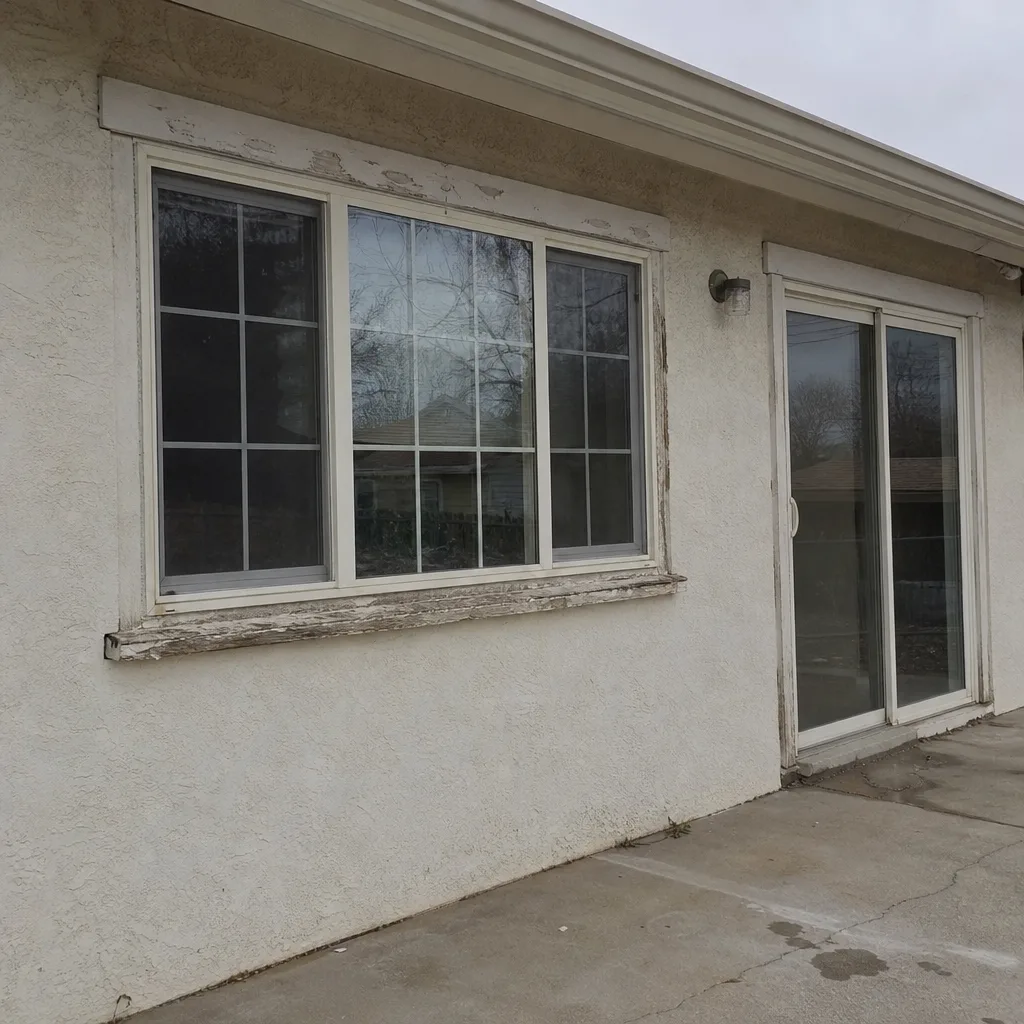 Before
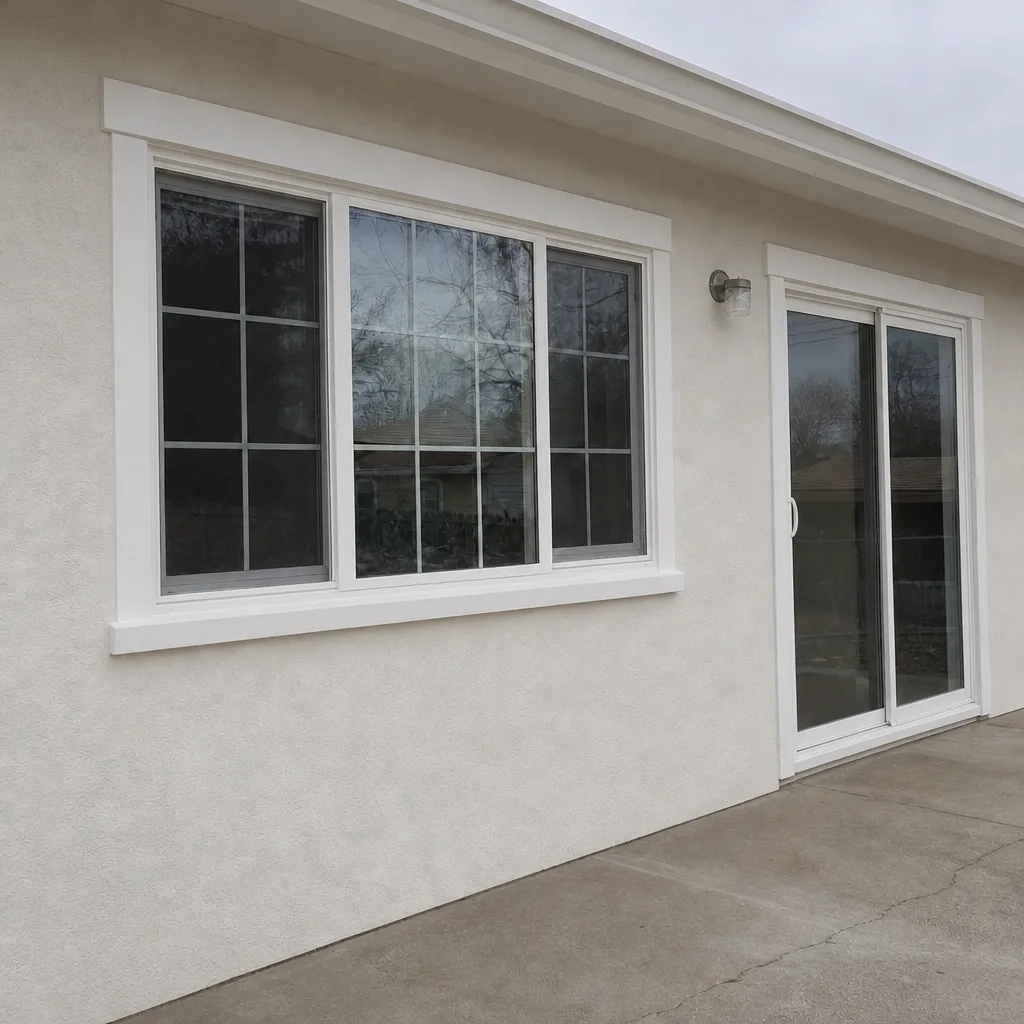 After
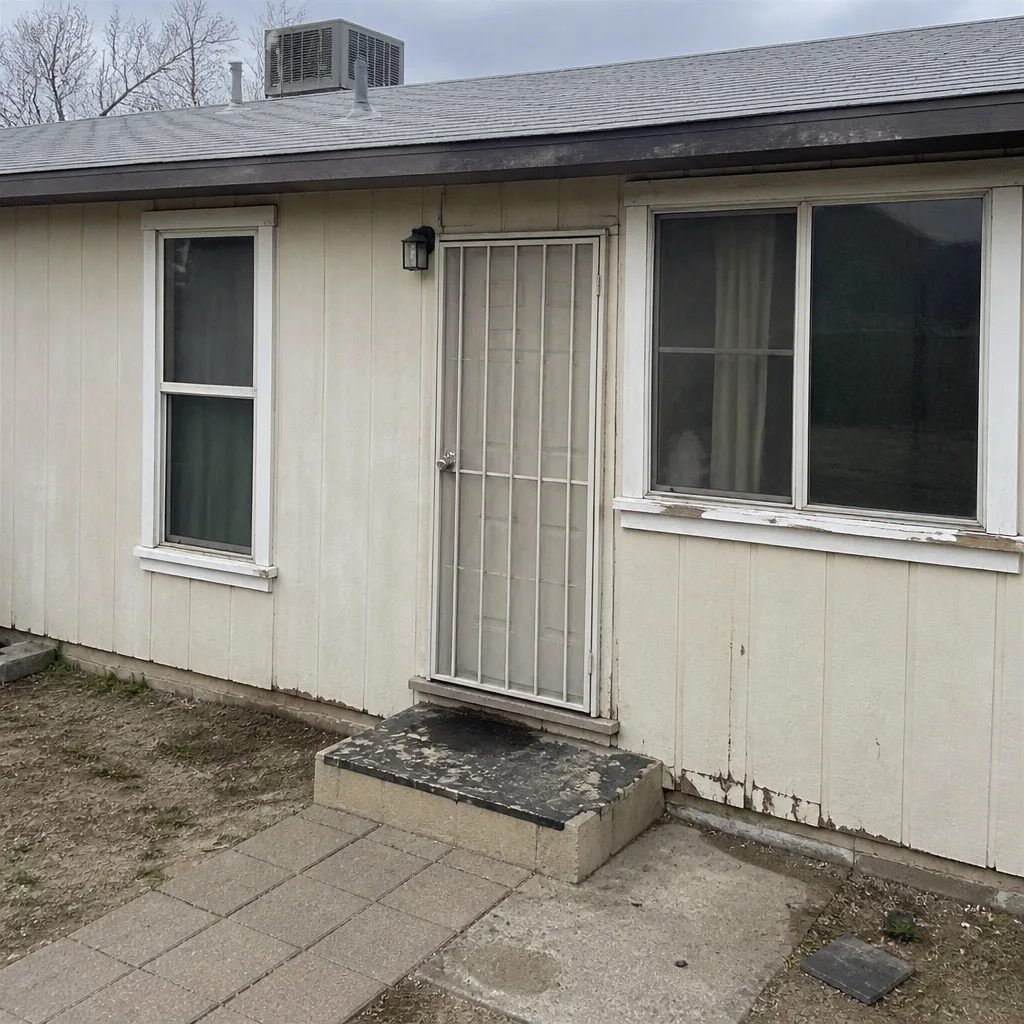 Before
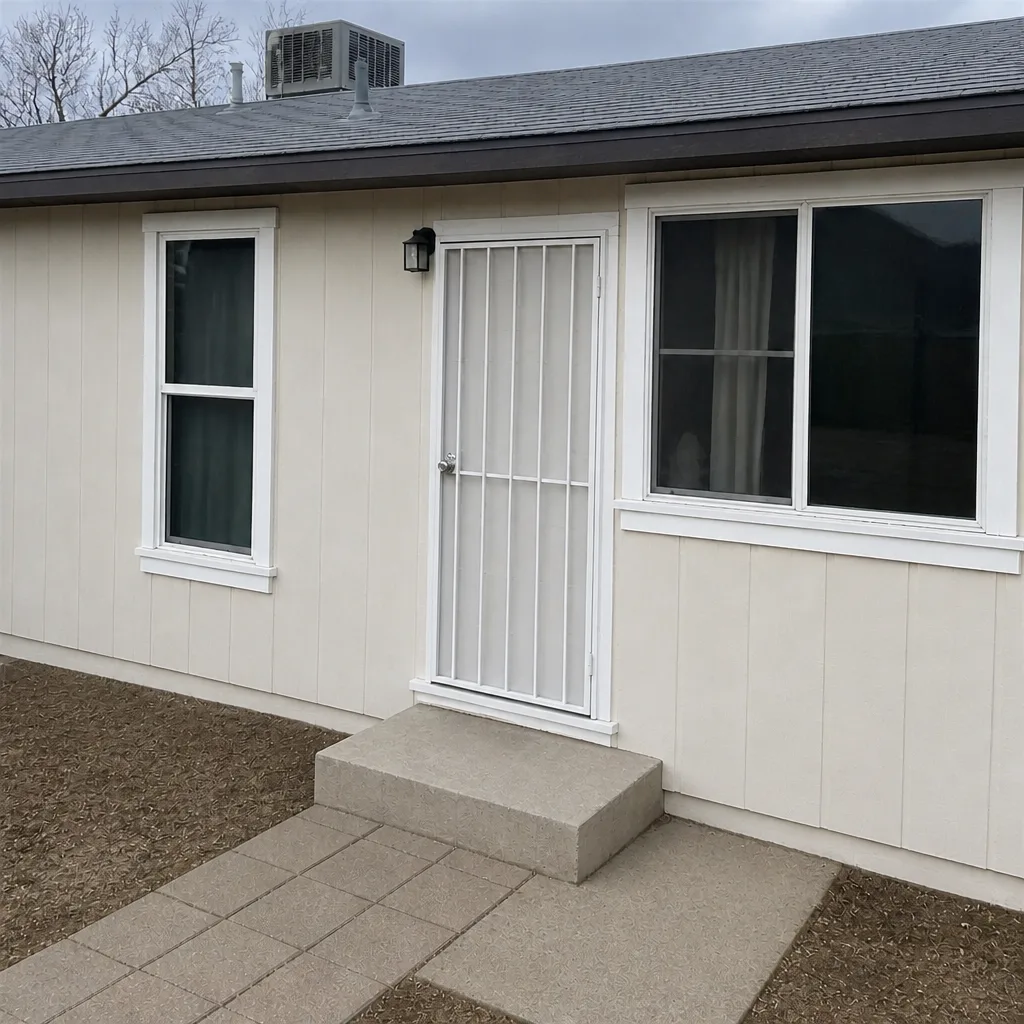 After