Last updated November 17, 2026
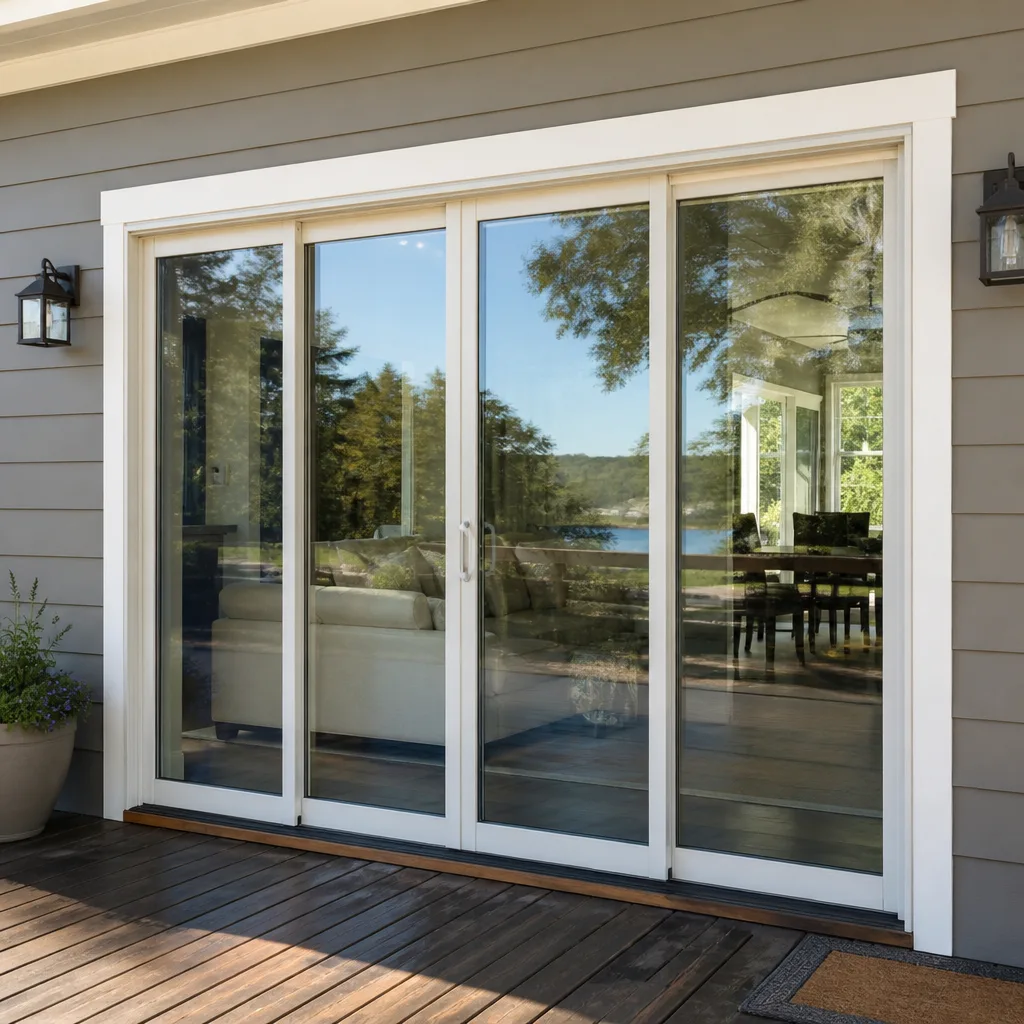 Sliding glass doors
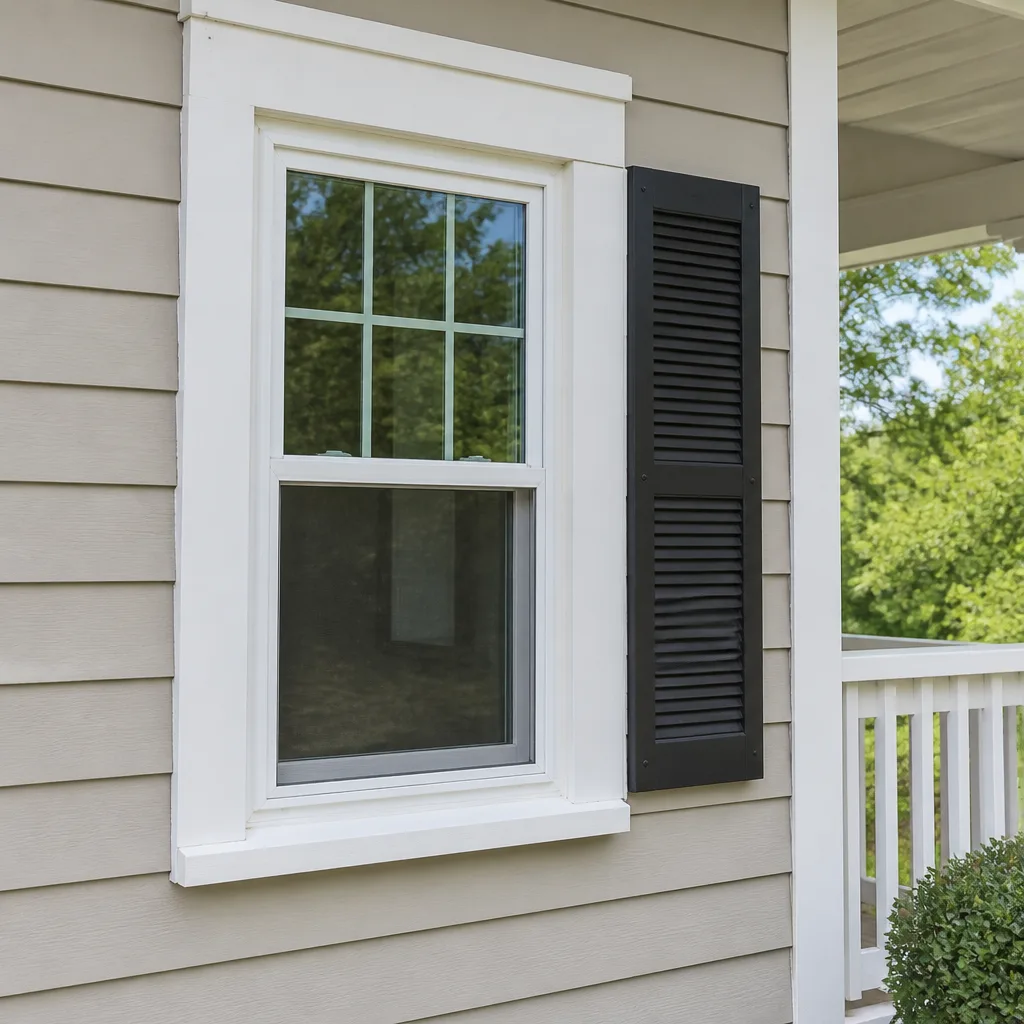 Single hung
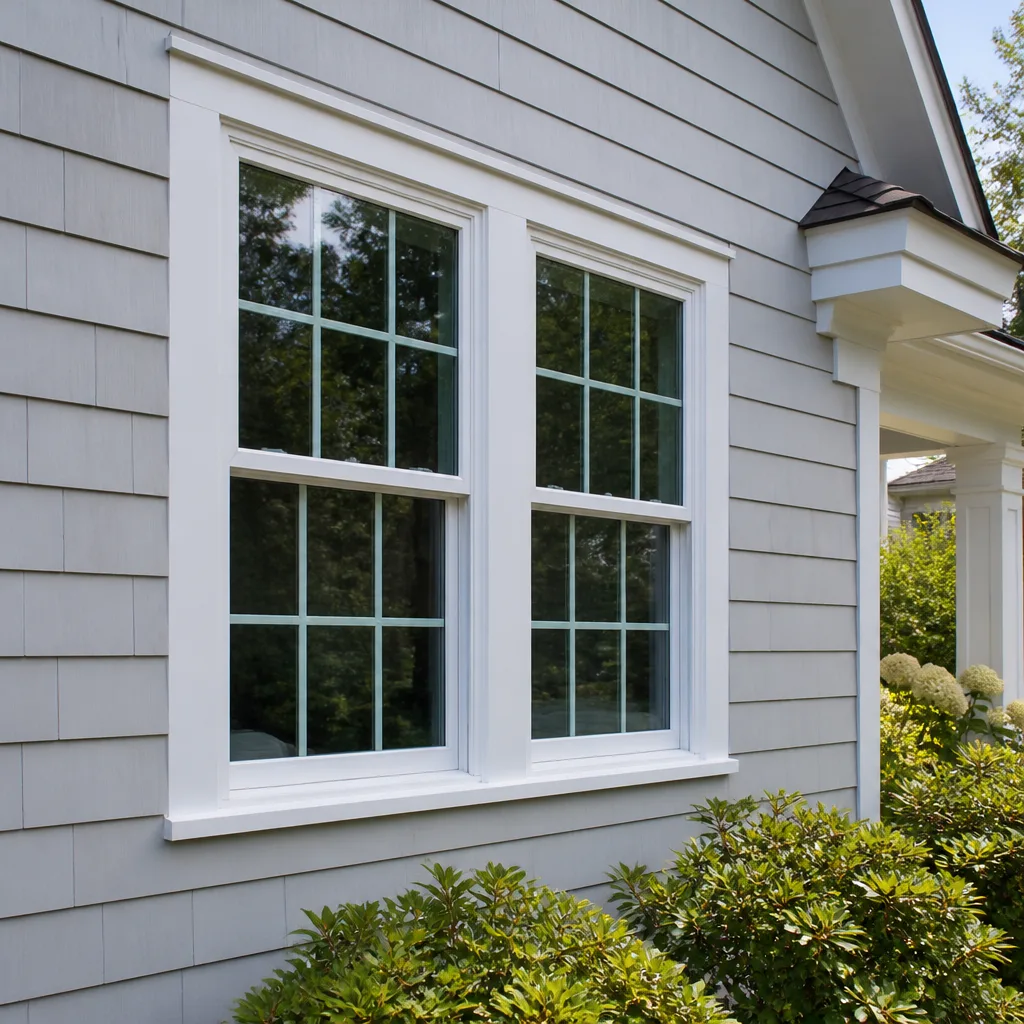 Double hung
 Horizontal roller
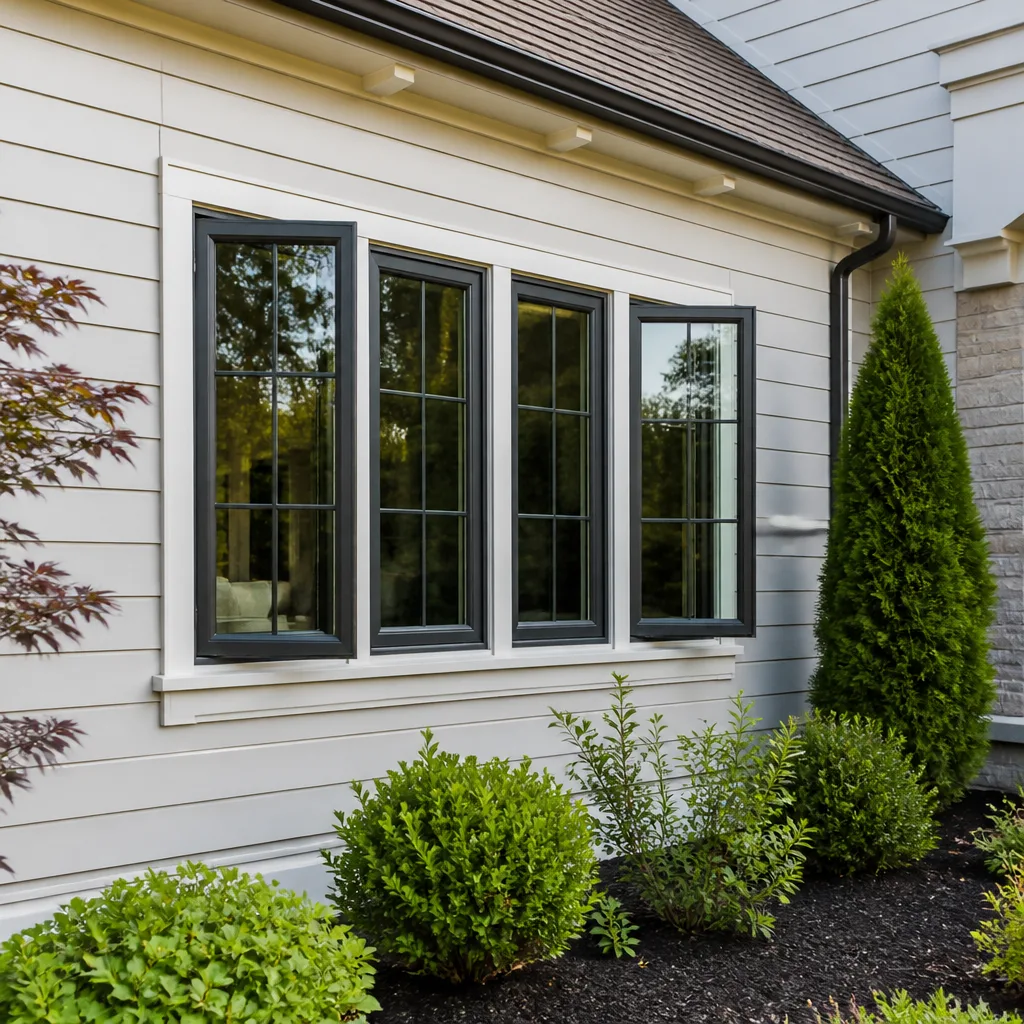 Casement
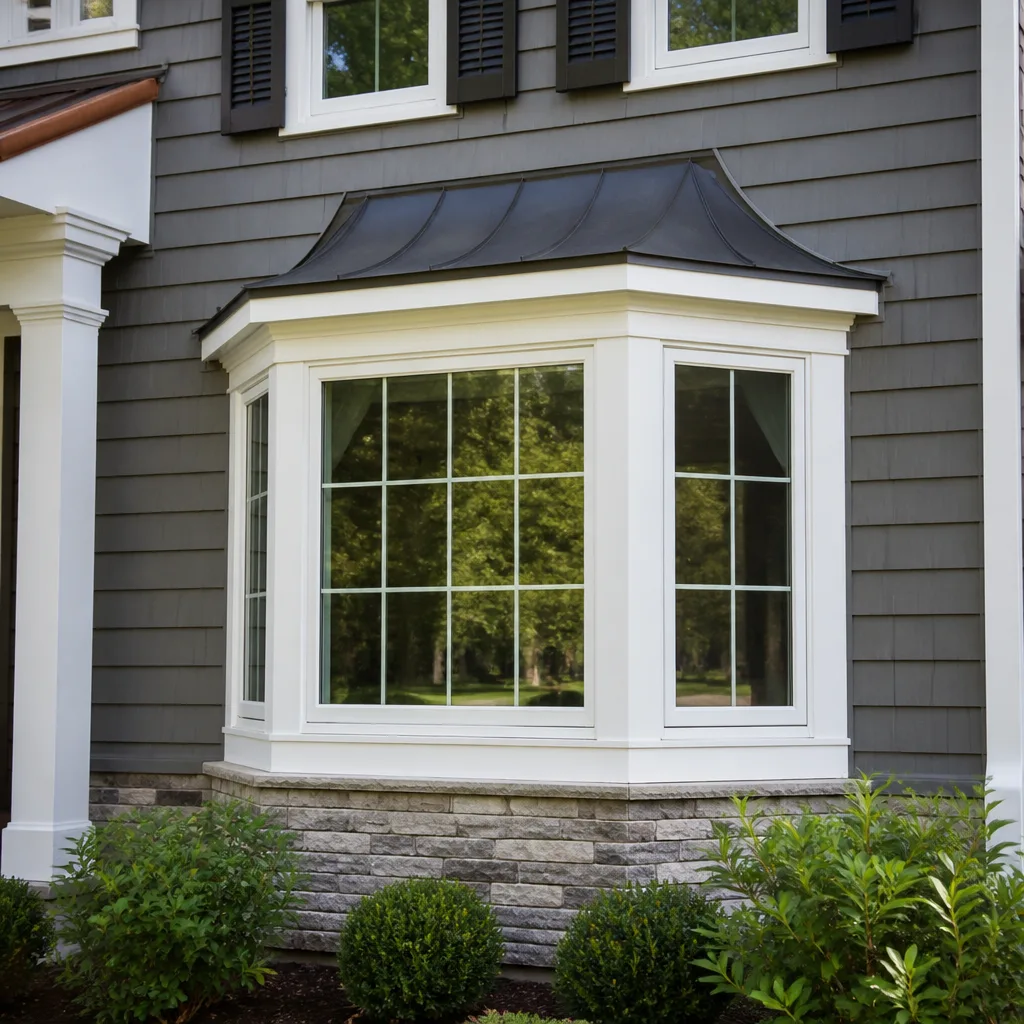 Bay & bow
 Entry doors
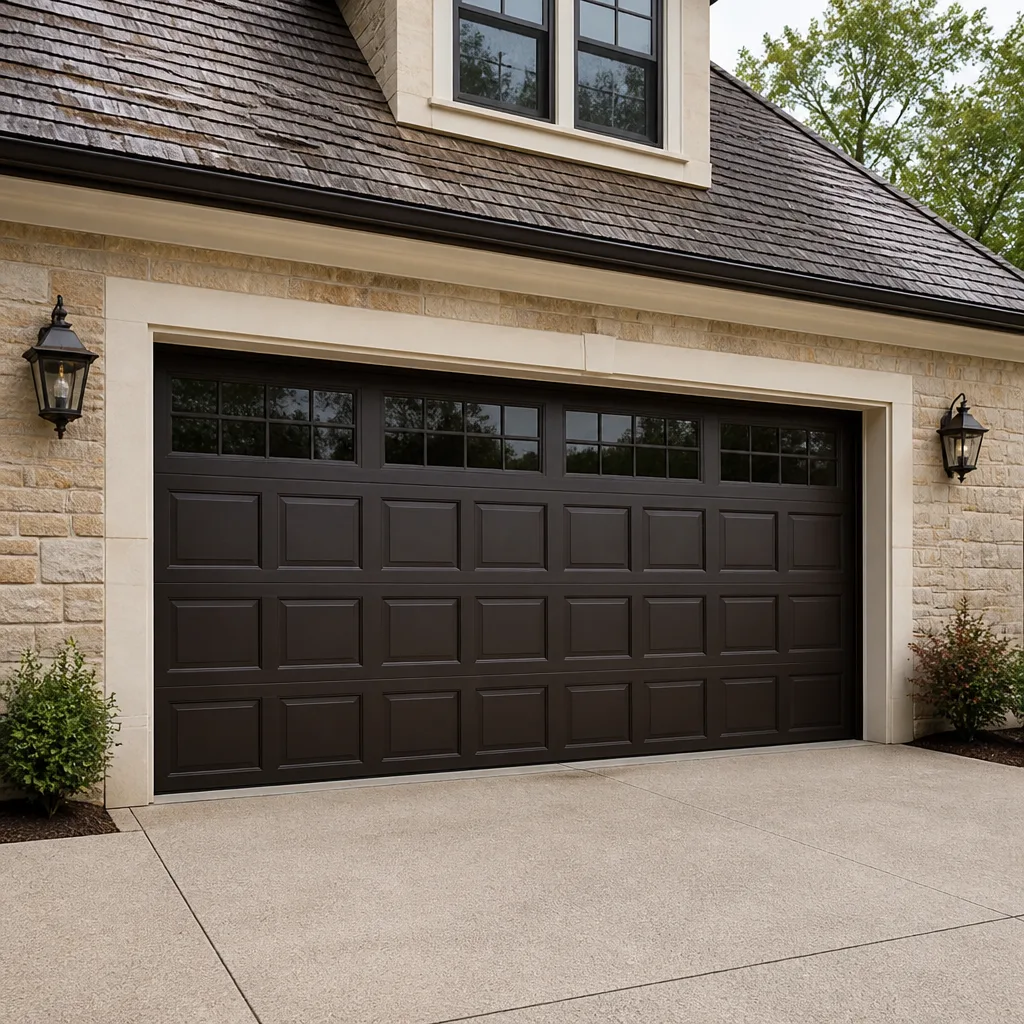 Impact garage doors
 PGT
 CGI
Free in-home measure and quote - PGT, CGI and CWS impact lines compared on your actual openings, style by style
Get your free estimateSeasonal Windows & Doors Care for Sunrise Manor: Year-Round Homeowner’s Guide
Most window and door care calendars are written for a place with four gentle seasons. Sunrise Manor doesn’t have those. What we have is a long, brutal summer, a windy fall, and two mild shoulder periods that pass quickly if you’re not paying attention. That mismatch matters, because the insulated glass seal failures that get noticed in October here were almost always set in motion back in June, when the glass in a west-facing window swings between a 75°F night and a 115°F afternoon every single day. Thermal cycling like that is the quiet destroyer of spacer systems, weatherstripping, and hardware. This guide lays out a month-by-month care calendar built around how Sunrise Manor weather actually behaves, so you can catch problems while they’re cheap to fix and keep your windows and doors performing at the specs they were rated for.
Quick Answer
Windows and doors in Sunrise Manor need their heaviest care in two windows of the year: late spring, before the sustained heat arrives, and fall, when haboob season and high-particulate wind events stress hardware, seals, and door thresholds. Inspect seals and glass in April and May, check door weatherstripping and rollers before AC season begins, deep-clean tracks and weep holes after the summer, and save caulk and paint work for the mild shoulder months when temperatures cooperate. Following that rhythm, rather than a generic national checklist, is what keeps units performing in desert conditions.
Styles & brands we work with
- Single hung
- Double hung
- Horizontal roller
- Casement
- Bay & bow
- Sliding glass doors
- Entry doors
- Impact garage doors
- PGT
- CGI
Table of Contents
- Why Sunrise Manor Has Two Demanding Seasons, Not Four
- The Month-by-Month Care Calendar
- Summer Is the Hardest Season on Insulated Glass
- Haboob Season: What to Inspect After a Dust Event
- Pre-Summer Door Threshold and Weatherstripping Checks
- Materials That Survive Desert UV and Heat (and Those That Don’t)
- The Shoulder Months: Caulk, Paint, and Hardware
- Common Mistakes to Avoid
Why Sunrise Manor Has Two Demanding Seasons, Not Four
Sunrise Manor sits in the Mojave, north of Las Vegas, and the local climate doesn’t resemble the four-season model that most manufacturer care guides assume. Instead, the year splits into four practical phases: a mild late-winter/early-spring stretch, a punishing summer that runs roughly from May into September, a wind-driven fall, and a short cool season where outdoor work is genuinely comfortable.
Why does the phase model matter more than the calendar model? Because each window and door component has a season where it takes real punishment:
- Insulated glass units get hit hardest by summer thermal cycling, when the glass is asked to expand and contract repeatedly across a huge daily temperature spread.
- Weatherstripping and door sweeps get worn down by windblown dust and by the AC-vs-outdoor pressure differential that runs at its peak in summer.
- Rollers and sliding hardware accumulate fine silt from the fall dust events, which acts like an abrasive inside the tracks.
- Caulk and paint cure and fail far faster under continuous UV and heat than they do in a temperate climate.
In other words, the things you inspect in spring and fall are the same things that will be damaged by summer and wind season. Working with that rhythm, instead of guessing when to act, is the whole game in Sunrise Manor. Homeowners in this part of the valley who think of “seasonal care” as a spring cleaning task miss the second half entirely. If you want a more general primer on the product side, see Sunrise Manor Windows & Doors.
The Month-by-Month Care Calendar
Here’s the working calendar we recommend for a Sunrise Manor home. Treat it as a starting point and adjust for your exposure – a home with unshaded west-facing glass will need more attention than one that’s shaded most of the day.
January to February: Baseline Reset
- Walk every window and door and note any fog, haze, or condensation trapped between glass panes.
- Test every lock, latch, and sliding mechanism by hand.
- Note any drafts around exterior doors – a candle or a piece of tissue held near the frame is a simple test.
- Book a professional inspection if anything on the list looks borderline, so there’s time to schedule replacement before summer heat settles in.
March to April: Pre-Summer Seal Inspection
- Inspect the perimeter caulk around every exterior frame; any cracking or separation should be repaired now.
- Check the glazing seal on insulated units for hazing or discoloration.
- Have sliding door tracks cleaned and hardware lubricated with a silicone-based product.
- Confirm weep holes on frames and sills are open and clear of debris.
May to September: Heat-Season Vigilance
- Keep an eye on any glass that begins to show edge haze – this is the earliest sign of seal failure.
- Do not paint, caulk, or apply sealant during peak heat; the materials don’t cure properly and will fail early.
- Check door sweeps monthly for wear and tear.
October to November: Post-Wind Deep Clean
- Vacuum or blow out sliding door tracks.
- Wipe down glass and frames on the exterior side.
- Inspect weatherstripping on all doors after the wind season.
- Have any hardware that feels gritty or stiff checked by a technician.
December: Shoulder-Month Caulk and Touch-Up
- Re-caulk any failed joints while temperatures allow a clean cure.
- Touch up exterior paint or finish on wood and fiberglass frames.
- Replace worn door sweeps before winter winds pick up again.
For the professional side of this work, including window installation and door replacement, we’re happy to come out and give you a written assessment of anything on the list.
Summer Is the Hardest Season on Insulated Glass
Most people assume winter cold is the enemy of insulated glass units (IGUs). In Sunrise Manor, the reverse is true. A well-built double- or triple-pane unit is designed to handle cold, but sustained heat cycling is what does the real damage over the long haul.
Here’s why. An IGU is a sealed sandwich: two or more panes held apart by a spacer system and sealed around the edge with a primary and secondary sealant. That spacer system is the critical component, and it’s the one that takes the most stress from thermal cycling. When the glass heats to 140°F or more on a summer afternoon and then drops to a 75°F night, the pane expands and contracts slightly – and the seal has to flex with it. Do that every single day for four months, year after year, and the sealant begins to fatigue. That’s when the unit starts to show the early signs of failure:
- Edge haze: a milky band around the perimeter of the glass, usually the first sign.
- Fog between the panes: the classic late-stage failure; the desiccant has saturated and moisture has entered.
- Visible condensation: droplets on the interior of the sealed cavity on cool mornings.
- Optical distortion: a wavy or blurry quality to what you see through the glass.
Once a unit fogs, the seal is broken. It won’t repair itself and there’s no fix short of replacing the unit itself. That’s why the pre-summer inspection in April or May is so important – catching edge haze while the rest of the glass is still clear gives you time to plan the replacement before the worst of summer arrives. For details on how full unit replacement works, look at window replacement. Out of the eight lines we carry, impact-rated glass from CGI and heat-tolerant energy lines from ECO Window Systems and ES Windows are the models we most often recommend when a Sunrise Manor homeowner is replacing failed units and wants to be confident the new glass will hold up.
Haboob Season: What to Inspect After a Dust Event
Fall in the valley means haboob season – the massive dust storms that push through the area in late summer and early fall, driven by collapsing thunderstorms and high winds. These storms dump enormous volumes of fine silt into the air, and that silt finds its way into every door track, every seal, every gap in a window frame. The immediate visible damage may be minor, but the cumulative effect over several seasons is real.
After any significant dust event, here’s what to inspect:
- Sliding door rollers. Fine silt lodges in the track and acts like a mild abrasive on the rollers. Each pass of the door grinds a little more material away. Over time the door starts to bind, then jump off the track. Blow or vacuum the track out and check roller movement by hand.
- Weatherstripping on exterior doors. Silt packs into the grooves of door seals and compresses the material, defeating the seal. Run a finger along the strip and look for flattening, cracking, or a hardened feel.
- Window frame weep holes. These tiny drain channels can become clogged. Clear them with a soft brush or compressed air.
- Window tracks and channels. Vacuum or blow out the sliding channel on every operable window; don’t just wipe the visible surface.
- Exterior caulk lines. Look for new cracking where the wind has forced grit against the joints.
- Door sweeps and thresholds. Confirm the sweep still contacts the threshold with a consistent seal across the full width.
For any suspicion of a damaged seal, a failing roller, or a warped threshold, a professional inspection is worth the visit. We install and service doors as one of our three core services, and we’re usually able to confirm what’s worn and what’s fine in a single appointment. Since Sunrise Manor is where we do this work every day, we know where the wind hits hardest around Sunrise Manor and what tends to go first.
Pre-Summer Door Threshold and Weatherstripping Checks
Here’s a metric that doesn’t get enough attention: the start of AC season in Sunrise Manor is the moment every door gap becomes a direct, measurable energy cost. From roughly May onward, the house is running at negative pressure relative to the outdoors because of the AC pulling air through return ducts, and any gap around a door – under the sweep, around the jamb, or between the door slab and the frame – becomes an active leak path for hot outdoor air.
A pre-summer check should include the following:
- Door sweep contact test. Slip a piece of paper under the door and close it; if the paper pulls out with no resistance, the sweep has lost its seal.
- Weatherstripping integrity. Inspect every exterior door’s weatherstripping – especially the bottom and sides – for flattening, cracking, or separation.
- Threshold level check. Confirm the door threshold is level and not rocking; a wobbly threshold means the door is contacting unevenly and the seal won’t hold.
- Jamb and frame caulk. Check the joint between the door frame and the wall for cracks; this is where a lot of air infiltration happens on older homes.
- Sliding door track seal. Look at the vertical and horizontal weather seals on sliding patio doors; these wear quickly in dusty conditions.
If any of these checks fail, the fix is usually small – a new sweep, a fresh length of weatherstripping, a bead of exterior caulk. Multiply those gaps by a long cooling season and the cost to run the AC gets real. For entry doors themselves, Therma-Tru fiberglass doors are popular in this climate because they don’t swell with heat or warp the way wood can, but even a well-built door is only as good as its threshold and weatherstripping.
Materials That Survive Desert UV and Heat (and Those That Don’t)
Not every window or door product holds up equally in Sunrise Manor. Products designed for a temperate climate can degrade surprisingly fast under sustained UV and heat. When you’re choosing replacements or trying to understand why a product is failing early, the material selection is often the whole story.
What holds up
- Vinyl windows with UV-stabilized frames. Quality vinyl formulations resist fading, warping, and cracking when the compound is designed for high-UV exposure. Look for units whose frames are rated for desert conditions.
- Aluminum frames with a thermally broken design. Aluminum won’t warp from heat, and thermally broken models don’t conduct heat into the interior the way older non-broken aluminum does.
- Fiberglass entry doors. Fiberglass doors resist heat distortion, don’t swell or crack with humidity swings the way wood does, and hold paint and finish in the desert better than most alternatives. Therma-Tru is the fiberglass line we carry, and it’s a common choice for Sunrise Manor homes.
- Impact-rated glass systems. Impact-rated window designs use heavier, laminated glass and stronger framing – and while we rarely see hail here, the same construction that resists impact also resists the physical stress of heat cycling. PGT, CGI, and CWS all make impact-rated products that fit this climate.
- Silicone-based caulks and exterior sealants. Silicone caulk is the right choice for the desert because it stays flexible through extreme temperature swings; acrylic caulks cure brittle and crack within a season or two.
What degrades quickly
- Cheap acrylic caulk. Assumes a temperate climate. In the desert it cracks within a season or two under UV exposure.
- Wood frames without protective coating. UV and low humidity combine to check and splinter wood; regular refinishing helps, but wood is a maintenance-heavy choice here.
- Basic clear glass without low-E coating. Low-E coatings reflect a share of the sun’s heat back out and reduce UV damage to interiors; glass without them runs hotter and works harder on the AC.
- Standard-grade weatherstripping. Non-UV-resistant foam and vinyl weatherstripping flattens and cracks quickly. Silicone or EPDM weatherstripping holds up far better under heat and dust.
If you’re choosing replacement windows or a new door for a Sunrise Manor home, the brand matters less than whether the product is spec’d for desert conditions. That’s why we carry eight separate lines – PGT, CGI, CWS, ES Windows, ECO Window Systems, Mr-Glass, Therma-Tru, and ViewLux – covering impact, energy, and design needs. The right window for your home is the one that suits your exposure, your AC load, and your aesthetic, not the one that’s easiest for us to sell.
The Shoulder Months: Caulk, Paint, and Hardware
The mild-weather stretches in Sunrise Manor – roughly January through April and again in late November through December – are the right time for the tasks that need a cooperative cure temperature. Caulk and paint applied under 70-90°F conditions cure slowly and thoroughly, bonding better to the surfaces and staying flexible longer. Caulk or paint applied in 105°F heat skims over and fails within weeks.
The shoulder-month work list is short but high-leverage:
- Re-caulk the exterior perimeter of every window and door frame. Use a high-grade silicone-based sealant. Remove old caulk first rather than applying over it.
- Paint or touch up exterior frames. On wood and fiberglass, refinishing now protects the material through the summer.
- Replace worn door sweeps and weatherstripping. A fresh seal installed in mild weather will last longer and seal more effectively than one installed in heat.
- Lubricate sliding door and window hardware. Use a silicone-based lubricant, not a petroleum product, on the rollers and tracks.
- Tighten hardware. Screws in the lock, handle, and hinge assemblies loosen over a season of thermal cycling – check and tighten all of them.
This is also the moment to book any professional inspection or replacement work so it’s scheduled before the summer crunch. Weather in the shoulder months is working in your favor; use it. For the full window and door scope we cover under one contract, see our main page.
Common Mistakes to Avoid
- Applying caulk in peak summer heat. It skins over and cracks within weeks. Save exterior caulk for the shoulder months.
- Ignoring early edge haze. That milky band around the perimeter of a glass unit is the first sign of seal failure – by the time it’s fogged, the unit is gone. Note it in spring and replace it before summer stress accelerates the failure.
- Letting silt sit in sliding door tracks. In Sunrise Manor’s dust season, silt acts as an abrasive and grinds rollers down faster than almost anything else. Clean after every wind event.
- Skipping the pre-summer door check. A worn sweep or cracked weatherstrip quietly doubles your AC load through the summer. Check contact and condition every spring.
- Using standard acrylic caulk on the exterior. It’s rated for a temperate climate and fails early here. Silicone-based is the right choice in the desert.
- Buying windows rated only for temperate conditions. A budget window designed for a Seattle climate can degrade quickly under Nevada UV and heat. Ask specifically about the desert-appropriate specification.
- Ignoring frame movement after thermal cycling. Small gaps at corners or seams can open over a season; if you see daylight through a joint, get it looked at.
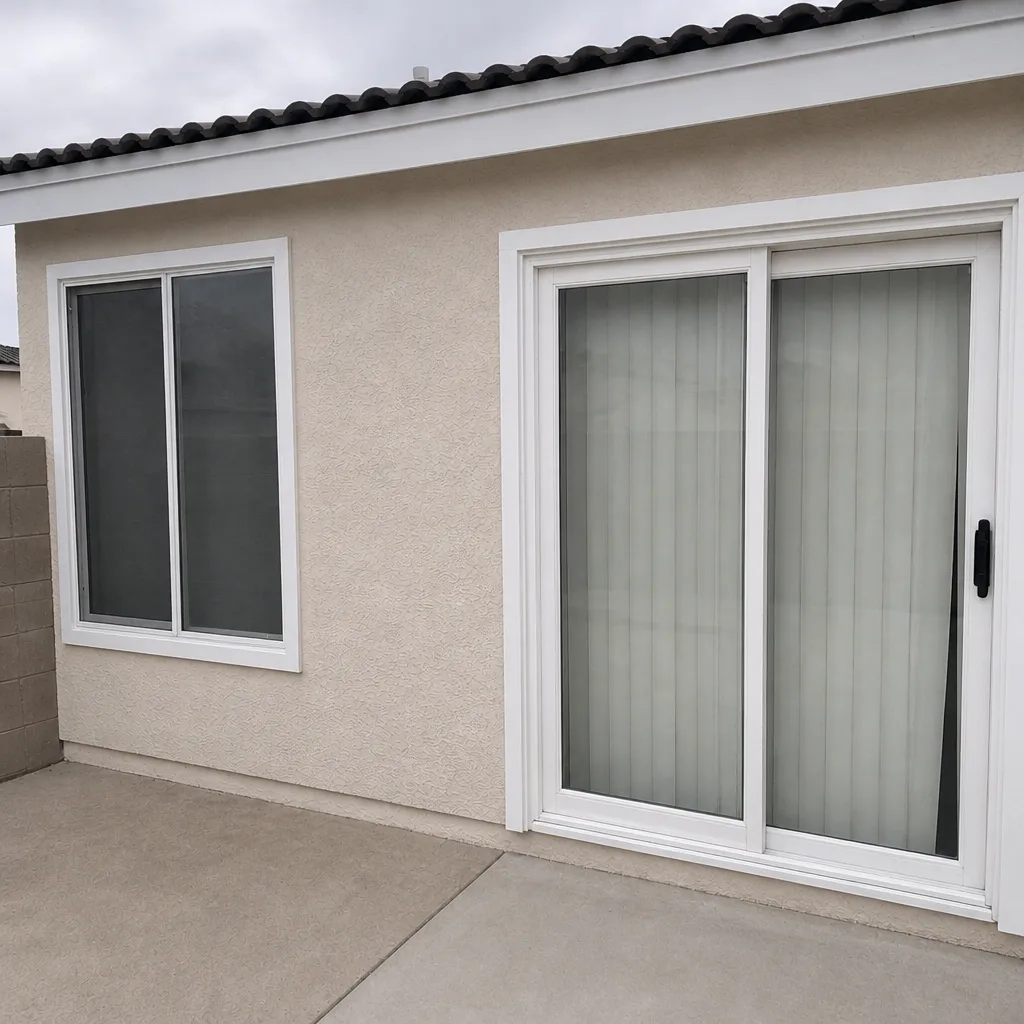
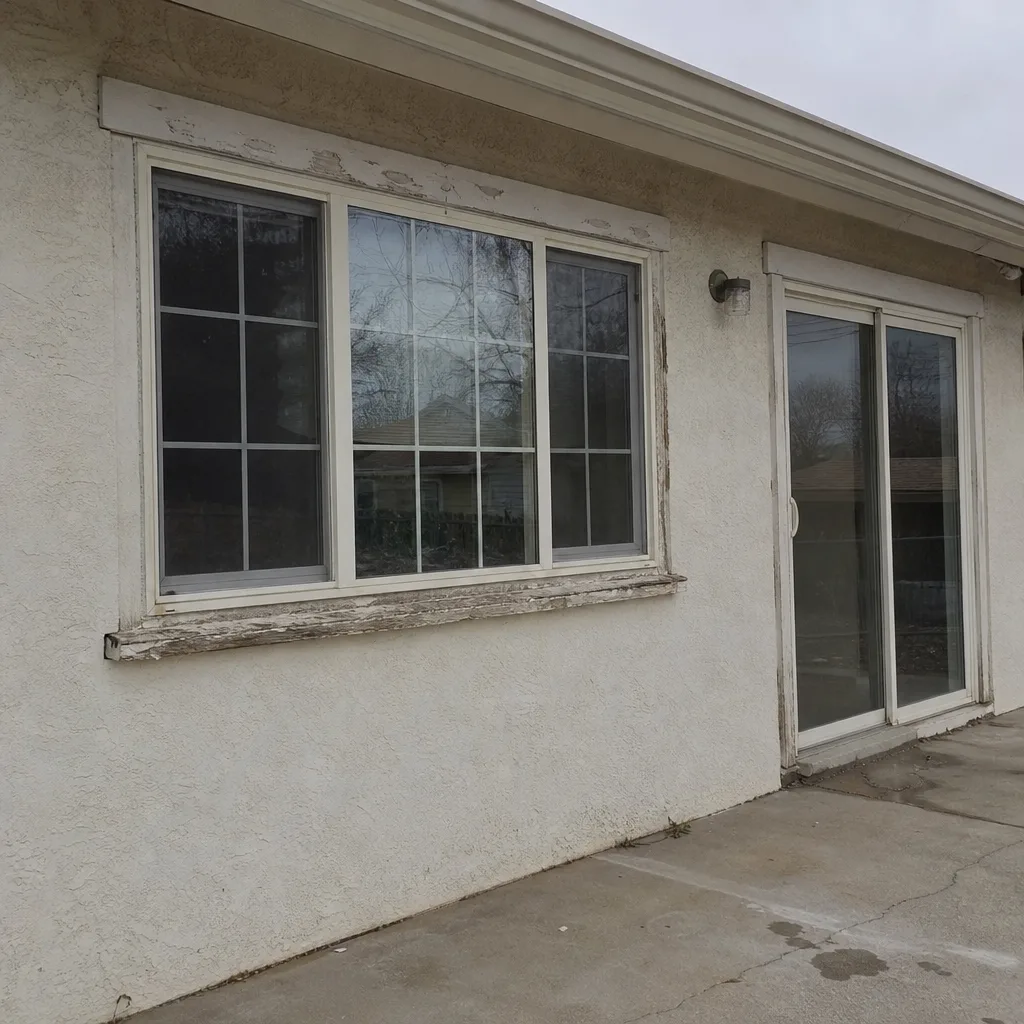
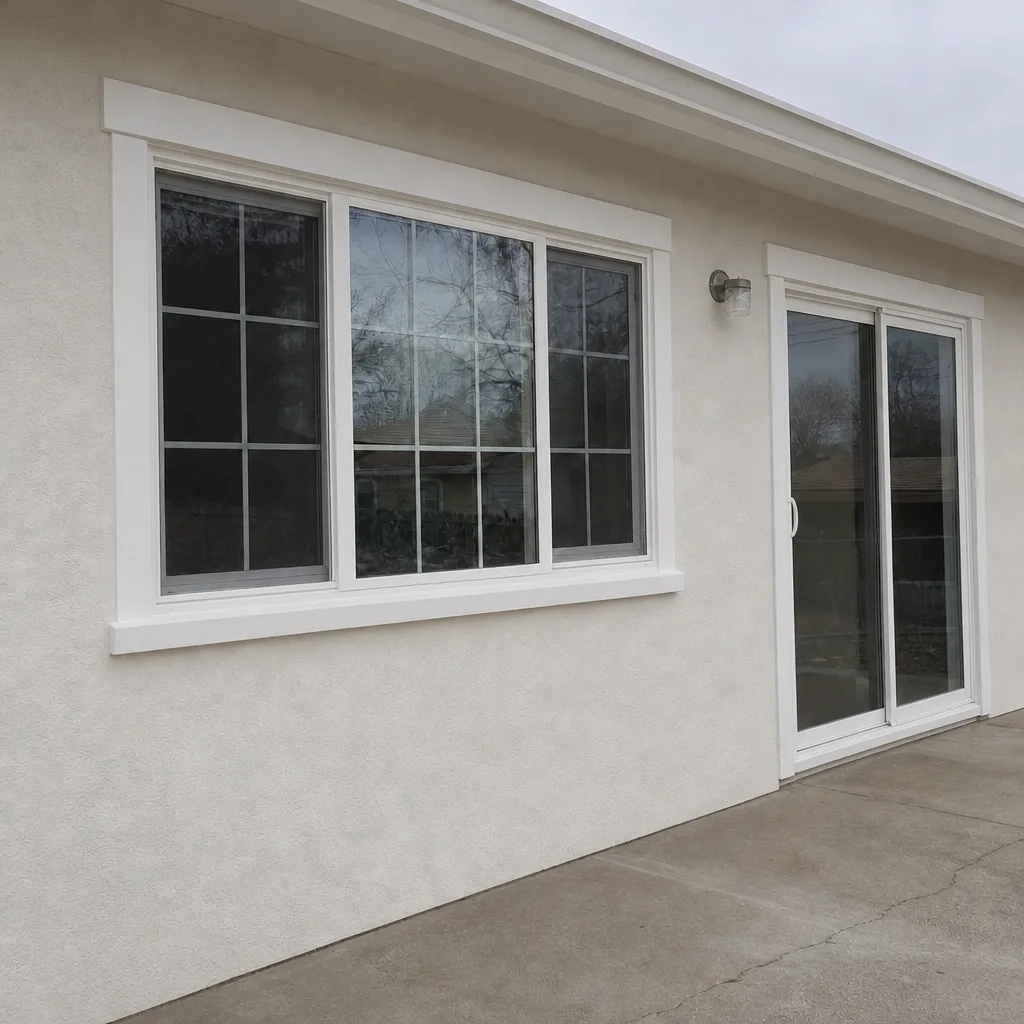
See the difference
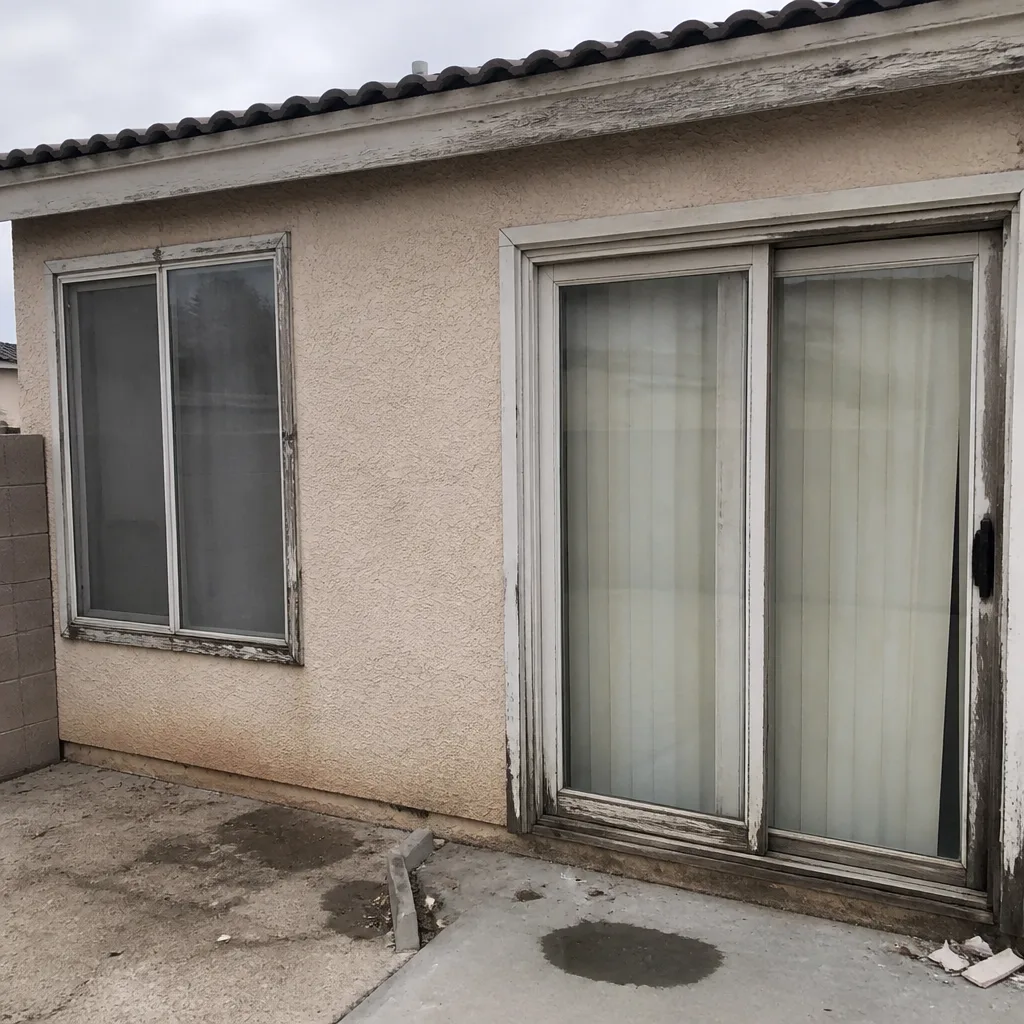 Before
 After
 Before
 After
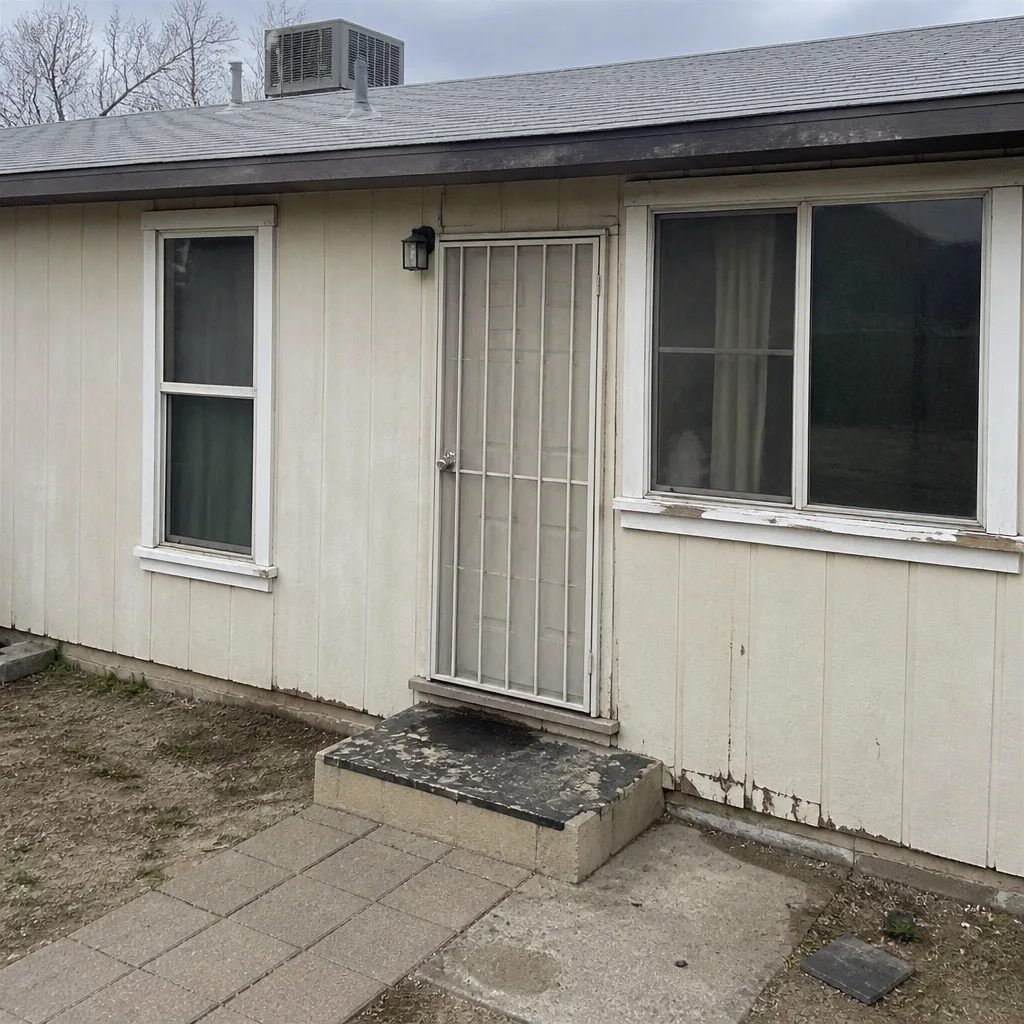 Before
 After
When to Call a Professional
Not every task on this calendar requires a technician, but some scenarios are ones where calling is the right call. If you see fog, moisture, or haze trapped between the panes of a window, the insulated unit has failed and it needs replacing, not repairing. If a sliding door or window has become stiff, jumps off its track, or feels gritty through its full travel, the rollers or track need professional service. If weatherstripping is cracked, flattened, or no longer sealing, or if exterior frames show cracking at the joints, the fix is best done with the right materials and technique to avoid repeating the failure. If you’re planning a window or door replacement, getting a professional assessment first means the right product is spec’d to your home’s exposure. Sunrise Manor Windows & Doors offers free estimates in Sunrise Manor, and our technicians have up to 8 years of experience with the products we install – call (888) 335-0658 to get yours scheduled. We answer 24/7, with fast dispatch from 7am to 7pm, Sunday through Friday. Closed Saturday.
Frequently Asked Questions
Twice a year is the practical standard: once in spring before the heat arrives, and once in fall after haboob season. That gives you a chance to catch seal failures, worn weatherstripping, and hardware issues before the season that stresses them starts.
Fog between the panes means the insulated glass unit’s seal has failed and moisture has entered the sealed cavity. Heat cycling is the usual culprit in Sunrise Manor – the daily swing between a cool overnight low and a very hot afternoon slowly fatigues the edge seal over time.
Yes. Caulk around exterior frames is what keeps hot outdoor air and silt from reaching the interior; when it cracks, the AC works harder. Use silicone-based caulk and apply it during a shoulder month so it cures properly. Call (888) 335-0658 to schedule a professional caulk and seal evaluation – the estimate is free.
Check the sweep contact, the condition of weatherstripping along the sides and bottom, the roller function on sliding doors, and the threshold for grit. Silt packs into the seal grooves and compresses the weatherstripping over time. If anything feels gritty, stiff, or compromised, a professional inspection is worth scheduling.
They do. A product rated for temperate conditions will degrade faster here than a product built for desert UV and heat exposure. That’s why we carry multiple lines – PGT, CGI, CWS for impact-rated, ES Windows and ECO Window Systems for energy efficiency, Mr-Glass and ViewLux for other needs – so we can match the product to your specific home exposure instead of pushing a single line.
If the glass itself is fogged, hazed, or shows edge failure, the insulated unit has to be replaced. If the glass is clear but the weatherstripping or hardware is worn, those are usually repairable. The frame material and the age of the unit factor in too. Call (888) 335-0658 to schedule a free estimate and get an honest assessment. We answer 24/7, with fast dispatch from 7am to 7pm, Sunday through Friday.
The Bottom Line
Sunrise Manor window and door care isn’t a four-season checklist – it’s a two-season rhythm. Spring and the shoulder months are when you inspect, caulk, replace weatherstripping, and confirm everything is ready. Summer and the fall wind season are when those components get tested, and the damage they take is what you’ll discover the following spring if you don’t stay on top of it. The highest-value tasks are simple: watch for edge haze on glass in spring, clean door tracks after every dust event, replace door sweeps before summer begins, and save the caulk and paint for mild weather. Get that rhythm right and the products you own will hold their performance for far longer than a one-size-fits-all care calendar would suggest. Call Sunrise Manor Windows & Doors at (888) 335-0658 for a free estimate – we’re a windows-and-doors specialist, not a general contractor, so recommendations come from focused product knowledge.
Written by the team at Sunrise Manor Windows & Doors.