Last updated November 17, 2026
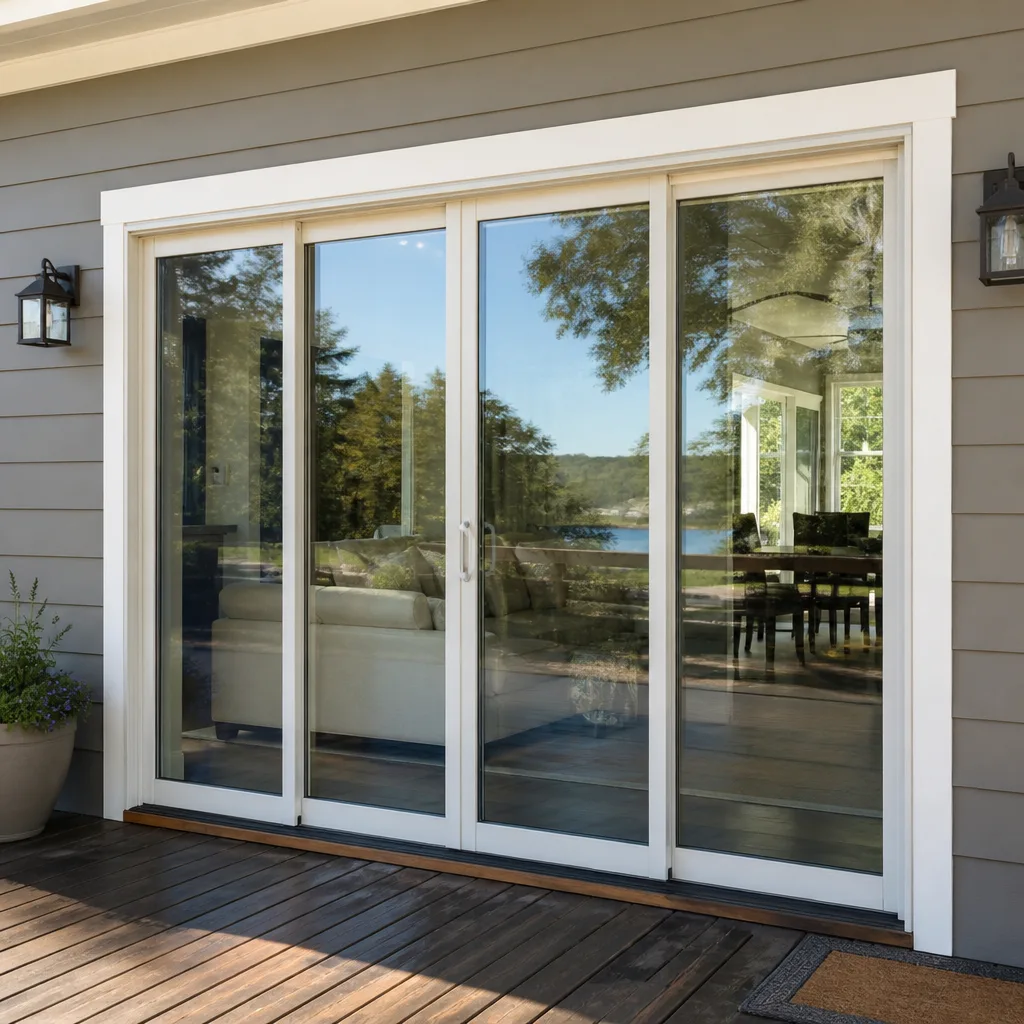 Sliding glass doors
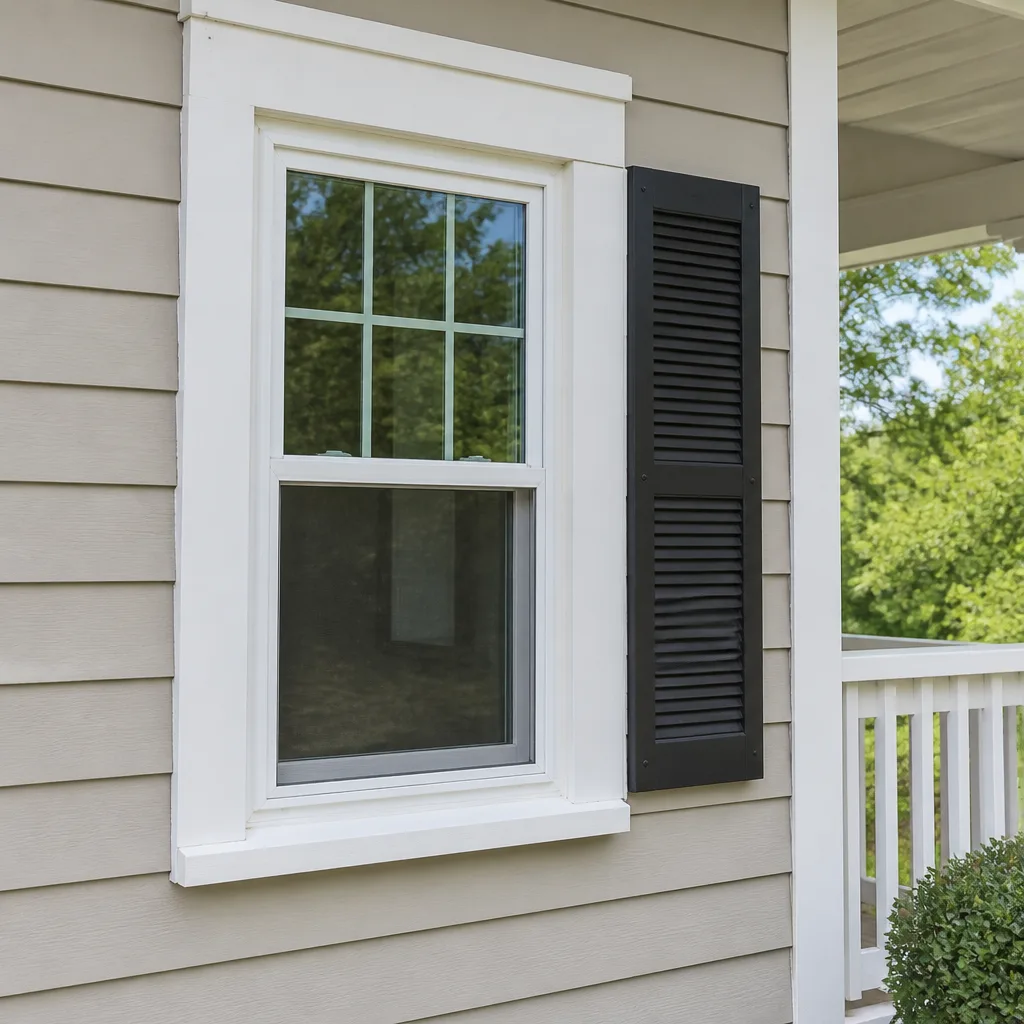 Single hung
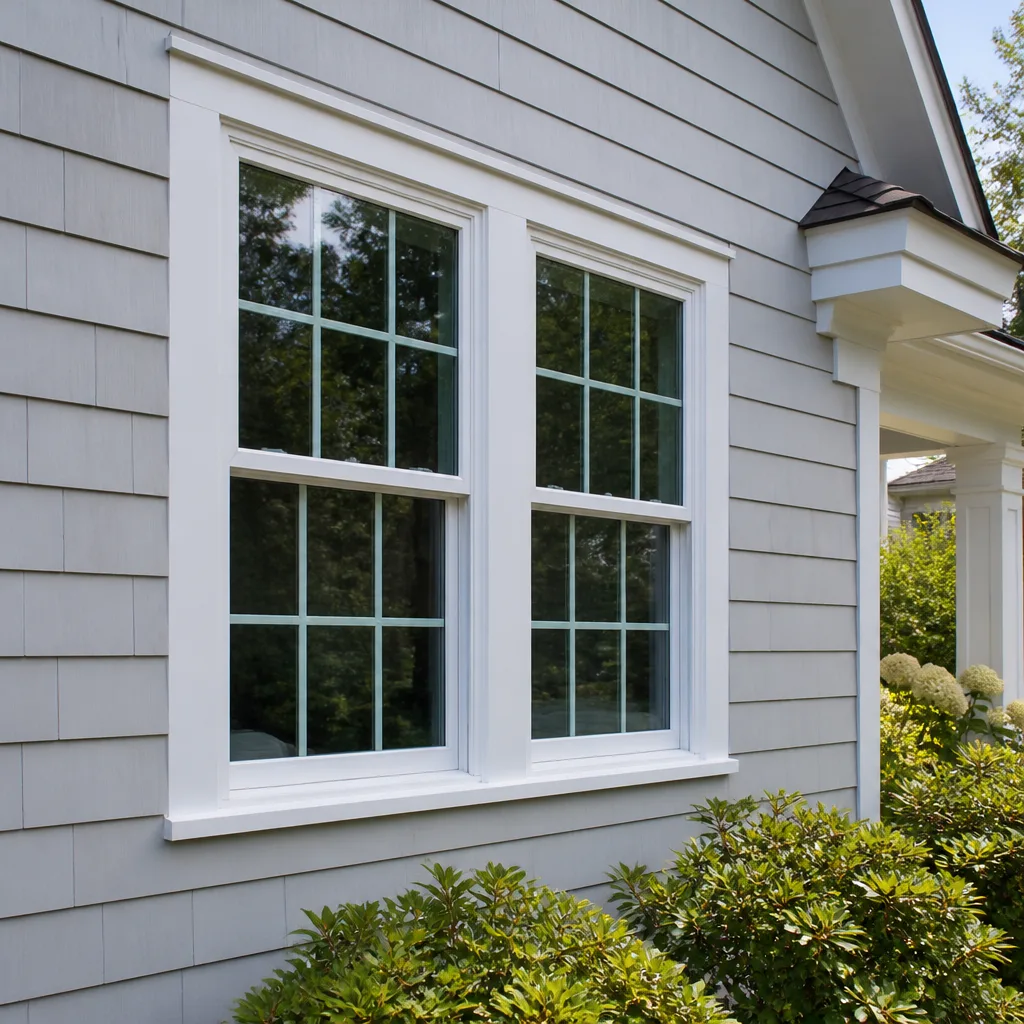 Double hung
 Horizontal roller
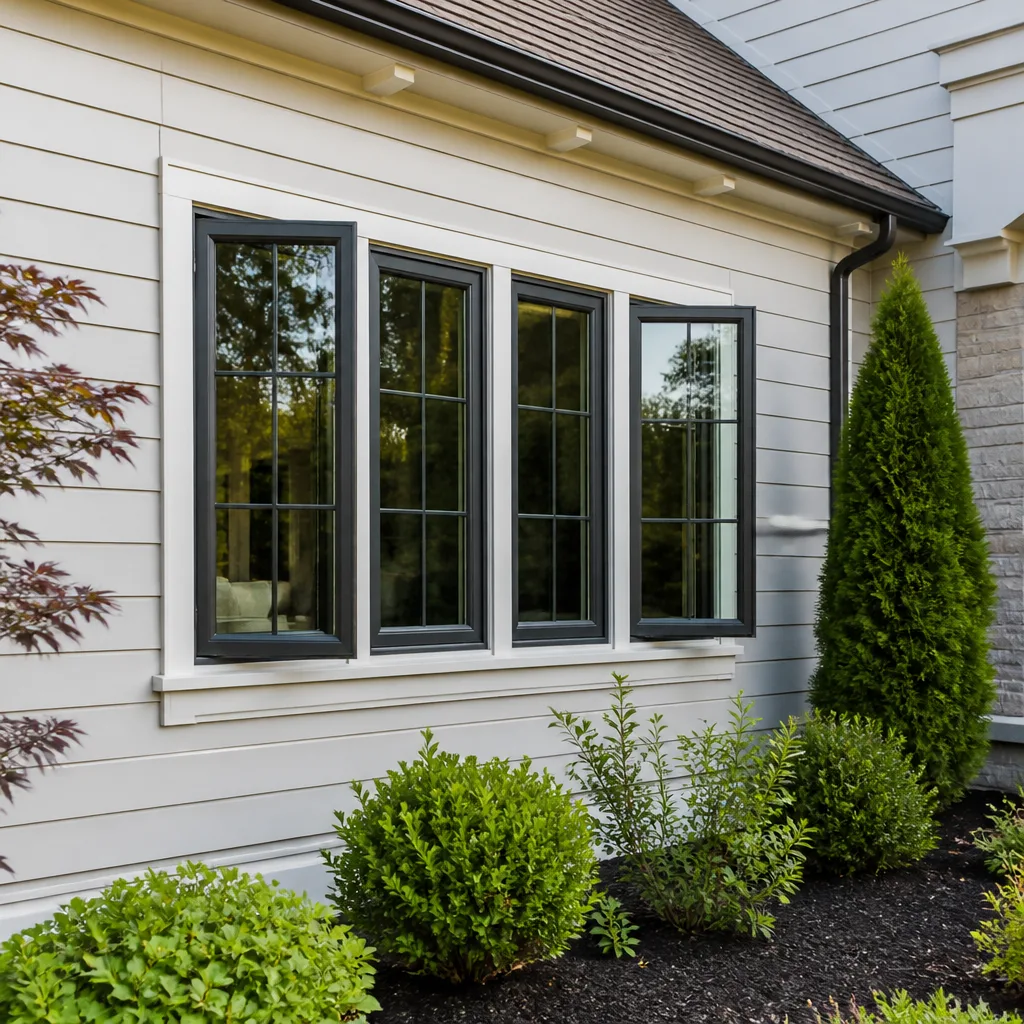 Casement
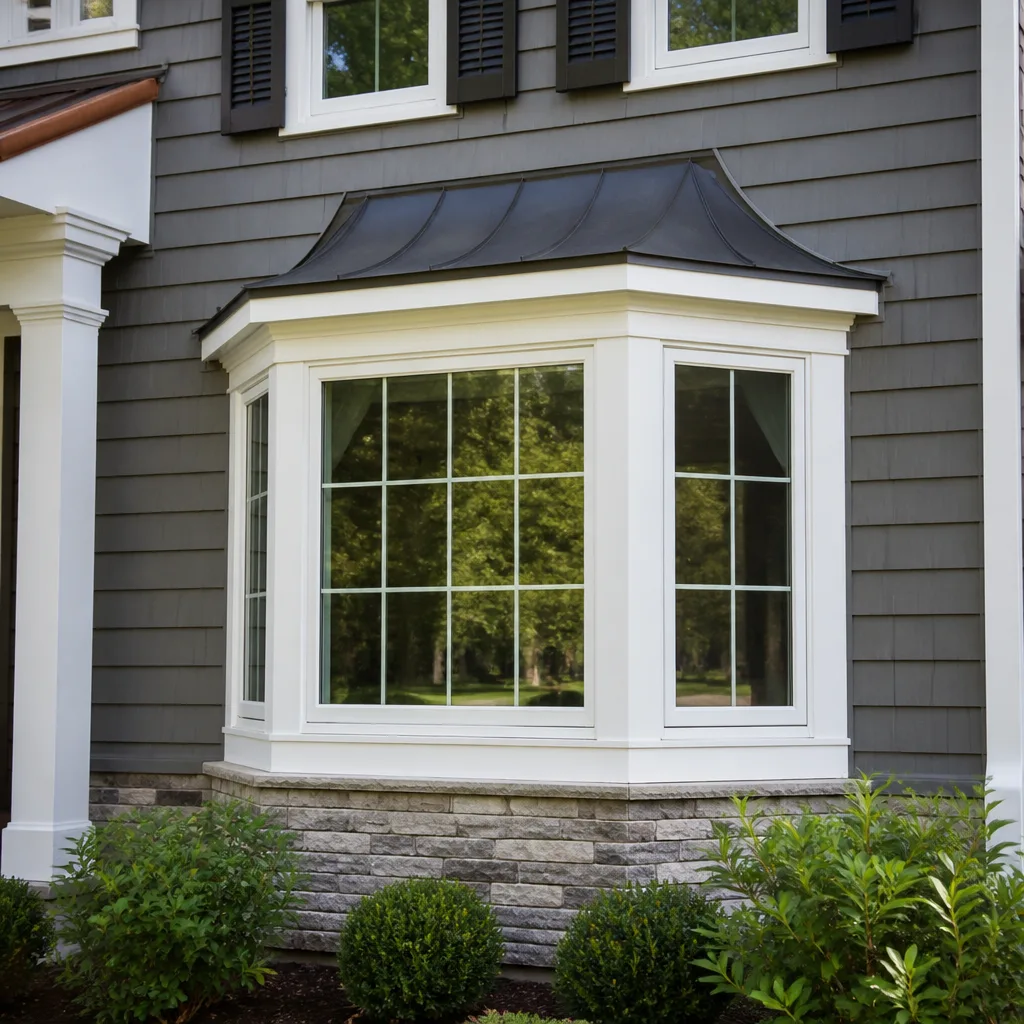 Bay & bow
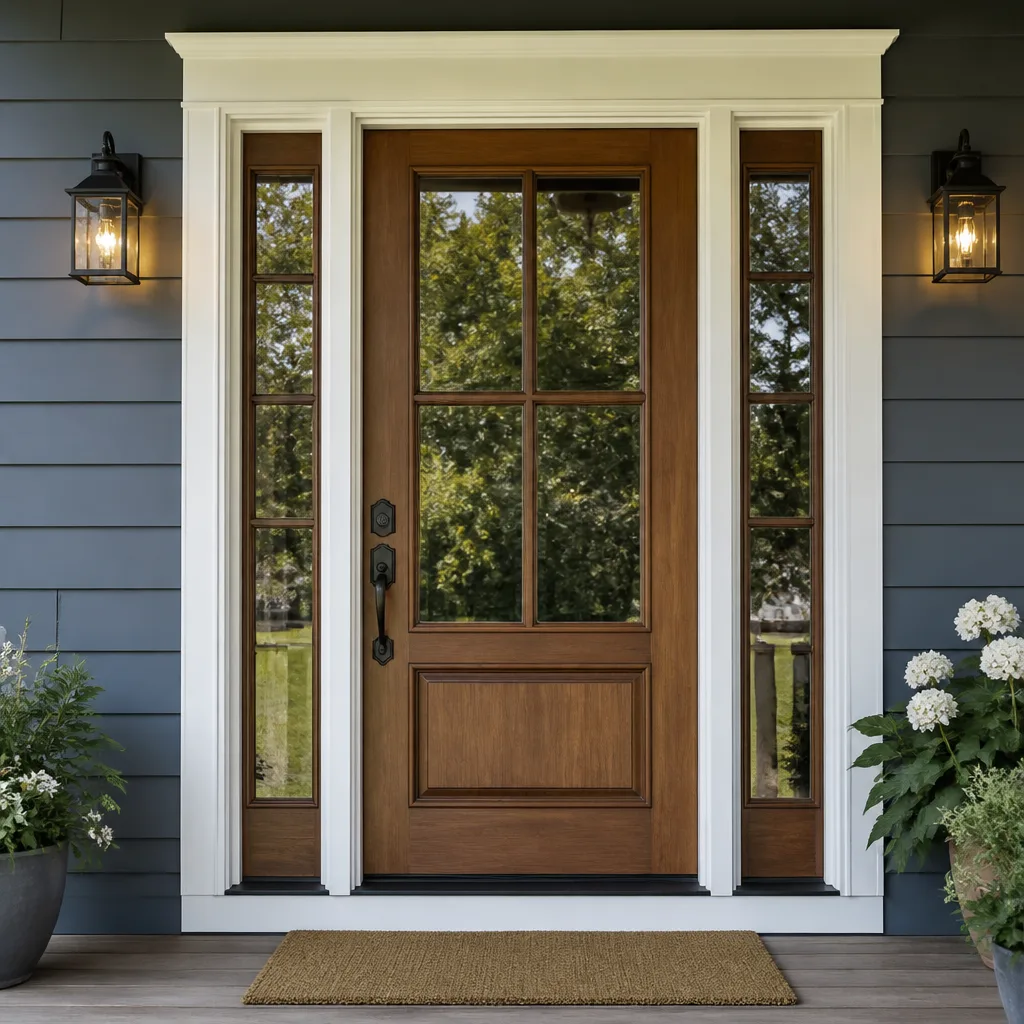 Entry doors
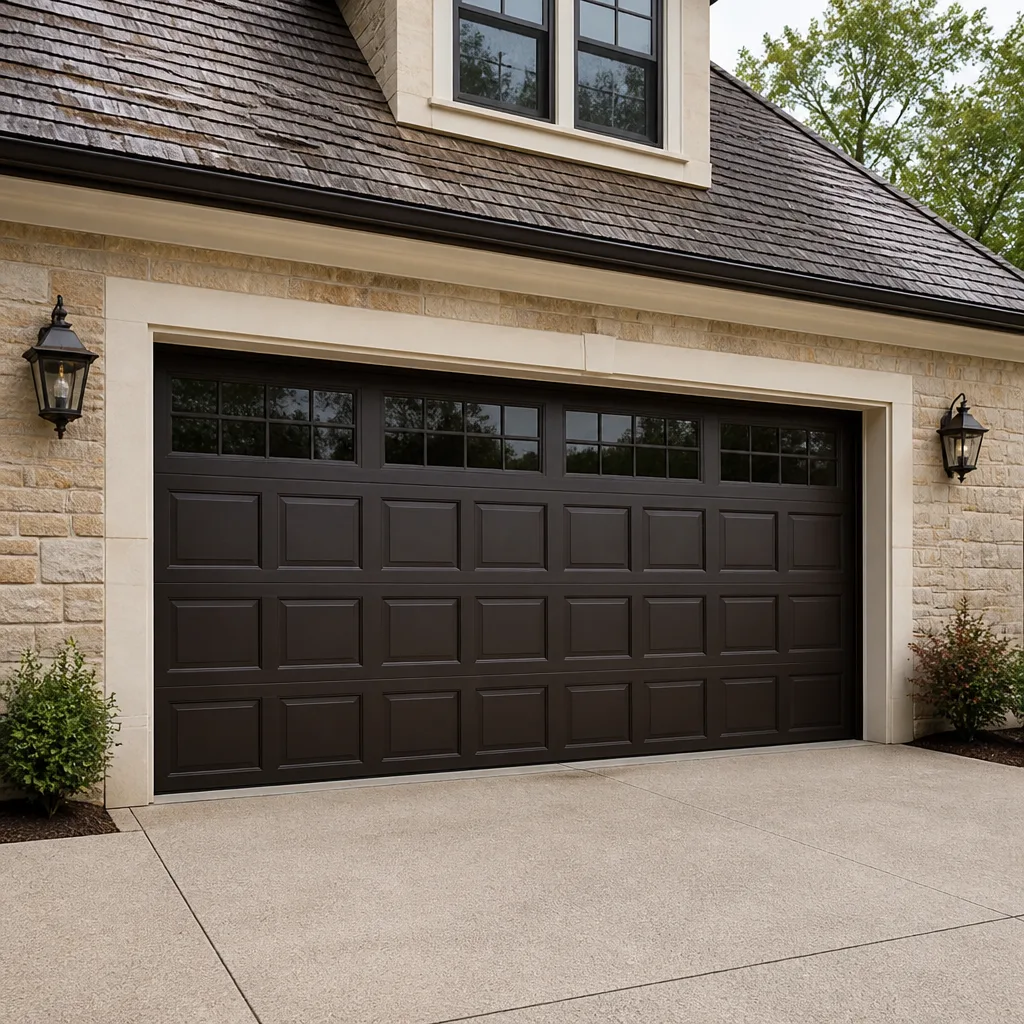 Impact garage doors
 PGT
 CGI
Free in-home measure and quote - PGT, CGI and CWS impact lines compared on your actual openings, style by style
Get your free estimateWindows & Doors Warning Signs: A Sunrise Manor Homeowner’s Reference Guide
A window frame that feels slightly soft or chalky to the touch isn’t just cosmetic. Chalking is what advanced UV degradation looks like on the surface, and by the time a frame feels that way, the sun has usually been working on the sill and the seal behind the drywall for a while. Most warning-sign lists stop at cracked glass and stuck sashes, which are the failures you can’t miss. This guide covers the quiet ones instead: the desert-specific symptoms that show up slowly in Sunrise Manor homes and get written off as normal wear until the repair gets expensive. You’ll learn how to test an insulated glass unit before it fogs, read a west-facing door for warping, and use your summer power bill as a diagnostic tool.
Quick Answer
The most overlooked window and door warning signs in Sunrise Manor are not broken glass or sticking tracks. They’re chalky or soft frames on south- and west-facing walls, a temperature difference you can feel across a sealed window before any fogging appears, a door slab that drags only in certain months, white mineral scaling around weep holes, and June or July power bills that jump without a change in how you run the house. Any one of those is a reason to have the opening inspected; two or more together usually point to a failing unit rather than a cosmetic issue.
Styles & brands we work with
- Single hung
- Double hung
- Horizontal roller
- Casement
- Bay & bow
- Sliding glass doors
- Entry doors
- Impact garage doors
- PGT
- CGI
Table of Contents
- Chalking vs. Normal Weathering: The UV Difference
- How to Test for Seal Failure Before the Fogging Shows
- Door Slab Warping on West-Facing Entries
- Hard-Water Scaling Around the Window Perimeter
- Reading Your June and July Power Bill as a Diagnostic
- Thermal Cycling and the Seams It Opens
- Glass, Locks, and Hardware Failures People Skip
- Common Mistakes to Avoid
- When to Call a Professional
- Frequently Asked Questions
Chalking vs. Normal Weathering: The UV Difference
Chalking on a vinyl frame is normal up to a point. Vinyl that faces direct sun will develop a fine, powdery film over the years, and wiping it away with a cloth doesn’t mean anything is wrong. What separates normal weathering from UV-induced structural degradation is depth and location. A frame that powders evenly all over and still feels hard when you press a thumbnail into it is aging normally. A frame that powders heavily on one elevation only, feels soft or slightly rubbery near the sill, or leaves a white smear on your hand after a light touch has lost surface integrity, not just finish.
Sunrise Manor sits in a stretch of the valley where west- and south-facing walls take an enormous share of direct afternoon sun, and that exposure is uneven. A frame on the shaded side of the same house may look new while the sun side is already failing. In our experience, the south and west elevations are almost always the first to show it. Press a thumbnail into the frame near the bottom corners, where water sits longest. If it leaves a mark you can feel, that material has softened.
Why it matters: the frame is the structure that holds the glass, the seal, and the weather barrier together. Once it goes soft, the sill can absorb moisture that migrates behind the drywall, and that damage is invisible until it’s expensive. Chalking is the early warning. Softness is the alarm.
- Normal weathering: even powdering, hard surface under the film, no change in shape or fit.
- UV degradation: powder concentrated on one elevation, softness at the sill or corners, hairline cracks in the vinyl, visible chalking under the frame lip.
How to Test for Seal Failure Before the Fogging Shows
Most homeowners first notice a failed window seal when the glass starts to look hazy or milky. By then the insulated glass unit has been losing its dry gas fill for a while. You can catch it earlier with a temperature test you can do yourself at home, on a hot afternoon, with your palm.
- On a sunny day, stand inside and place your palm flat against the center of the glass, then toward the edge near the frame.
- Notice whether the two spots feel noticeably different. Some difference is normal near a warm frame; a large, sudden jump toward the edge is the sign to look at more closely.
- Compare a window on the same wall that you believe is healthy. The two should feel roughly similar in their gradient. One window feeling much warmer at the edge than its neighbors is the outlier.
- Run a finger around the inside perimeter seam. A healthy unit looks evenly sealed; a failing one may show a patch of condensation or a faint haze line long before full fogging.
- Repeat in the cool of the morning. Fogging between the panes that appears only in the cool part of the day and clears in the afternoon is a classic early failure pattern.
The dry desert air in Sunrise Manor means fogging between panes sometimes takes longer to appear than it would in a humid climate, which is exactly why the feel test catches it earlier than the eye does. A failed seal isn’t a safety issue, but the glass loses its insulating value, and the dashboard of a hot car teaches the same lesson as a room that no longer holds its cool.
Door Slab Warping on West-Facing Entries
A west-facing entry door takes the sun load every afternoon, and that daily cycle is what warps a slab over time. Fiberglass and composite slabs resist it better than wood, but no slab is immune to an entry that gets direct sun with no shade or overhang. The early signs are subtle and often blamed on the season:
- The door drags against the threshold, but only in the afternoon or only in certain months.
- The gap around the slab changes. Run your hand along the side and top gaps: the clearance should be even all the way around, and it should stay even.
- The deadbolt or latch needs a nudge to catch. That usually means the frame or strike has moved slightly, which warping will do.
- The slab visibly bows when you sight down the edge, or daylight shows through a corner that used to seal.
- Weatherstripping compresses unevenly at the top or bottom of the slab.
If the door only drags in the hottest weeks of the year, that’s the desert at work. If the drag persists through the milder months or gets worse year over year, the slab has taken a permanent set. Entry doors from Therma-Tru are built to hold their shape through this kind of thermal movement, but even a good slab needs a properly installed frame and a correct threshold behind it. That’s the part that fails first.
Hard-Water Scaling Around the Window Perimeter
White mineral crusting around a window looks like a cleaning problem. It’s usually a drainage warning. Sunrise Manor water carries dissolved minerals, and when that water runs down a window, those minerals stay behind when the water evaporates. A thin scale all over the glass is a wash-day issue. Scale concentrated in a ring around the frame perimeter, the sill, and the weep holes is telling you where water is pooling rather than draining.
Why the ring location matters
Weep holes are the small openings at the bottom of a window frame that let water out. When they’re blocked by scale, debris, or paint, water sits in the sill channel. The frame absorbs it, finishes blister, and eventually the corner seam opens. That is the start of frame rot, and by the time you see the paint lifting, the water has been finding its way inside for a while.
Check the ring pattern rather than the total amount. Scale that forms a band at the sill and around the weep holes, or that returns within a few weeks of cleaning, means drainage is compromised. Scale scattered evenly across the glass is cosmetic. In Sunrise Manor, where windows are washed more often in the dusty months, that ring rebuilding isn’t a coincidence. It’s a flow test.
Reading Your June and July Power Bill as a Diagnostic
A jump in your summer power bill doesn’t by itself mean your windows and doors are failing. It might be a hotter month, a change in how long the air runs, or an aging cooling system. But a bill that climbs in June and July without any change in thermostat habits is worth reading as a diagnostic signal, and the trick is isolating the source. Here’s how to do it before you call anyone.
- Compare the same months year over year rather than one month to the next. Desert summers aren’t evenly hot.
- Confirm your thermostat schedule and the rough age of your cooling system first; if either has changed, rule those out.
- Walk the house on a hot afternoon and feel along each window and door for air movement. A draft on a closed window or door is a leak.
- Check the door sweep at the bottom of each exterior door. A leaf or a slip of paper that moves when the door is closed and the air is running is telling you the sweep has failed.
- Look at the wall under each window for stains, lifting paint, or curling trim; water and a leak usually leave a mark together.
- Notice which rooms run warmer than the rest. If one or two rooms on the same wall are consistently the hottest, that wall’s openings are the likely source.
By the time you’ve done that walkthrough, you’ll usually know whether the bill is about the building envelope or something else. That answer is what you take to a professional, and it saves everyone a lot of guessing.
Thermal Cycling and the Seams It Opens
Desert building materials expand in the afternoon and contract overnight, every day, all year. That’s thermal cycling, and a Sunrise Manor window or door goes through a wider swing in a single day than the same product would go through in a week in many other climates. Products are engineered for it; installation is what has to respect it. The failures we see most often are at the seams and interfaces, not in the materials themselves.
- Caulk lines: hairline cracks at the outer edge of the window where the frame meets stucco or siding, especially on sun-facing walls.
- Corner welds: on vinyl frames, a faint white line at the welded corner that widens over time.
- Interior trim: gaps opening at the top or bottom of the casing, or trim pulling away from the wall on the sun side of the house.
- Sealant at the sill: the exterior sill seal cracking and lifting, which is where water gets behind the frame.
- Door thresholds: the sweep and sealant at the bottom of exterior doors taking the most movement because they sit closest to the hot slab.
A single hairline crack in caulk is a maintenance item. Cracks that open repeatedly within the same year, on the same elevation, mean the opening is moving more than it should, and that’s an installation question. Brands like PGT and CGI build impact-rated windows designed for performance under extreme weather, but a good unit installed with the wrong clearances will still move and crack at the seams. This is one reason we treat window installation as its own specialty, separate from replacement: on a new opening, the clearances and sealants are chosen for the specific exposure, not inherited from the old unit.
Glass, Locks, and Hardware Failures People Skip
The hardware failures don’t look dramatic, so homeowners often live with them for years. They’re still the early signs that the unit is past its useful life or was never set right. Watch for:
- Chipped or hazed glass edges: a small chip at the edge of an insulated unit can lead to failure, and in a windborne-debris environment in Sunrise Manor, edge damage is worth taking seriously.
- Locks that don’t seat: a sash lock that needs force to close, or a deadbolt that needs the handle lifted to engage, means the sash or slab is out of alignment.
- Tracks that get harder to clean: a sliding door or window that collects grit in the same spot each season and starts to drag.
- Loose or bowed screens: screens that have stretched out of shape let more debris into the frame channel.
- Rollers and hinges: a slider that takes a shoulder to move, or a door that swings on its own, is usually a worn roller or hinge rather than anything in the frame.
For a slider or a hinged exterior door specifically, worn hardware is often the difference between a door that lasts and one that warps under the repeated strain. On the entry-door side, a Therma-Tru fiberglass or steel slab handles structural movement far better than wood, but only if the hinges, strike, and threshold are set correctly at installation. If you’re weighing a repair against a replacement, our window replacement pages lay out how that decision works for a specific opening.
Common Mistakes to Avoid
- Treating chalking as only cosmetic. Wiping away the powder is fine, but if the frame beneath is soft or one elevation is chalking while the others aren’t, you’re looking at UV damage, not a cleaning problem. The right call is to have the frame inspected before water gets behind it.
- Waiting for fogging before checking the seal. Fogging shows up late in a Sunrise Manor climate because the dry air soaks up the visible moisture. The feel test across the glass catches a failing seal months earlier, so run it before you assume a clear pane is a healthy one.
- Calling a warped door a “sticking door.” If the slab drags only in the hottest weeks, that’s thermal movement; if it drags all year, the slab has warped, and adjusting the hinge won’t fix a bowed slab.
- Scrubbing hard-water scale without checking the weep holes. Cleaning the glass won’t stop the scale from coming back if the ring pattern shows the weep holes are blocked. Scale that rebuilds within weeks is telling you about drainage, not cleanliness.
- Blaming a June bill on the air conditioner alone. Before you call a cooling specialist, walk the exterior doors and windows for drafts and check the sweeps. If the bill spike is concentrated in the sun-facing rooms, the openings are the more likely source.
- Letting one hairline caulk crack repeat every year. Caulk cracks open once and get repaired. Caulk cracks that reopen at the same seam, every year, on the same wall, are an installation or movement problem.
- Assuming a sun-facing window and a shaded one will age the same. They won’t. In Sunrise Manor, the same product on two elevations can fail years apart, so routine checks have to focus on the west- and south-facing walls, not the house as a whole.
When to Call a Professional
Call for a professional inspection when a frame feels soft near the sill, when any window on a sun-facing wall is chalking more heavily than its neighbors, when the interior fogging on a sealed unit has started to appear in the morning, or when a west-facing door has begun to drag outside the hottest months. Also call when hard-water scale returns to the same frame perimeter within a few weeks of cleaning, or when a summer bill spike lands in a room or two on the same wall. Any one of those is worth an inspection, and two together usually means the opening is the source, not the trim, the paint, or the air conditioner. Sunrise Manor Windows & Doors offers free estimates in Sunrise Manor, so the visit itself doesn’t cost you anything. Call (888) 335-0658. We answer 24/7. Fast dispatch from 7am to 7pm, Sunday through Friday. Our technicians have up to 8 years of experience with the products we install.
Frequently Asked Questions
Press a thumbnail into the frame near the sill. Normal weathering leaves the surface hard under a powdery film, while UV damage leaves it soft or slightly rubbery, and usually concentrated on the sun-facing elevations. If one side of the house is chalking heavily and the other is not, that’s the pattern to take seriously. Call (888) 335-0658 to schedule a free estimate; the inspection will tell you if the frame is still sound.
Yes, and in Sunrise Manor it usually has to be, because the dry air can keep the visible fogging from showing for a long time. Compare the inside glass near the edge of the frame with the center using the palm test on a hot afternoon, and compare a suspect window against a healthy one on the same wall. Fogging that appears only in the morning and clears later in the day is an early sign, not a late one.
Because it’s a west-facing door taking afternoon sun load, and the slab expands with the heat and contracts overnight. A door that drags only during the hottest weeks is experiencing thermal movement and may only need adjustment. A door that drags all year, or whose drag gets worse each season, has taken a permanent warp and needs a replacement slab.
Not always. A failed insulated glass unit can sometimes be replaced on its own if the frame and seal are still in good condition, and a full window replacement is only needed when the frame has lost its integrity. Chalking, softness, or a compromised sill usually points to the full replacement. The written estimate will tell you which applies.
Not the scattered film on the glass, which is cosmetic. It’s the ring pattern that matters: white scale concentrated at the sill and around the weep holes, or rebuilds within a few weeks of cleaning, means water isn’t draining away. That’s the stage before frame rot, and it’s the point to have the opening inspected rather than just cleaned again.
We install and replace windows and install doors throughout Sunrise Manor, and the estimate is free. Call (888) 335-0658 to book a visit. We answer 24/7, with fast dispatch from 7am to 7pm, Sunday through Friday.
The Bottom Line
The warning signs that cost Sunrise Manor homeowners the most are the ones that never look like a problem: chalk that’s more than cosmetic, a seal that’s failing before it fogs, a door that warps slowly enough to blame on the season, scale that keeps rebuilding, and a summer power bill read as a mystery rather than a clue. Treat the sun-facing wall as the high-attention side of the house, run the simple tests before assuming a window or door is healthy, and call an inspection once two or more signs line up. Sunrise Manor Windows & Doors carries eight brands, chosen for the climate and the job, so the recommendation comes from the product rather than a sales target. The team at Sunrise Manor Windows & Doors would be glad to look at it. Call (888) 335-0658 for a free estimate. Estimates are free, and the written quote sets the final price.
Written by the team at Sunrise Manor Windows & Doors.
See the difference
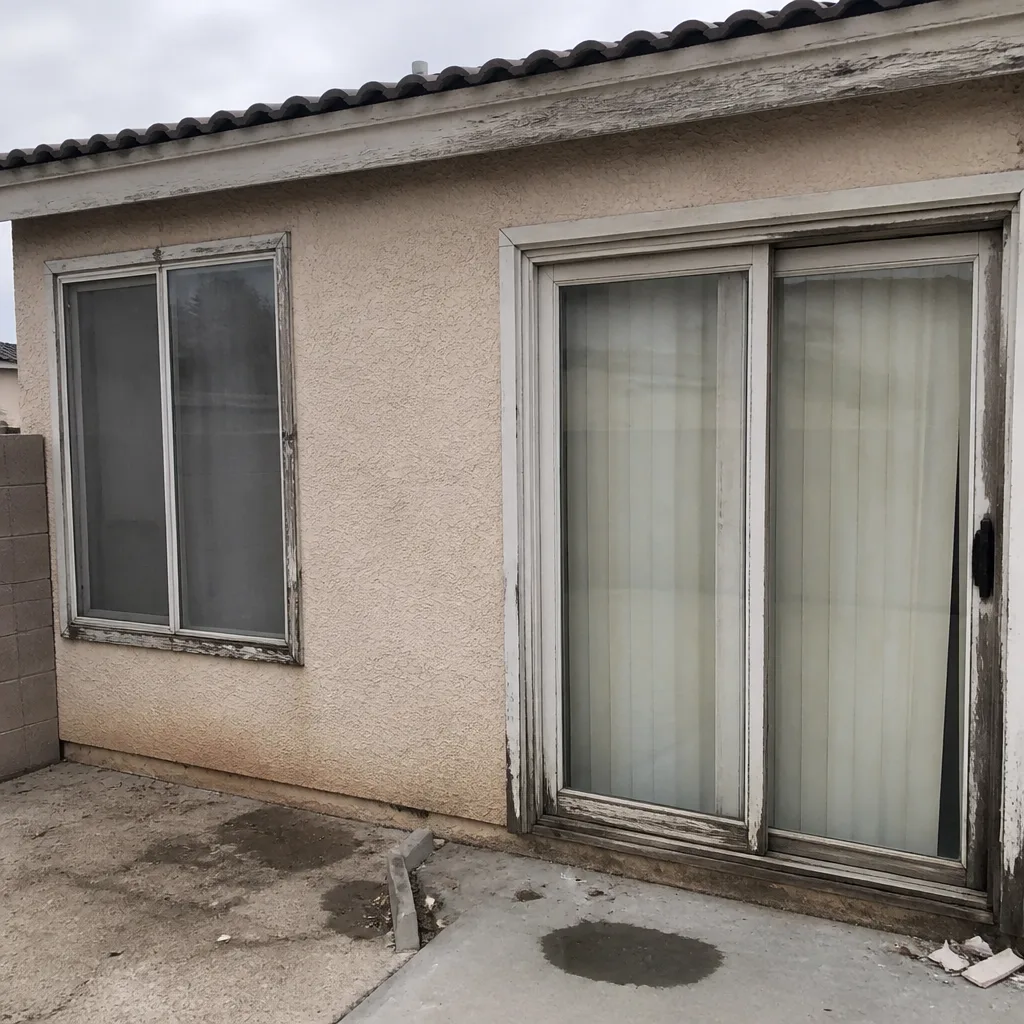 Before
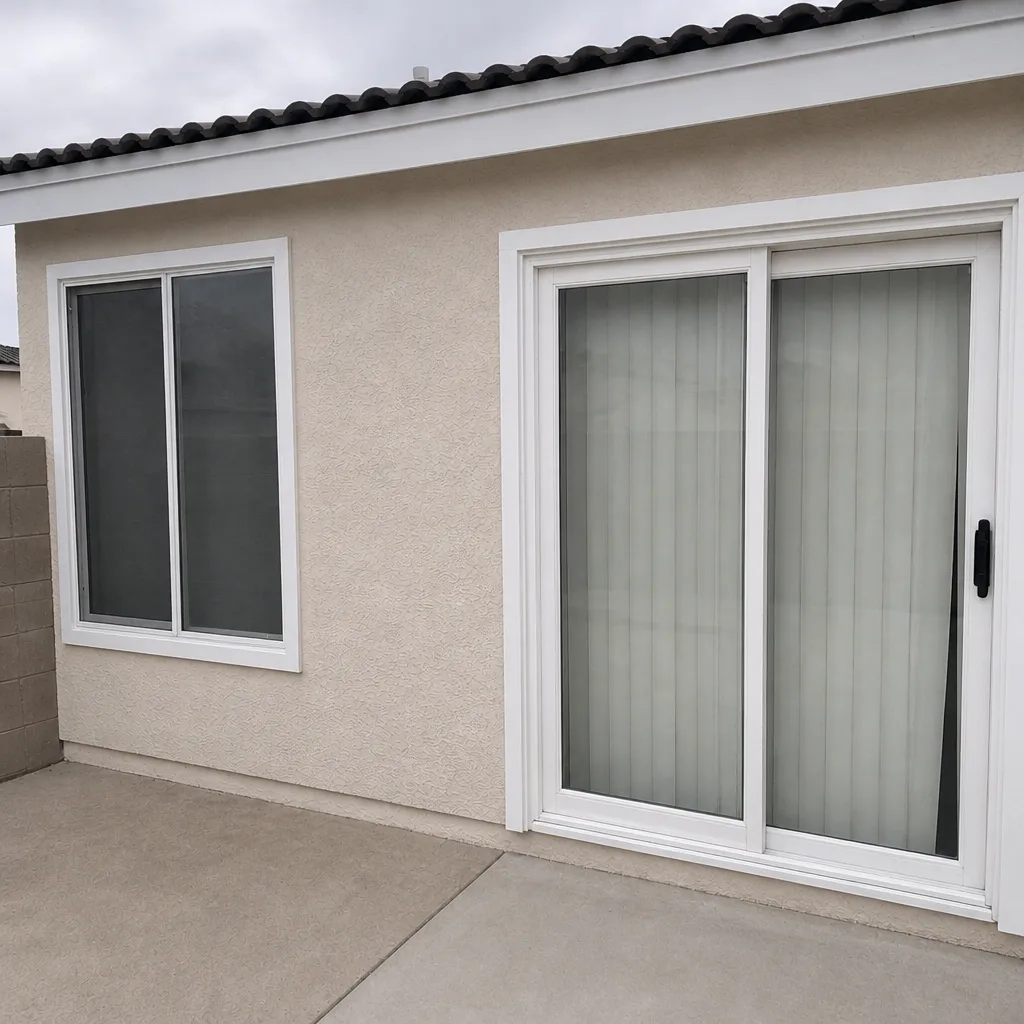 After
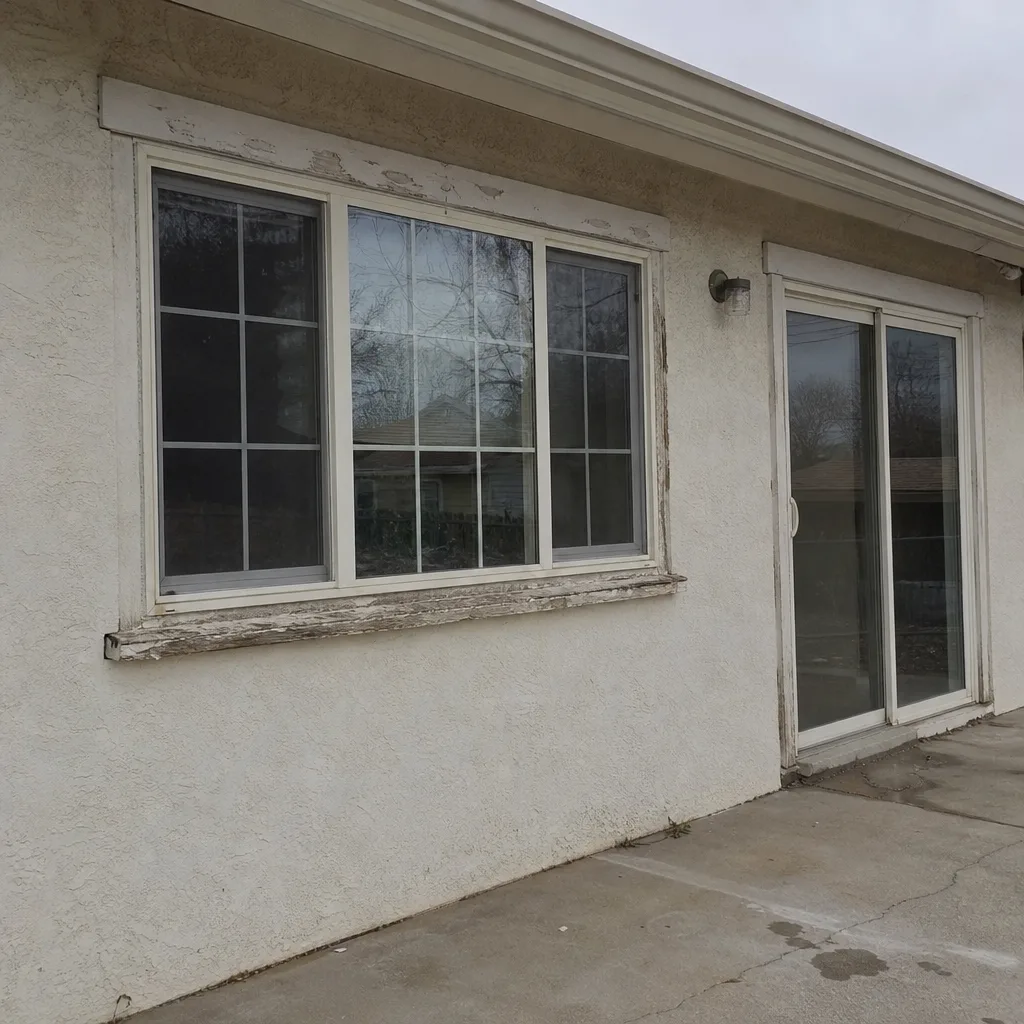 Before
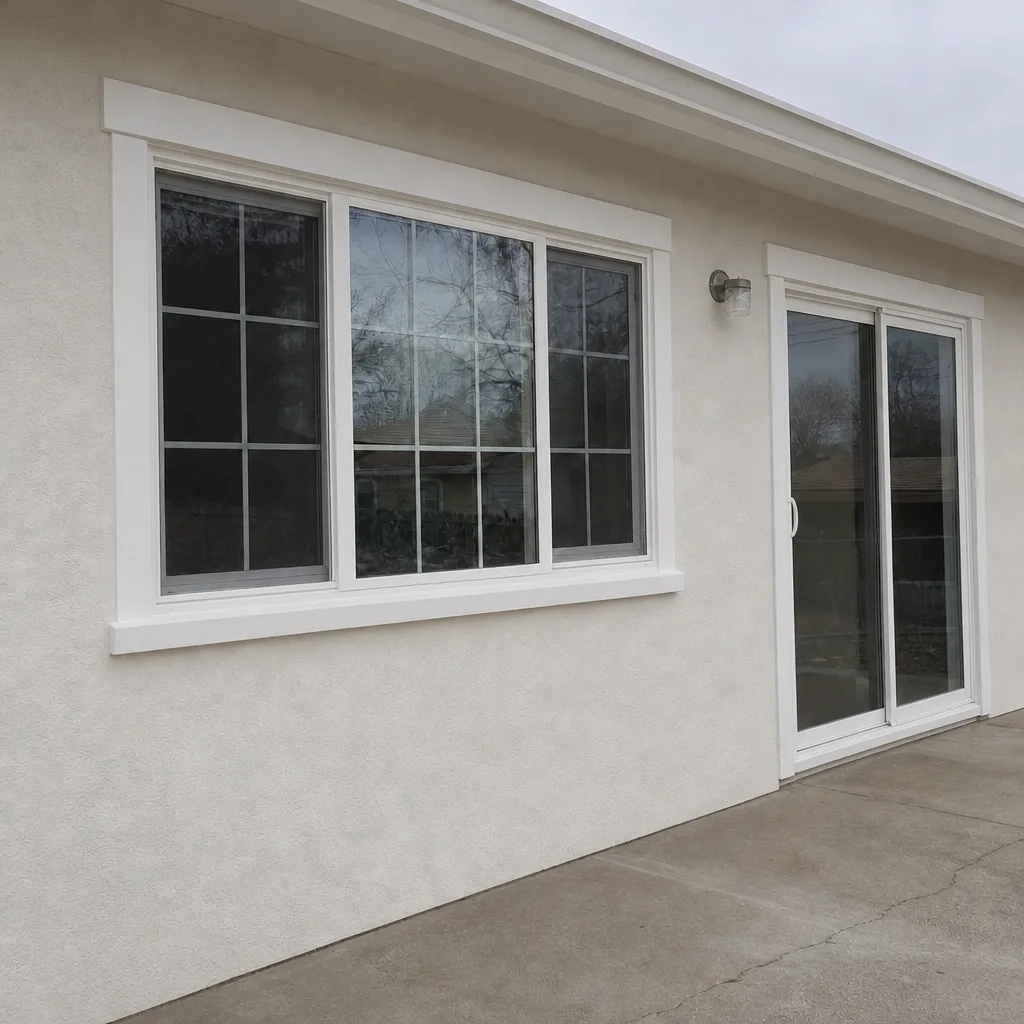 After
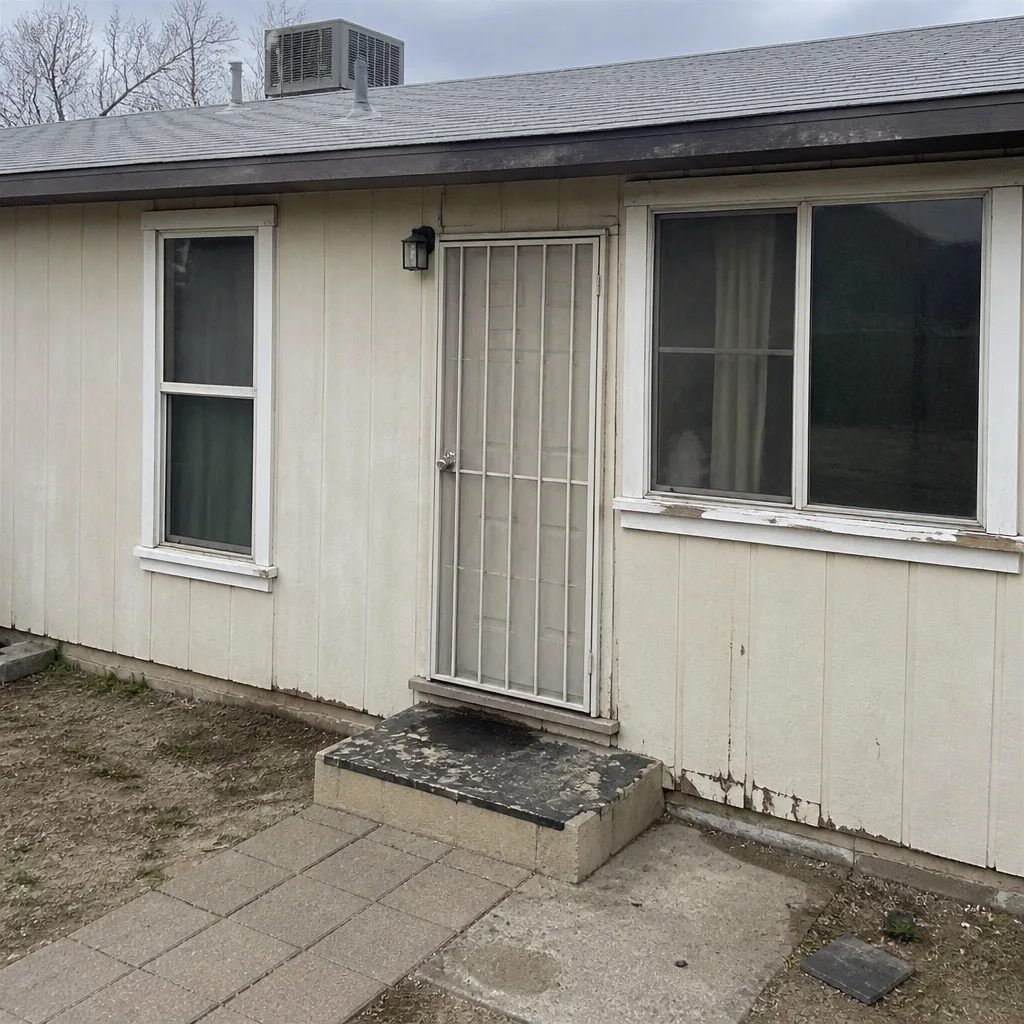 Before
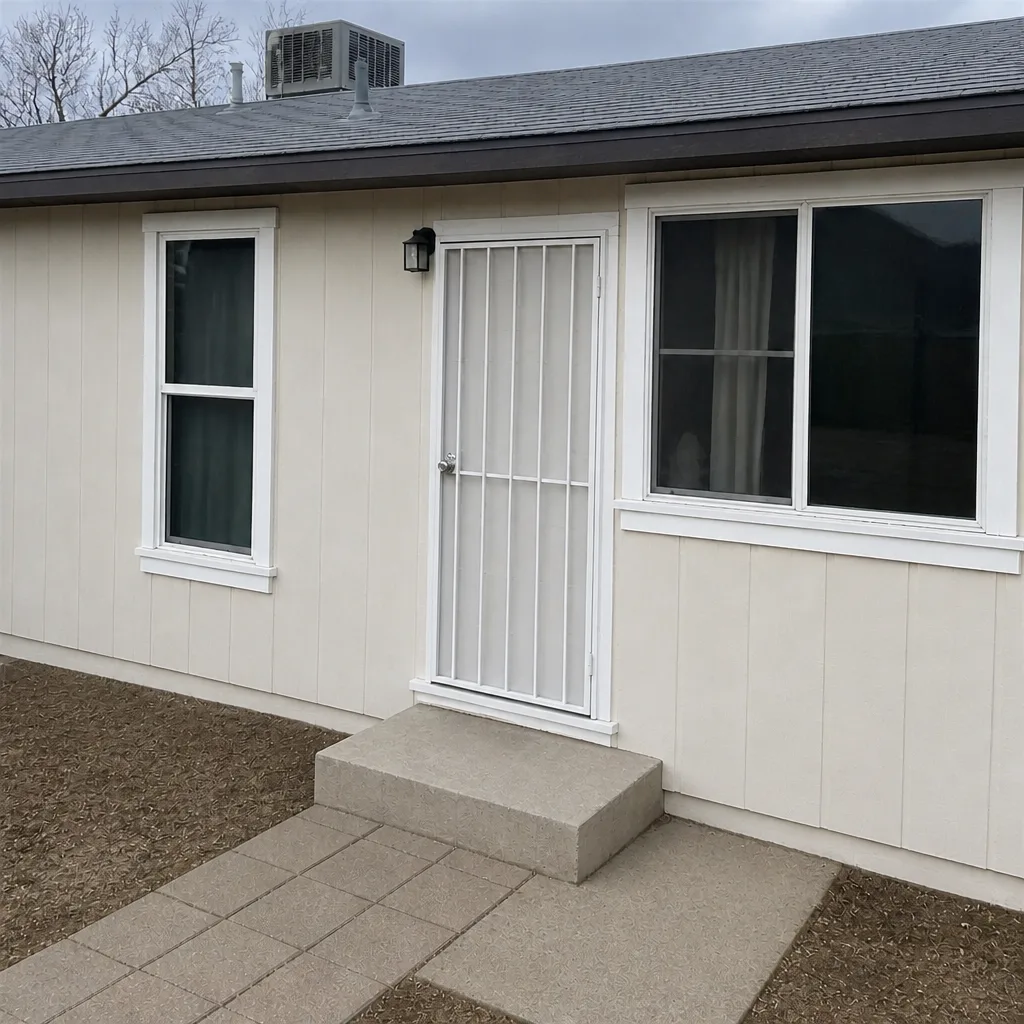 After