Last updated November 17, 2026
 Sliding glass doors
 Single hung
 Double hung
 Horizontal roller
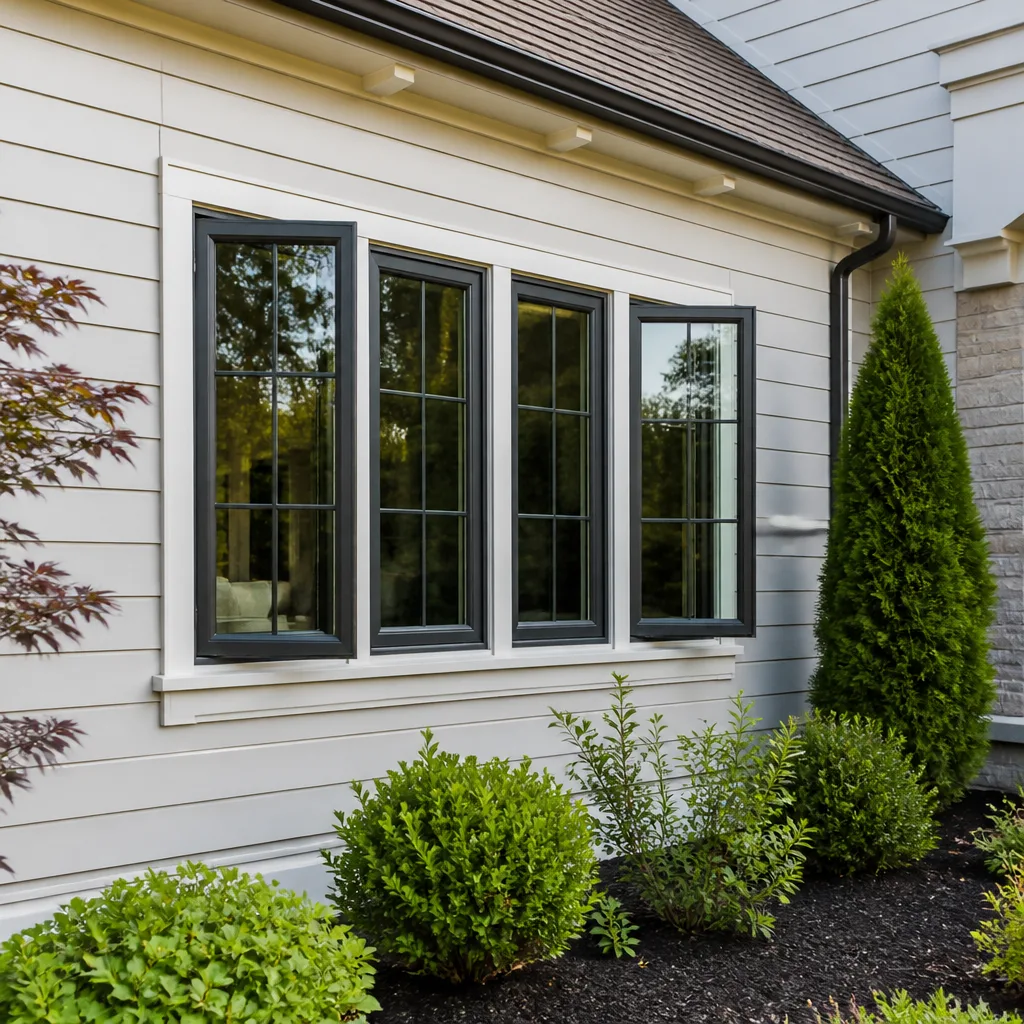 Casement
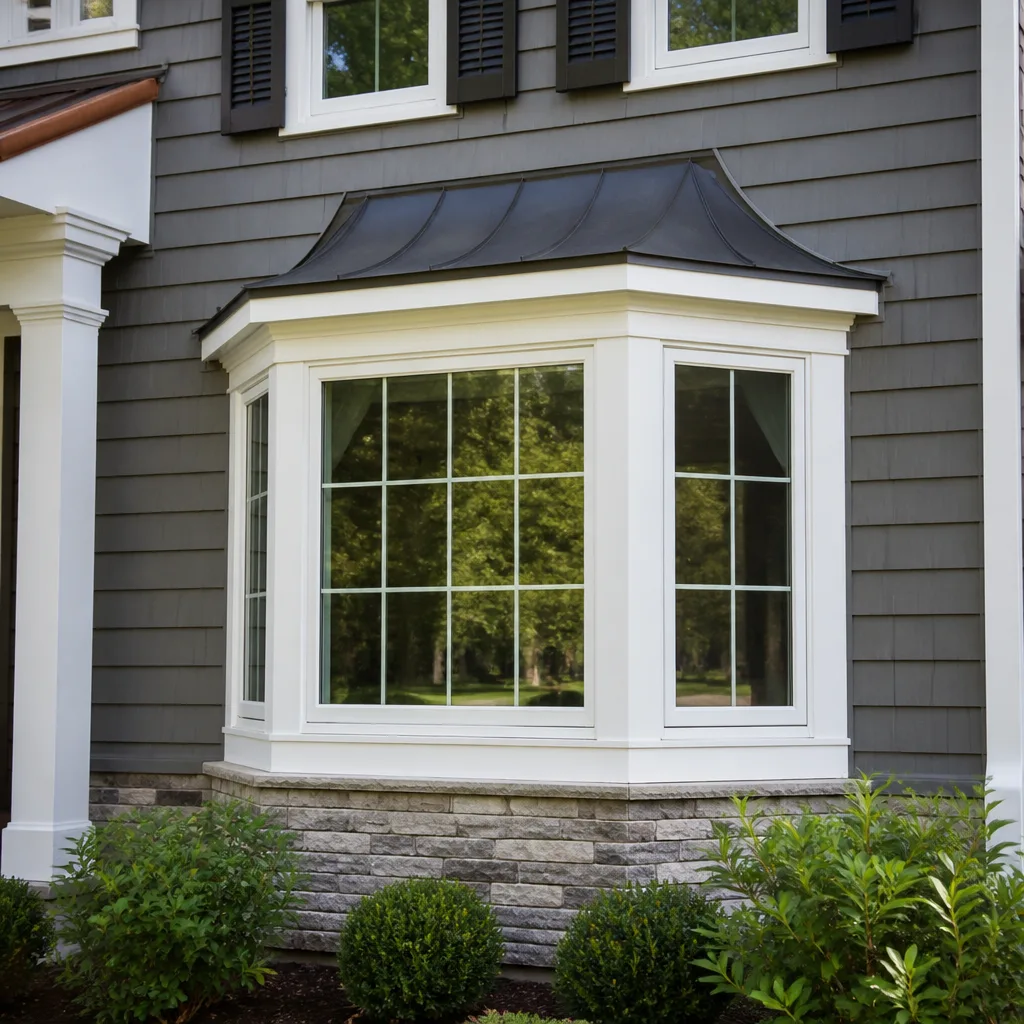 Bay & bow
 Entry doors
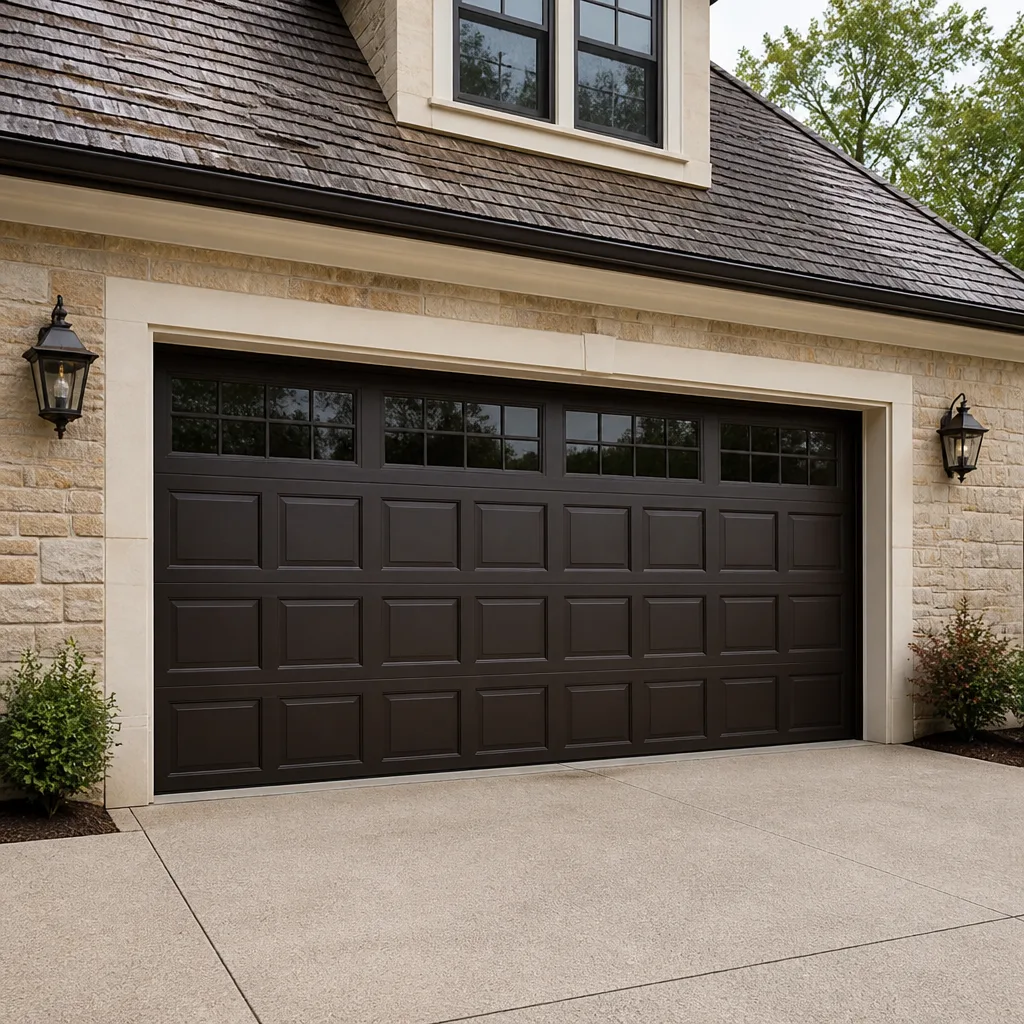 Impact garage doors
 PGT
 CGI
Free in-home measure and quote - PGT, CGI and CWS impact lines compared on your actual openings, style by style
Get your free estimateWindows & Doors Emergency Preparedness Guide for Sunrise Manor Homes
Most homeowners here picture a break-in or a stray baseball when they think about window and door damage. The real threat in Sunrise Manor looks different. It’s silt. During a haboob, fine desert dust pushes through weatherstripping gaps as small as 1/16 of an inch, and a home with aging door seals can take in enough infiltration in 20 minutes to clog HVAC filters, coat electronics, and dull interior finishes. Wind does the structural damage; dust does the slow damage nobody notices until the air conditioner starts struggling in July. This guide walks you through what actually threatens Sunrise Manor homes, how to inspect your openings before a forecast wind event, what to do in the first hour after one, and how to build the paper trail that makes an insurance claim go smoothly. No scare tactics. Just the sequence we’d follow ourselves.
Quick Answer
Window and door emergency preparedness in Sunrise Manor means preparing for three local events: haboob dust intrusion, sudden wind loading from storms crossing the valley off the Spring Mountains, and the extreme heat that stresses seals and glazing year-round. The core of it is a 15-minute pre-storm inspection of weatherstripping, thresholds, and hardware, knowing which products are rated for Clark County design wind speeds, and keeping a documented home file so an insurance claim after a wind event doesn’t stall. Preparation, not panic, is what protects the opening.
Styles & brands we work with
- Single hung
- Double hung
- Horizontal roller
- Casement
- Bay & bow
- Sliding glass doors
- Entry doors
- Impact garage doors
- PGT
- CGI
Table of Contents
- What Actually Threatens Sunrise Manor Windows and Doors
- The 15-Minute Pre-Storm Inspection Protocol
- Impact Ratings and Clark County Wind Speeds: What’s Rated for Here
- What to Do During a Haboob or High-Wind Event
- The First Hour After a Wind Event: Inspection Sequence
- Emergency Board-Up and Temporary Sealing in Desert Heat
- Insurance Documentation for Window and Door Damage
- When Preparation Turns Into Replacement
What Actually Threatens Sunrise Manor Windows and Doors
Sunrise Manor sits in the northeast Las Vegas Valley, and the weather that reaches it is a specific mix. Summer monsoon season brings haboobs, the dust walls that roll across the desert and push grit into every unsealed gap. Winter and spring bring the occasional high-wind event funneling through the valley from the Spring Mountains, and those gusts put real pressure on window frames, door slabs, and the hardware that holds them. Then there’s the constant: heat. Weeks above 110°F bake weatherstripping, dry out sealants, and expand and contract aluminum frames until gaskets that looked fine in March fail in August.
Neighborhoods on the valley’s eastern edge catch more of the wind than the sheltered pockets closer to the center. Homes in the older parts of Sunrise Manor, where original doors and single-pane windows may still be in place, are the most exposed. Seal failures show up there first.
What we see most often as a windows-and-doors specialist is that homeowners prepare for the wrong thing. They worry about a break-in and ignore a 1/16-inch gap under the door. They clean up the visible dust after a haboob and never check the HVAC filter or the weep holes in the window frames. The checklist that matters is short, and it’s about sealing and hardware:
- Weatherstripping continuity: any break in the seal around a door or operable window is a dust entry point.
- Door thresholds and sweeps: the bottom seal takes the most wear and is the first to fail.
- Window hardware and locks: a latch that doesn’t pull the sash tight lets wind rattle and flex the unit.
- Sealant at the frame-to-wall joint: hairline cracks open with heat cycling and let both water and dust in.
- Screen condition: torn screens admit debris that impacts glass directly during wind.
None of this requires special tools. It requires knowing what to look at before the forecast turns, which is where the next section comes in.
The 15-Minute Pre-Storm Inspection Protocol
When a haboob or high-wind advisory is issued for Clark County, you have time to run through the openings in your home before the dust arrives. Fifteen minutes of inspection prevents most of the cleanup. Here’s the sequence we recommend, and it works on any window or door regardless of brand.
- Walk each exterior door and check the perimeter seal. Run a hand along the weatherstripping inside the jamb. Any spot where you feel air movement or see daylight is a gap. Pay attention to the strike side, where the door meets the frame, because that’s the seal most homeowners never look at.
- Test the door sweep at the threshold. Close the door on a sheet of paper at several points along the bottom. If the paper slides out with no drag, the sweep is worn and dust will follow that same path in.
- Open and close every operable window. Listen for rattle and check that the lock pulls the sash snug against the frame. A window that doesn’t seal tight in calm weather will flex and leak air under wind load.
- Look at the sealant line where the frame meets the wall. Cracks and separations are common in Sunrise Manor because of the heat cycling between day and night, and they widen under wind pressure.
- Check screens for tears and loose splines. A loose screen in a haboob becomes a sail that transfers force to the glass.
- Clear the weep holes and tracks. Dust that built up after the last event stops drainage and turns a small water intrusion into a bigger one.
- Confirm your shutters, storm panels, or protective coverings are accessible and undamaged if you have them, and that you know how each attaches. Fumbling for hardware while the wind picks up is the wrong time to learn the system.
Anything you find on that walk is worth fixing before the event, not after. Gaps get worse under load. If you find failed weatherstripping, a worn sweep, or cracked sealant, that’s a quick repair. If you find that the seal failure is actually a symptom of a window that no longer closes true, that’s a larger conversation, and it’s the one window replacement exists to answer.
Impact Ratings and Clark County Wind Speeds: What’s Rated for Here
Impact ratings get discussed as if they’re a coastal hurricane feature, and that leads Sunrise Manor homeowners to assume they don’t need them. They’re not wrong that Clark County doesn’t see hurricane-driven debris fields. But impact-rated products are rated against wind-borne debris and pressure, and this valley does experience high-wind events with airborne material. The question isn’t “hurricane or not,” it’s “what is this unit rated for, and is that rating appropriate to local design wind speeds?”
Here’s how the ratings break down in practical terms:
- Impact-rated assemblies are tested against large and small missile impacts plus cyclic pressure loading. They’re the appropriate spec where debris-driven wind damage is a real risk and where the local code requires impact glazing.
- Energy-efficient assemblies focus on glazing performance, frame thermal breaks, and air infiltration. They don’t carry a debris-impact rating, but they do control dust intrusion and heat gain, which are the dominant local concerns.
- Standard assemblies meet baseline code but offer no debris-impact protection and lighter weathersealing.
Coastal hurricane zones require impact glazing because of sustained wind plus debris, and those specs are driven by that specific exposure. Inland Clark County design wind speed requirements are set by local code and enforced at permitting. That’s the standard your unit needs to meet here; it is not automatically the same as a Florida or Gulf Coast product, and it isn’t automatically lower either. The honest answer is that it depends on the specific property, the exposure, and the code path in effect for the project.
What we tell homeowners is to match the product to the exposure rather than buy whatever the installer happens to stock. Impact-rated lines from PGT, CGI, and CWS exist for the performance-first buyer. Energy-focused lines like ECO Window Systems and ES Windows target the heat and infiltration side. A product rated for a coastal hurricane zone isn’t automatically the right choice for a Sunrise Manor home, and a product that ignores wind entirely isn’t either. The right window for your home, not the easiest one for us to sell, is the standard we work to. If you’re unsure which category your opening needs, that’s the conversation window installation starts with.
What to Do During a Haboob or High-Wind Event
Once a haboob is on the valley floor, the priority shifts from preparation to minimizing exposure. Haboobs arrive with a dust wall you can see coming, which gives you a short window. High-wind events off the mountains can arrive faster. Either way, the moves are simple.
- Close and latch every window, including the ones that are “usually open.” A latched unit seals better than a closed one because the hardware pulls the sash against the weatherstrip.
- Close interior doors to rooms with exterior glazing. If a window fails, containing dust and debris to one room limits damage to the rest of the house.
- Move cars and loose objects away from the side of the house facing the wind. Anything that can become airborne near a window is a debris risk.
- Set the HVAC to recirculate or turn it off. Pulling outside air during a haboob loads the filter and sends dust through the system.
- Stay away from exterior glass on the windward side. If a unit is going to fail, it fails under load. Don’t stand near it to watch.
The instinct to “crack a window to equalize pressure” is wrong and worth naming. It lets dust in and doesn’t protect the glass. Leave the units closed. If a window does break during the event, don’t improvise a board-up in blowing dust and heat. Get the room isolated, then deal with the opening after the wind drops. That’s the safer call, and the temporary sealing steps below work better on a calm surface anyway.
A note on timing: the phone line here is answered 24/7. Fast dispatch runs from 7am to 7pm, Sunday through Friday. A call that comes in outside dispatch hours gets booked into the next opening, so the earlier you call after an event, the sooner an inspection lands on the schedule.
The First Hour After a Wind Event: Inspection Sequence
The wind drops, the dust settles, and now the real work starts. What you do in the first hour determines whether a manageable problem stays manageable. The inspection sequence we use separates cosmetic dust from structural and seal damage, and it’s worth running in this order.
- Photograph the exterior before you clean anything. Every window and door, from several angles. Dust patterns and debris scatter are evidence, and once you wipe them away the record is gone.
- Check the interior for dust intrusion around each opening. A fine dust line along a jamb or threshold means the seal failed somewhere. That’s your first list of suspect units.
- Test each operable window and door for smooth operation. A unit that suddenly binds, sticks, or feels loose has likely shifted. That’s structural, not cosmetic, and it needs a professional look.
- Inspect glass for cracks and chips, including at the edges. Edge cracks are easy to miss and they propagate. A chip at the frame corner is a stress point that can fail later.
- Look at the frame-to-wall sealant again. Wind pressure opens cracks that looked closed the day before.
- Check the HVAC filter. If it’s loaded with dust, replace it, and note the date for your home file.
- Document everything with the date and a short written description. This is the record your insurer will ask for.
The distinction that matters most: cosmetic damage is dust, surface scuffs, and streaking that cleans off. Seal damage is a gap you can feel or a dust line you can trace. Structural damage is a unit that no longer operates as designed, which means the frame or the mounting has moved. Cosmetic you clean. Seal damage you repair. Structural damage you don’t touch, because the opening may no longer be weather-tight or safe, and the fix is an assessment before anything else.
Emergency Board-Up and Temporary Sealing in Desert Heat
Temporary protection in Sunrise Manor has to survive something coastal board-up advice ignores: the heat. Plywood held with tape or light adhesive can lift in the afternoon thermal expansion and let the whole board peel away by evening. Dust finds the gap. The temporary seal has to hold against heat, UV, and the next wind event, not just the current one.
What works for a compromised or broken unit until a permanent repair:
- Rigid panel over flexible sheeting. Exterior-grade plywood or OSB cut slightly larger than the opening, secured to the frame, outperforms taped plastic in heat and wind.
- Mechanical fasteners, not adhesive alone. Screws or clamps into the frame hold where tape fails in 110°F sun. Never fasten into the glass or the glazing bead.
- Seal the edges, not the center. Foam backer or exterior-rated sealant around the perimeter keeps dust and water out. Leave the panel itself intact and unpunctured.
- Don’t seal a unit that’s holding broken glass shards. Remove loose fragments safely first, or leave it to a professional. Broken glazing under pressure can shift.
- Label the panel with the date. Temporary means temporary. A board-up left in place through a monsoon season traps heat, blocks the opening’s function, and hides developing damage.
One safety caveat worth stating plainly: temporary sealing of a compromised opening, and any work involving broken glass or a shifted frame, is a job for someone trained to handle it. Glass under load, sharp fragments, and the heat of a desert afternoon combine into a genuine hazard. Our technicians have up to 8 years of experience with this work, and we’d rather assess a compromised opening than have a homeowner improvise. If a unit is broken or the frame has moved, call and get it looked at before the next wind event.
For windows that are compromised beyond temporary measures, permanent replacement is often the cleaner path, and the product decision matters here. This is where brand-agnostic recommendations earn their keep: an ES Windows or ECO Window Systems unit for heat and infiltration control, a PGT, CGI, or CWS impact-rated assembly if the exposure calls for debris protection. A Mr-Glass entry-door glazing option can restore a door opening’s seal and look at the same time.
Insurance Documentation for Window and Door Damage
Insurance claims for window and door damage live or die on documentation, and the documentation is built before the event, not after. Adjusters look for a specific set of things: evidence of the cause, a clear distinction between pre-existing wear and storm damage, and proof that the unit was properly installed and maintained. If any of those are missing, the claim gets complicated, and “complicated” often means a partial payout or a denial.
What to build into your home file before any event:
- Installation records for every window and door. Brand, model, and the date each was installed. If a contractor installed them, that paperwork belongs in the file. Installation records matter because an adjuster will ask whether the unit was installed to spec; without records, that question is hard to answer.
- Photographs of each opening in good condition, dated. A baseline photo proves the unit was intact before the event.
- A maintenance log. Weatherstripping replacements, sealant work, hardware repairs, and HVAC filter changes, with dates.
- Permit and inspection records if the installation required them. Most jurisdictions require a permit for window and door replacement, so keep the paperwork from the project.
- Post-event photos and notes, taken before cleanup, matching the pre-event photos angle for angle.
When an adjuster arrives, they’ll compare the two sets. A dust line that appears in the post-event photo and not the pre-event photo is evidence. A crack that was already there in the baseline photo is not. The difference between a smooth claim and a fight is usually whether the homeowner had a file. Build it now, while the windows are intact, and it takes an hour. Build it after a wind event and it takes a week of reconstruction.
Sunrise Manor homeowners should also know that we can work with your insurer on the documentation side, providing the installation and product records that support a claim. We don’t bill your insurance directly; that’s between you and your carrier, but we make sure the file is complete.
When Preparation Turns Into Replacement
Eventually, the pre-storm checklist stops being enough. There’s a point where the same opening shows up on the suspect list event after event, and repairing the seal on a unit that’s no longer rated for the exposure becomes a treadmill. The signals that it’s time to replace rather than repair:
- Repeated seal failure at the same opening. If weatherstripping or sealant on one unit keeps failing while others hold, the frame is likely out of true.
- Hardware that won’t hold the sash tight. A window that rattles under wind load is flexing, and flexing units leak.
- Visible frame movement or binding. Structural, and it won’t improve.
- Single-pane glass or assemblies from before current energy standards. Heat gain and dust intrusion both go up with age.
- Doors that no longer seal at the sweep no matter how the hardware is adjusted. The slab or the frame has moved past the adjustment range.
When the decision is replacement, the point of working with a specialist is that the product choice gets matched to the exposure rather than to inventory. Sunrise Manor Windows & Doors carries eight manufacturer lines spanning impact-rated, energy-efficient, and premium entry-door categories. That covers the performance-first buyer who needs PGT, CGI, or CWS impact resistance, and the design-forward buyer looking at a Therma-Tru fiberglass entry door. Both decisions get made on the same criteria: performance, budget, aesthetics, and how the opening is actually exposed to the valley’s wind and heat. Eight brands, one installer, zero guesswork.
Window replacement, window installation, and Sunrise Manor Windows & Doors door installation are handled by the same specialized team, so an exterior-opening project doesn’t get split across contractors. That matters after a wind event, when the priority is getting the opening sealed correctly the first time.
Common Mistakes to Avoid
- Cracking a window during a haboob to “equalize pressure.” It lets dust in and does nothing to protect the glass. Keep units closed and latched, and keep away from windward glass.
- Cleaning up before photographing. Wiping the dust line off a threshold erases the record of a failed seal, and that record is what supports an insurance claim after a wind event.
- Taping a board-up instead of fastening it. In Sunrise Manor’s summer heat, adhesive lifts and the panel peels away. Use mechanical fasteners into the frame and seal the perimeter.
- Ignoring the HVAC filter after a dust event. A filter loaded with silt from a haboob strains the system through the hottest weeks of the year. Check and replace it, and log the date.
- Treating a rattling window as cosmetic. Rattle under wind load means the unit is flexing and the seal is opening. That’s the failure that lets dust in and eventually the water.
- Buying a replacement based on what a single-brand dealer stocks. Match the product to the exposure. An impact-rated assembly and an energy-focused assembly solve different problems, and picking the wrong one leaves the opening under-protected.
- Waiting until after the event to build the home file. Baseline photos, installation records, and a maintenance log are far harder to reconstruct once the damage is done. Build the file while the openings are intact.
- Assuming impact-rated means hurricane-grade is required here. Clark County design wind speed requirements are set by local code. A coastal hurricane spec isn’t automatically the right answer for a Sunrise Manor home, and a standard unit isn’t either.
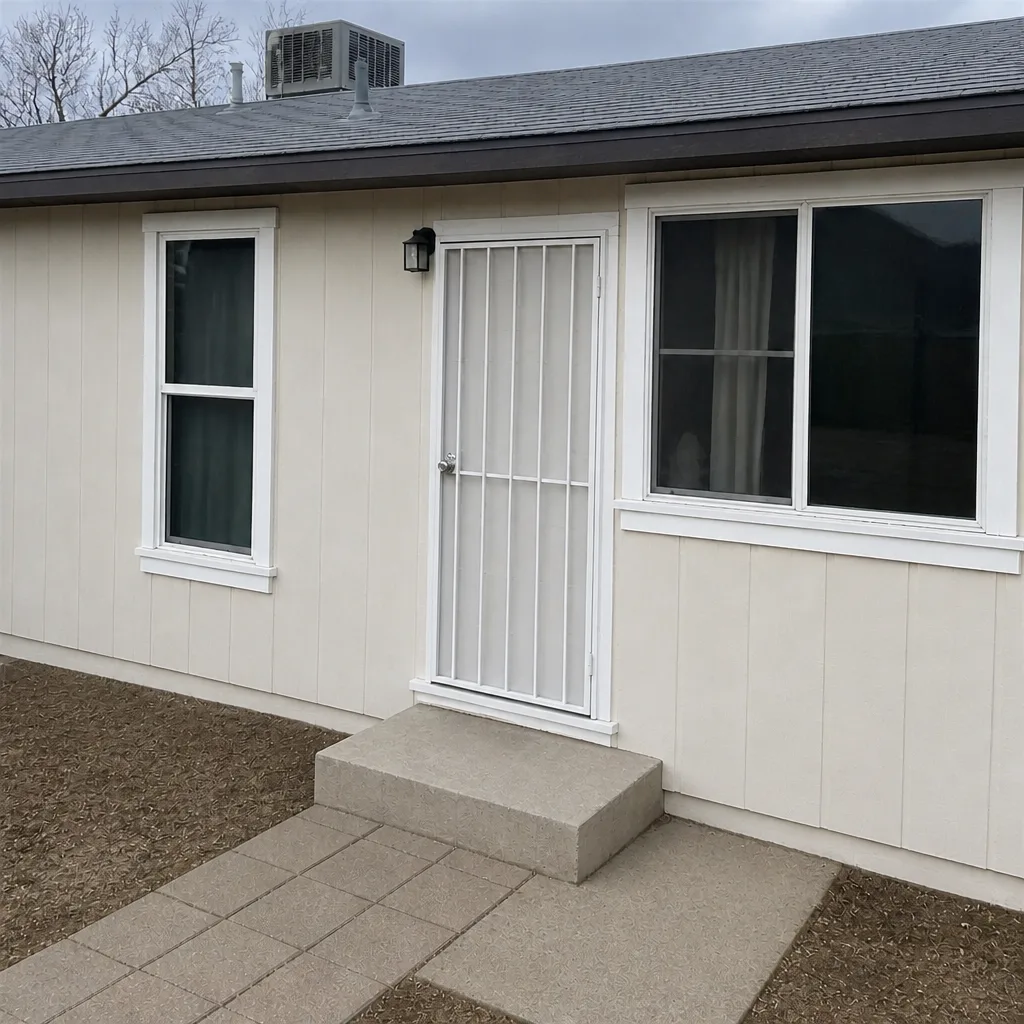
See the difference
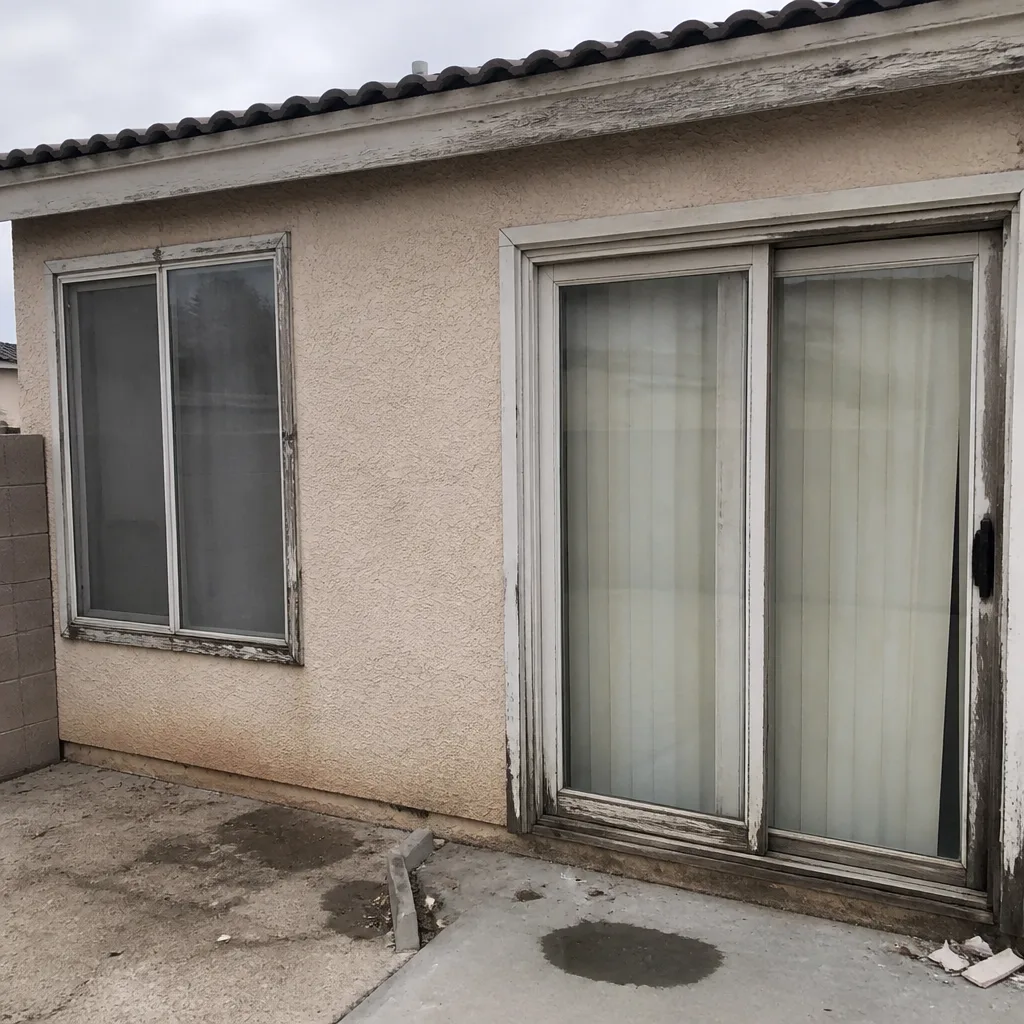 Before
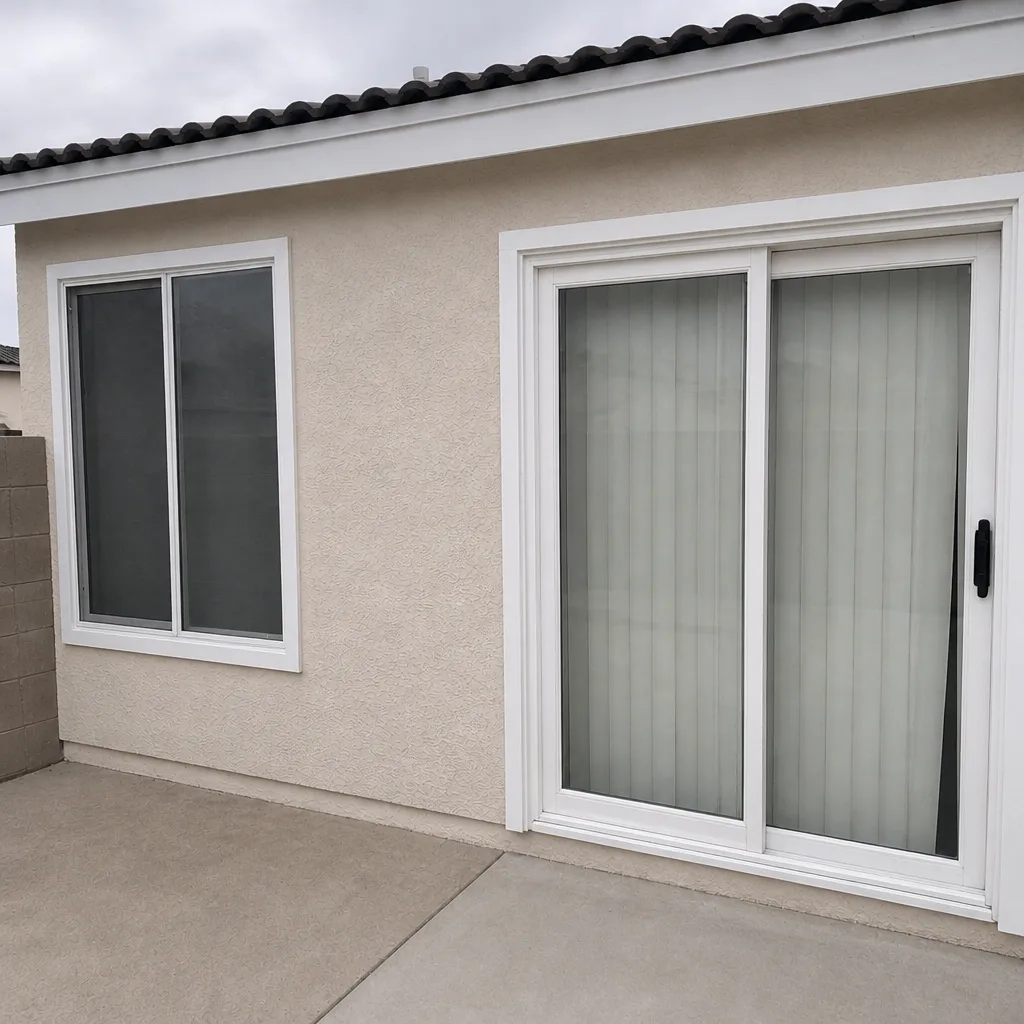 After
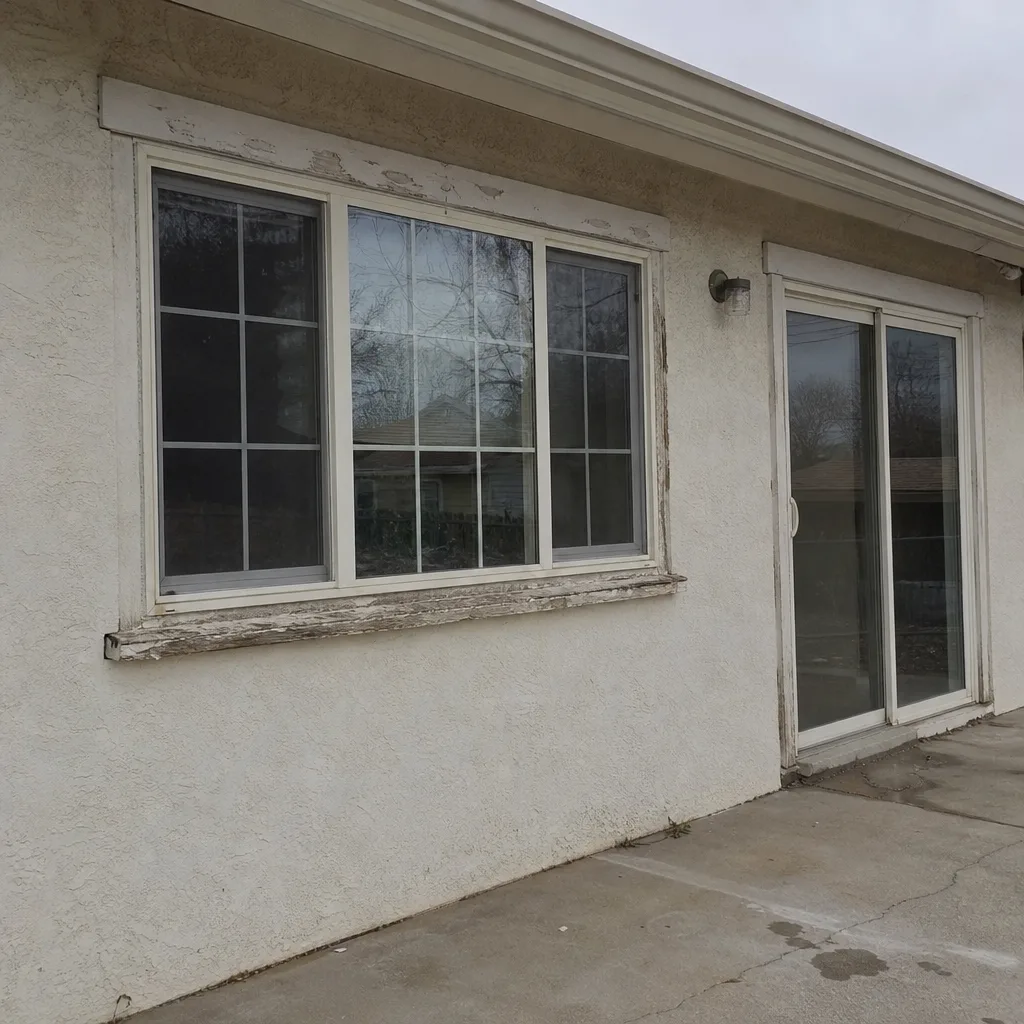 Before
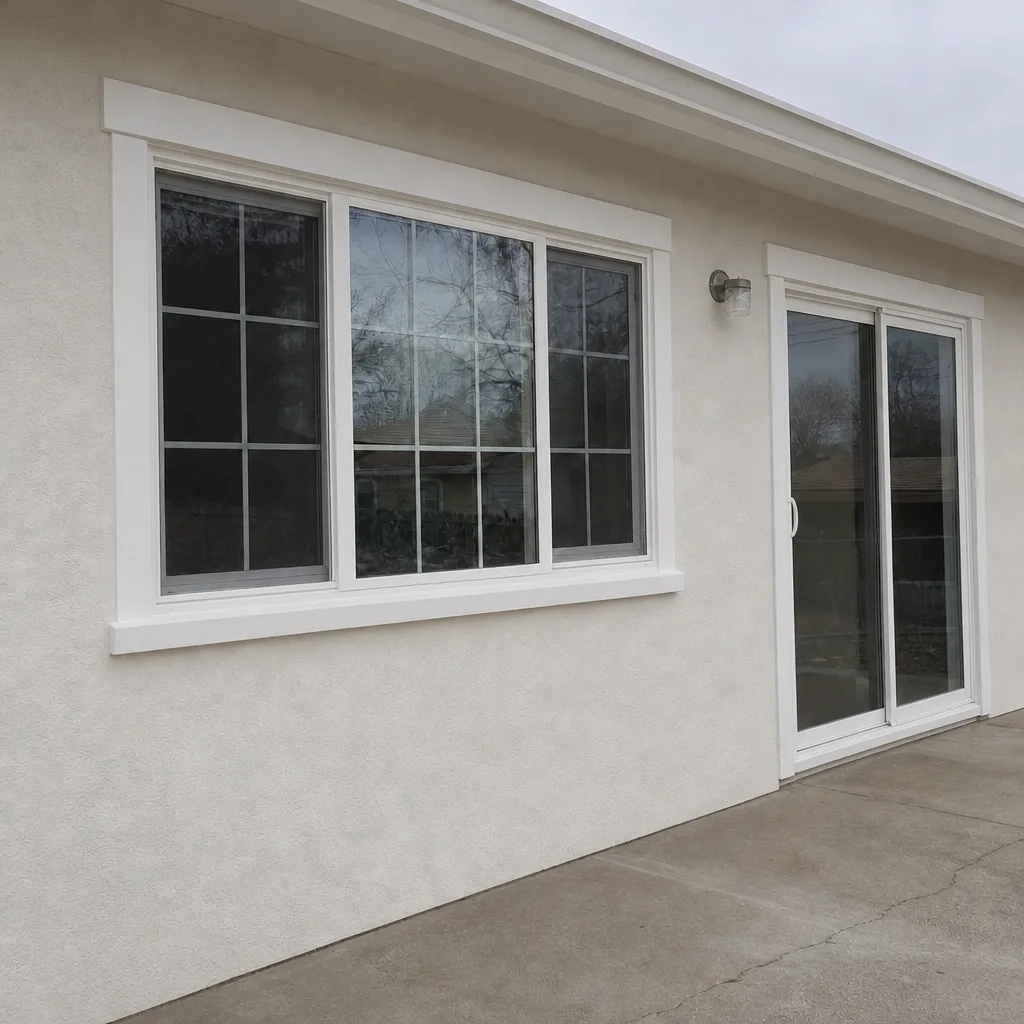 After
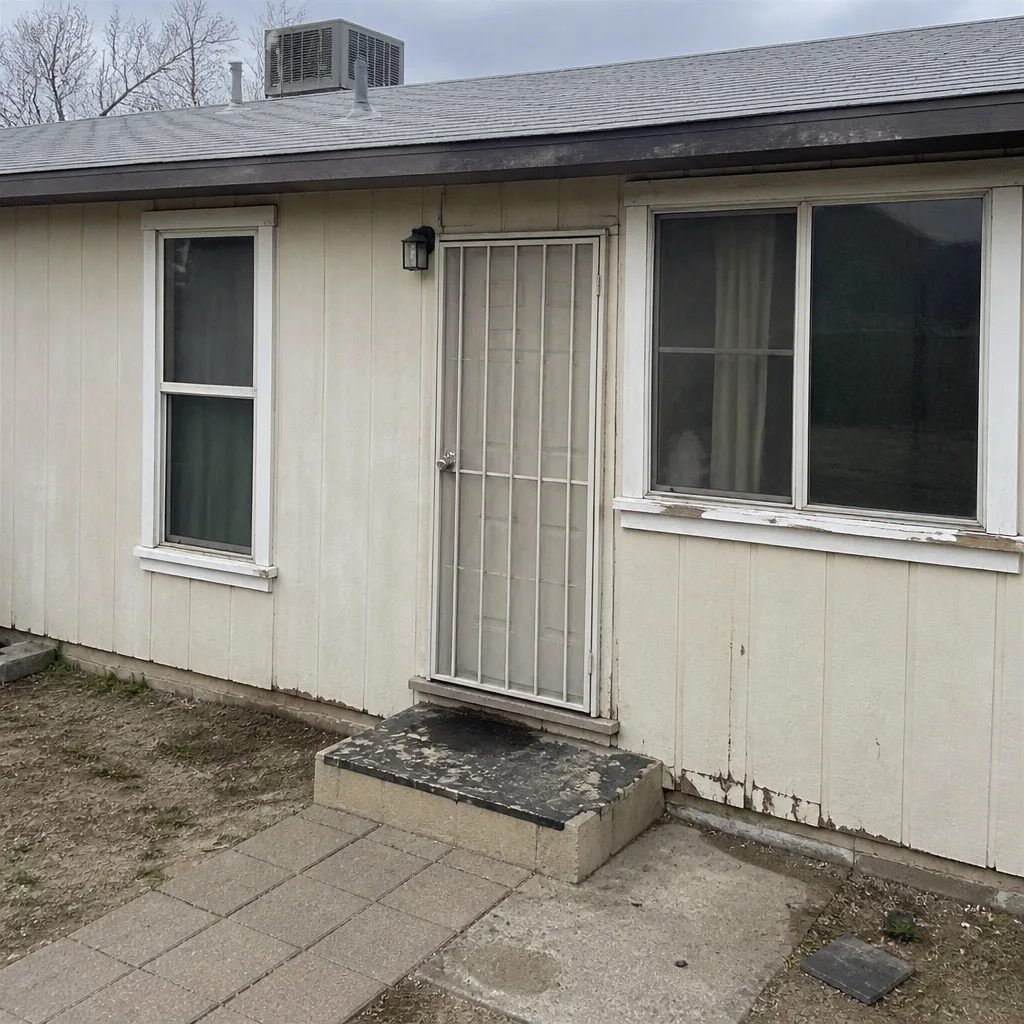 Before
 After
When to Call a Professional
Some of this guide is a homeowner checklist. Some of it isn’t. Call a professional when a window or door no longer operates as designed after a wind event, when a frame has shifted or a unit binds, when glass is broken or a unit is holding shards, or when the same opening keeps failing to seal despite repair attempts. Call when a haboob leaves dust lines around multiple openings at once, because that points to a systemic seal problem rather than one worn piece of weatherstripping. And call when you’re weighing repair against replacement, because that decision depends on the exposure and the product rating, not on guesswork.
Sunrise Manor Windows & Doors offers free estimates in Sunrise Manor. Every quote is a written line-item estimate, and the price is set per job by that estimate, so there are no change orders once work is agreed. If you’re documenting storm damage for an insurer, we can work with your carrier to supply the installation and product records the claim needs. Call (888) 335-0658 for a free estimate. We answer 24/7. Fast dispatch from 7am to 7pm, Sunday through Friday.
Frequently Asked Questions
Run a 15-minute inspection before the event: check weatherstripping continuity around each door, test the door sweep with the paper test, open and latch every operable window, inspect sealant at the frame-to-wall joint, and confirm screens are intact. Close and latch all windows when the dust wall approaches, set the HVAC to recirculate, and keep away from windward glass. Those steps prevent most of the dust infiltration a haboob can cause. If the inspection turns up seal failures, call (888) 335-0658 for a free estimate on the repair or replacement.
That depends on the property and the code path in effect for the project, so it’s a question for your local building department and your installer rather than a blanket yes or no. What we can say is that impact-rated assemblies protect against wind-borne debris and pressure, and this valley does experience high-wind events with airborne material. Impact-rated lines from PGT, CGI, and CWS are available where the exposure calls for them. For an assessment of your specific openings, call (888) 335-0658; estimates are free.
Impact-rated windows are tested against large and small missile impacts plus cyclic pressure loading, so they resist debris-driven wind damage. Energy-efficient windows focus on glazing performance, thermal breaks, and air infiltration, so they control heat gain and dust entry. In Sunrise Manor, both matter: heat and infiltration are constant, and wind events are seasonal. Products like ECO Window Systems and ES Windows target the energy side. Call (888) 335-0658 to talk through which is the better fit for your home.
Photograph the exterior and interior of every opening before you clean anything, note the date, and write a short description of what you see. Then compare those photos against a baseline set taken while the units were intact. Adjusters look for evidence of cause, a clear separation between pre-existing wear and storm damage, and proof the unit was installed to spec, which is why installation records matter. We can work with your insurer to supply those records. Call (888) 335-0658 for a free estimate on the repair.
Use an exterior-grade rigid panel cut slightly larger than the opening and secure it with mechanical fasteners into the frame, never into the glass or glazing bead, then seal the perimeter with foam backer or exterior-rated sealant. Adhesive tape alone lifts in 110°F heat and UV. Glass under load, broken shards, and a shifted frame are a genuine hazard, so if the unit is broken or the frame has moved, have a professional handle it. Call (888) 335-0658. We answer 24/7. Fast dispatch from 7am to 7pm, Sunday through Friday.
Replace rather than repair when the same opening keeps failing to seal, when hardware no longer holds the sash tight, when the frame has visibly moved or binds, or when the assembly is single-pane or predates current energy standards. Those are signs the unit is past the repair range, not just worn. A free written estimate is the cleanest way to compare the two paths. Call (888) 335-0658. Estimates are free and the written estimate sets the final price.
The Bottom Line
The emergencies that actually reach Sunrise Manor homes are haboobs, high-wind events off the Spring Mountains, and the relentless heat that ages every seal. Preparation comes down to four things: a 15-minute pre-storm inspection of weatherstripping, thresholds, and hardware; knowing which products are rated for local design wind speeds rather than borrowing a coastal spec; a first-hour inspection sequence after a wind event that separates cosmetic dust from structural and seal damage; and a home file built before the event, with installation records and baseline photos, so an insurance claim doesn’t stall. Repair what’s worn, replace what’s past repair, and document as you go. That’s the whole protocol.
When an opening needs more than a checklist can fix, we’re here for the assessment. Call (888) 335-0658. We answer 24/7. Fast dispatch from 7am to 7pm, Sunday through Friday. If you want to see what we cover across Sunrise Manor and the surrounding valley, the full range of window and door work is on the main site.
Written by the team at Sunrise Manor Windows & Doors.